
Best Cafes for Remote Work in St Julians and Sliema
A practical Malta-focused guide to the best cafes for remote work in St Julian's and Sliema, with tips on Wi‑Fi, power, etiquette …
A practical Malta-focused guide to the best cafes for remote work in St Julian's and Sliema, with tips on Wi‑Fi, power, etiquette and alternatives for freelancers and hybrid employees.
A quick coffee and a few good hours in the right café can be as productive as a morning in the office — if you pick the right spot and respect the staff.
Test cafés like you test interviews: try different times, ask about Wi‑Fi and sockets, and settle on two dependable options.
St Julian's (St Julians) and Sliema are two of Malta's busiest hubs for professionals and visitors — a mix of seafront cafés, offices, shared-service centres and tourism businesses. Many remote workers and freelancers choose these areas because they combine reliable hospitality offerings with good transport links to Valletta, Msida and the main business parks.
The local mix of iGaming firms, finance companies, hospitality employers and startups means you'll often find other professionals working from cafés during weekdays, which makes both towns useful for informal networking while staying productive.
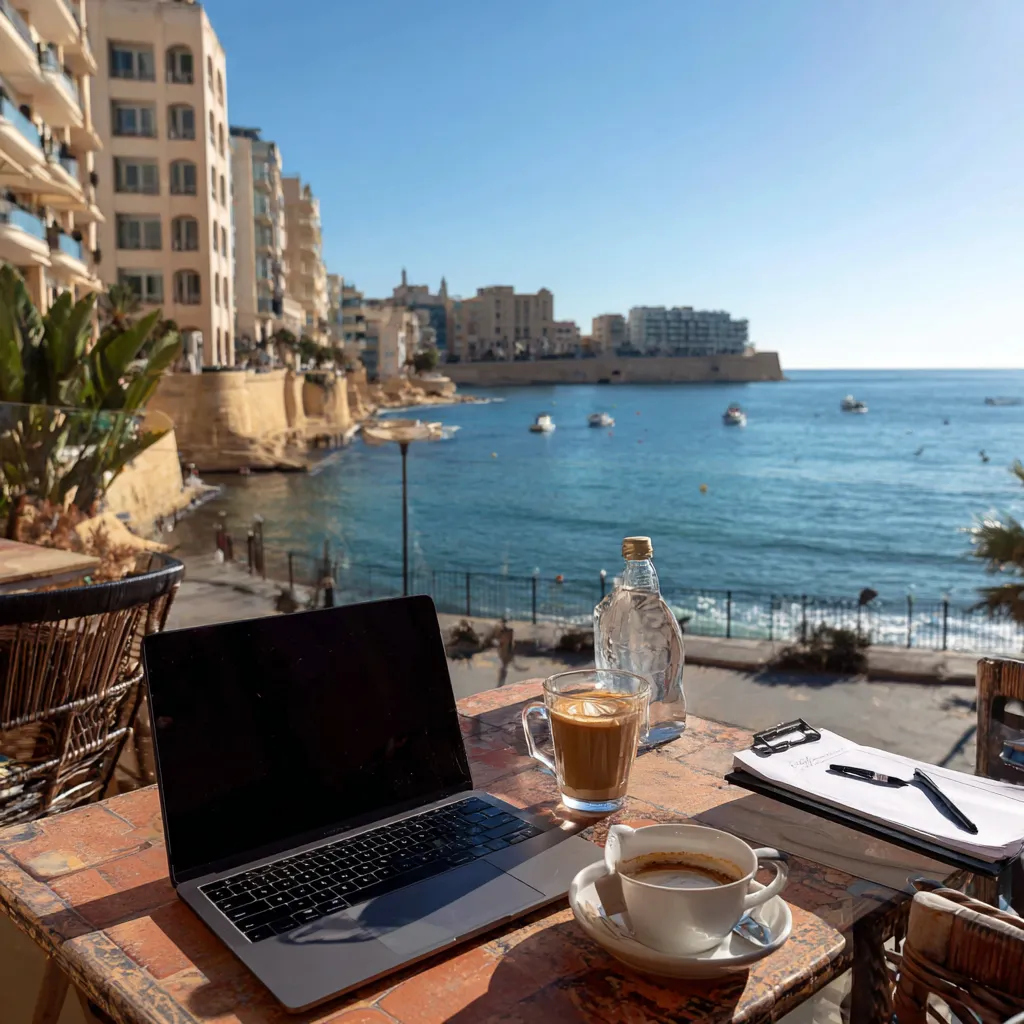
Before you unpack your laptop, take a minute to check the essentials: reliable Wi‑Fi, available power sockets, comfortable seating and an uncrowded spot for calls. Many Maltese cafés offer decent internet, but signal quality varies by location and time of day, especially in peak tourist season.
Also consider the menu and prices (you'll feel better buying something if you stay a few hours), opening hours, and whether staff are used to people working there — some cafés welcome laptops, others prefer quick table turnover.
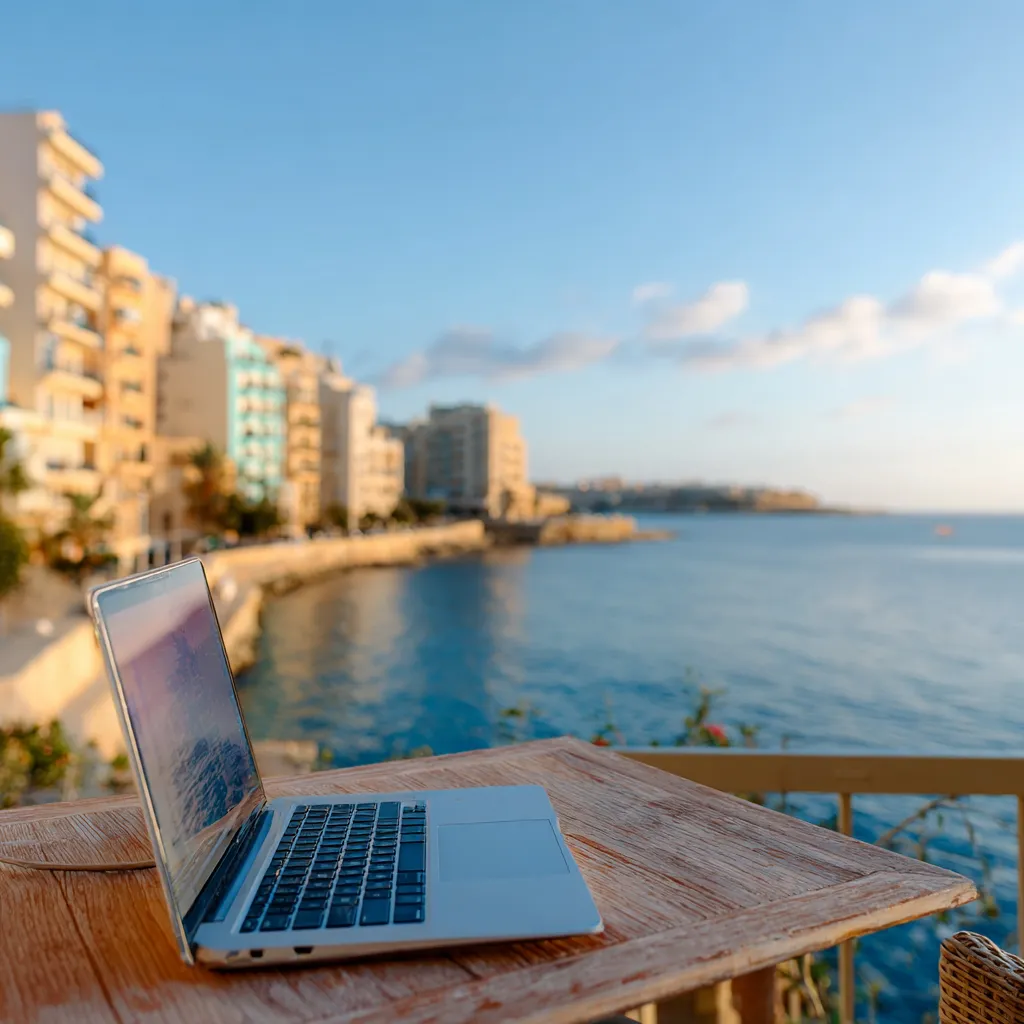
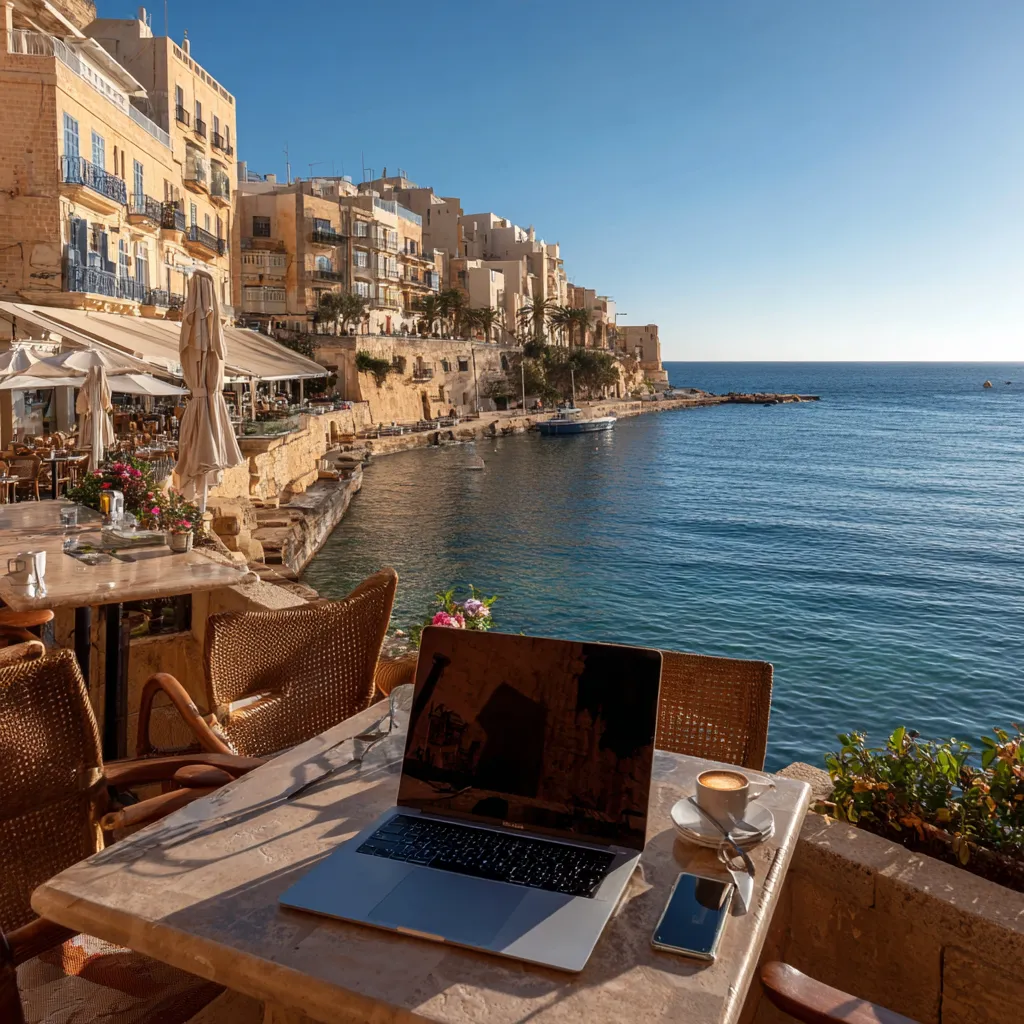
Seafront cafés: Ideal if you want inspiration between tasks — choose early mornings or late afternoons to avoid the busiest tourist windows. These spots are great for short deep-focus sessions and quick client calls with a pleasant backdrop.
Quiet neighbourhood cafés: Hidden down side streets away from the promenade you'll find calmer options that local freelancers and students favour. These are best for extended blocks of focused work.
Hotel and business-district cafés: Found near major hotels and Sliema's commercial streets, these places often stay open all day and are used to international visitors and business meetings — useful when you need stability and a professional ambience.
Budget bakeries and grab-and-go spots: If cost is a concern, early-morning bakery cafés can be surprisingly quiet and cheap — good for mornings but not for long video calls.
Evening cafés and flexible venues: For those on different time zones or with late deadlines, look for cafés that stay open later; some are quieter in the evening after tourists leave.
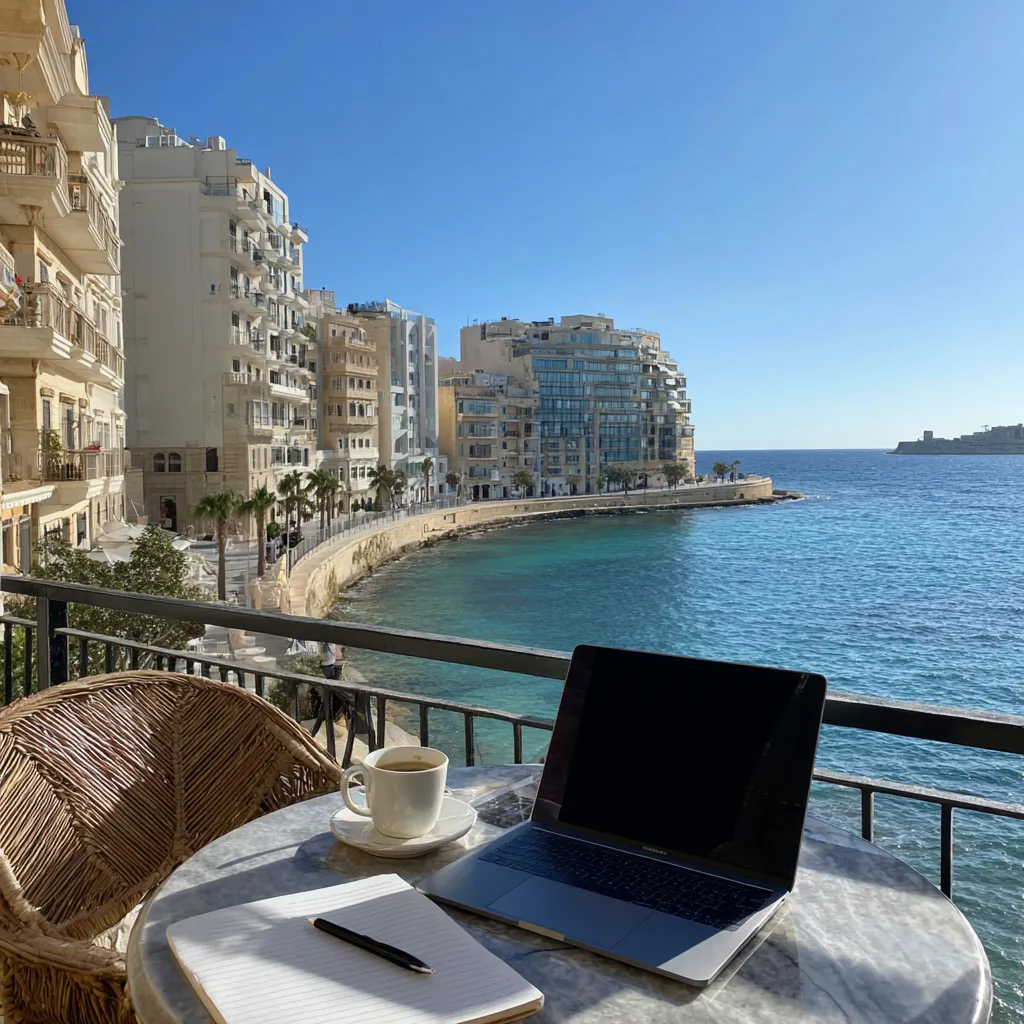
Maltese café owners and staff appreciate regular customers, but most also rely on table turnover. A good rule: make a visible purchase every 60–90 minutes and ask before plugging into a socket. If a place is busy, be ready to move to a smaller table when needed.
When taking calls, use headphones and find a corner or outdoor seating where you won't disturb other customers. During summer months expect louder terraces and more foot traffic; plan important meetings for quieter times. Small gestures like clearing your table and tipping can go a long way in building goodwill with staff.
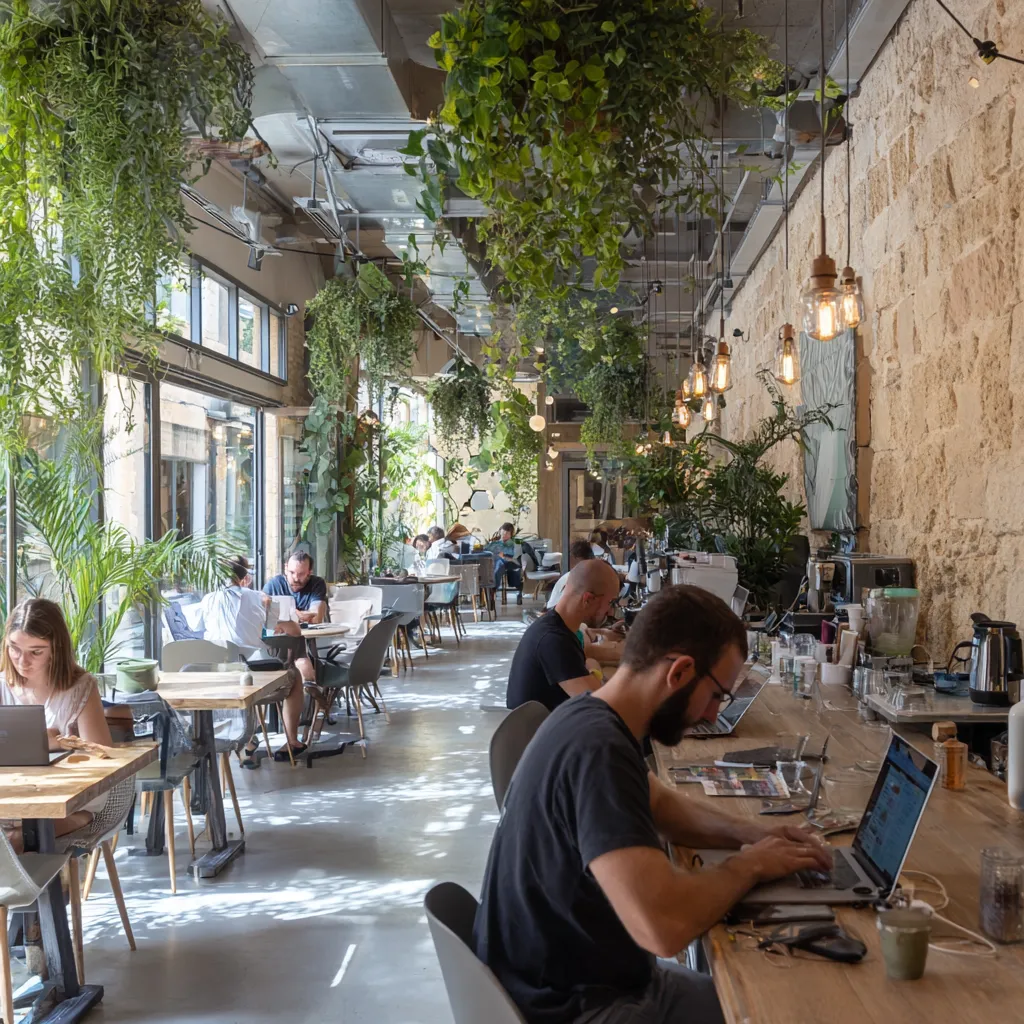
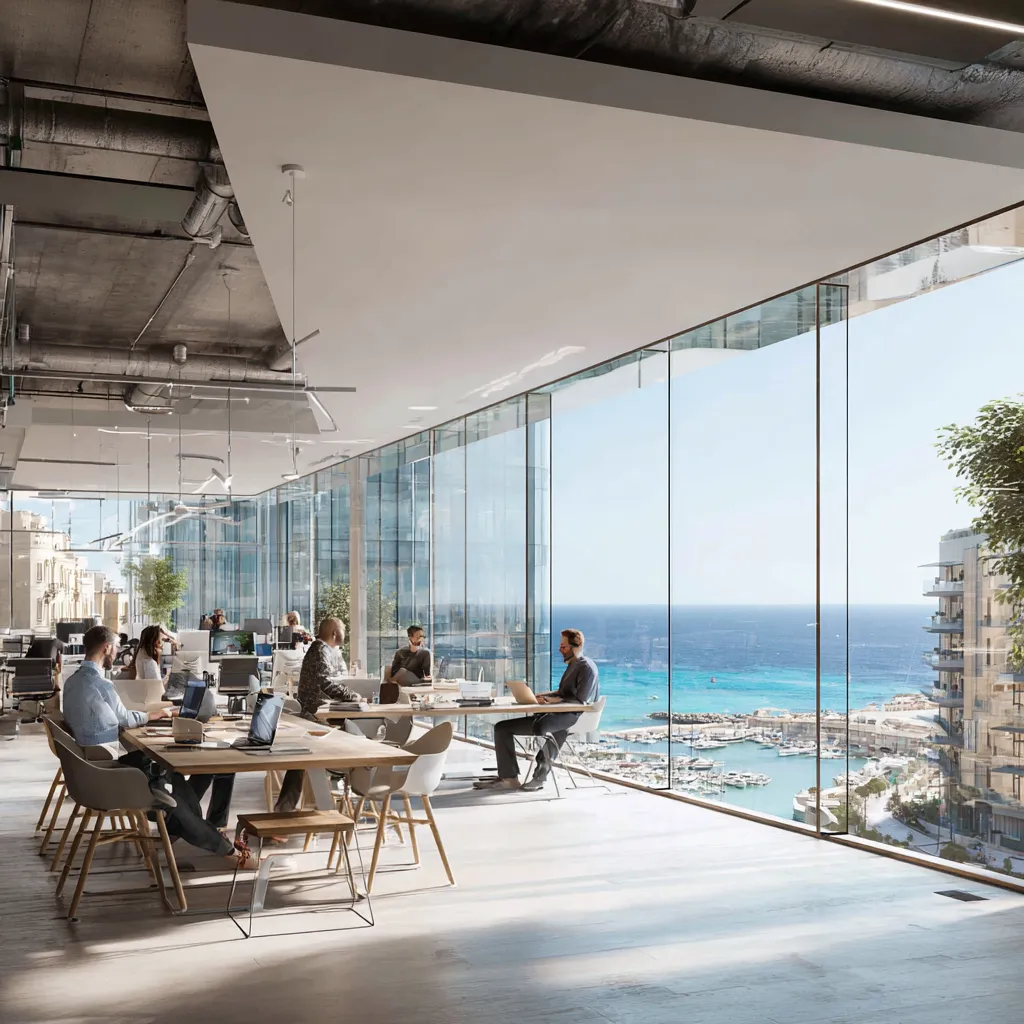
If you need guaranteed desks, meeting rooms or reliable business-grade internet, look into nearby coworking spaces and business centres in St Julian's and Sliema. Public libraries and municipal facilities in neighbouring towns can also be quieter alternatives for day-long focus work.
For visitors and newcomers planning a longer stay in Malta, map out a simple 30‑day plan: try two or three cafés during week one, note which slots worked best for calls and deep work, then choose a primary café or coworking option. Use local networking meetups and industry events — especially in iGaming and finance — to meet hiring managers and fellow remote professionals.
Explore more career advice and industry insights.
A practical Malta-focused guide to the best cafes for remote work in St Julian's and Sliema, with tips on Wi‑Fi, power, etiquette …

A practical Malta-focused guide to the best cafes for remote work in St Julian's and Sliema, with tips on Wi‑Fi, power, etiquette …
A practical Malta-focused guide to the best cafes for remote work in St Julian's and Sliema, with tips on Wi‑Fi, power, etiquette …
Find your next opportunity.