

Sliema, St. Julians, or Gzira: Where Should Tech Expats Live?
A practical, Malta-focused guide to choosing between Sliema, St. Julian's and Gzira for tech expats — comparing commute, cost, emp…
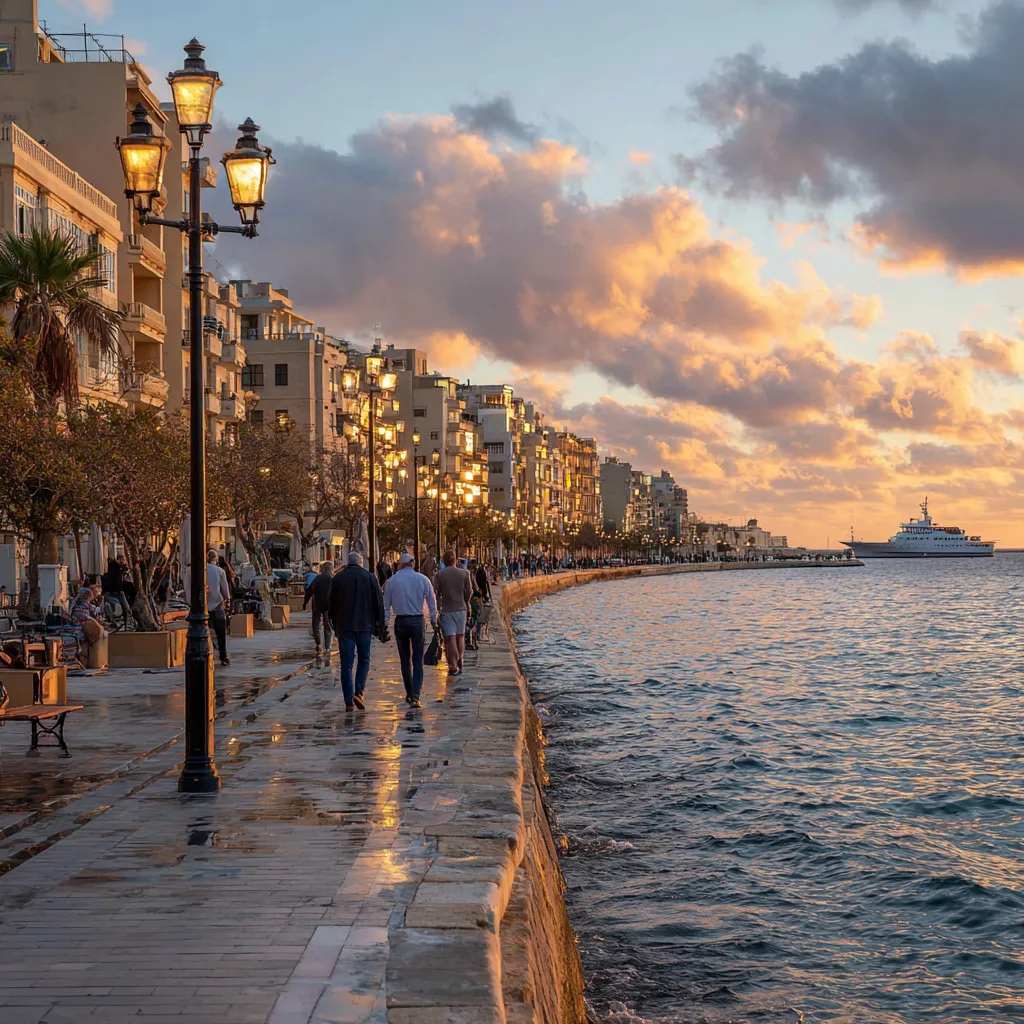
A practical, Malta-focused guide to choosing between Sliema, St. Julian's and Gzira for tech expats — comparing commute, cost, employers and relocation tips.
If you want easy access to interviews and recruiters, St. Julian's is the natural choice; if you value quieter evenings and lower rent, Gzira can be a smart trade-off.
For many tech expats a hybrid job + Sliema lifestyle gives the best balance between career opportunity and quality of life.
Malta is a small island, but within its compact footprint different towns offer distinct advantages for tech expats. Where you live will affect commute times, rent, evening life and how easy it is to meet other tech people — all important when you’re new and building a local network.
For tech roles that allow hybrid or remote work, your neighbourhood still matters for lifestyle: sea views and promenades suit those seeking work–life balance, while proximity to St. Julian's or central business areas helps with face-to-face meetings, interviews and informal networking.
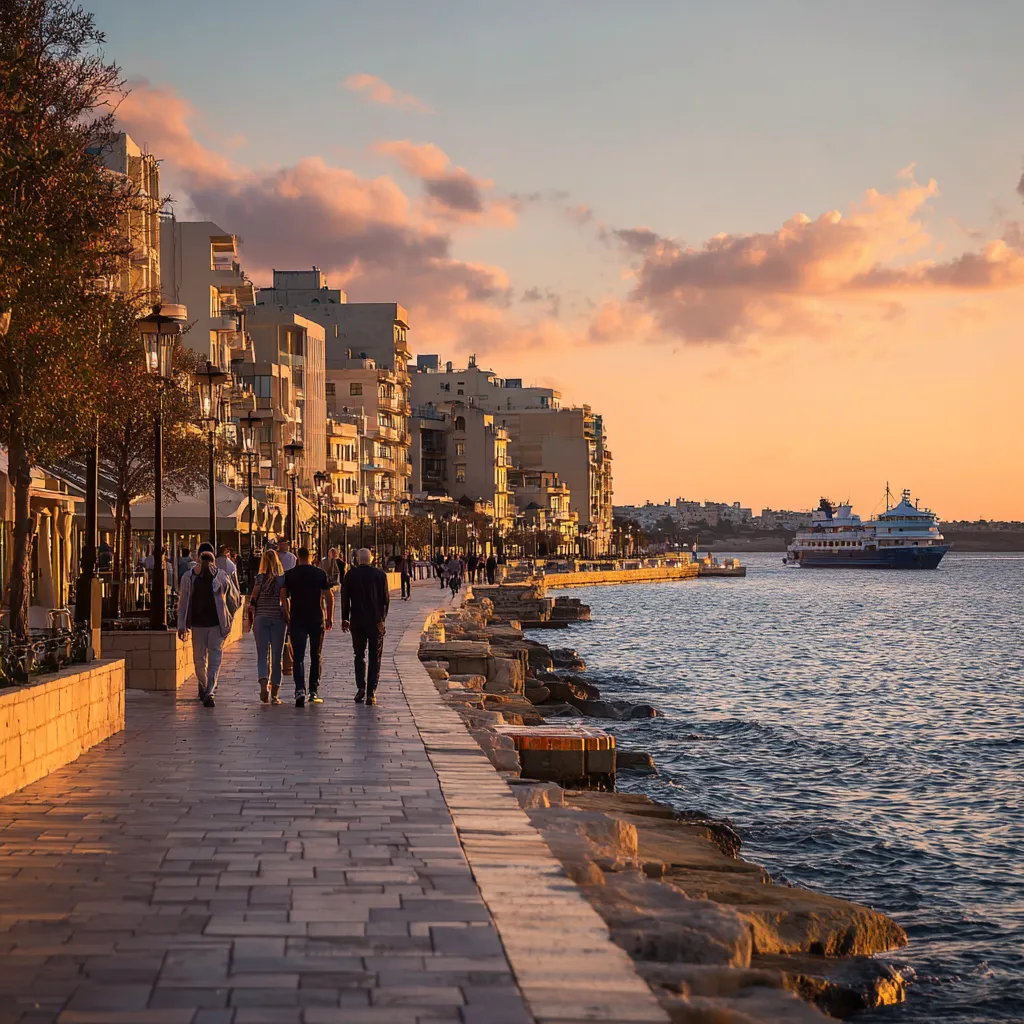
Sliema: popular with finance, shared-service centres and professionals who value a polished seafront, cafés and shopping. Good for those who want a balance of daytime city amenities and evening promenades. Commutes into Valletta or Msida are straightforward by bus or ferry.
St. Julian's: the island's entertainment and hospitality hub — and a magnet for iGaming and start-ups that favour the lively Paceville/Sliema corridor. It’s the go-to if you want to be close to many tech offices, lively after-work scenes and a dense cluster of recruiters and HR teams.
Gzira: a more residential, cost-conscious choice with easy access to the University of Malta and central bus routes. It’s increasingly popular with young professionals and contractors who want shorter rents and quicker links to towns like Sliema and Valletta.

Rents in Malta vary considerably by neighbourhood and season. Expect higher asking rents in Sliema and St. Julian's for one-bedroom apartments compared with Gzira or inland towns. Prices are dynamic — always check current listings and factor in utilities, Wi‑Fi and occasional short-term stays while you search.
Commuting in Malta is usually short: many tech hubs are clustered along the northeastern corridor. Buses are the main public option; driving or scooters reduce commute time but parking in St. Julian’s and Sliema can be challenging. For remote-first tech roles, stable broadband is often more important than proximity to the office.
If you’re on a tight budget consider shared flats, shorter-term leases while you scout the area, or looking slightly inland (Msida, Gżira’s edges) where rents tend to be lower but routes to offices remain quick.
Malta’s tech hiring spans iGaming, fintech, shared services, software consultancies and a growing startup scene. Many companies advertise roles in St. Julian's and nearby business parks, while finance and professional services are also prominent in Sliema and Valletta.
Employers typically look for strong practical skills, good English communication, collaboration experience and a willingness to adapt to a small-island market. For non-EU candidates expect additional hiring steps related to work permissions — always clarify these early with the recruiter or HR contact.
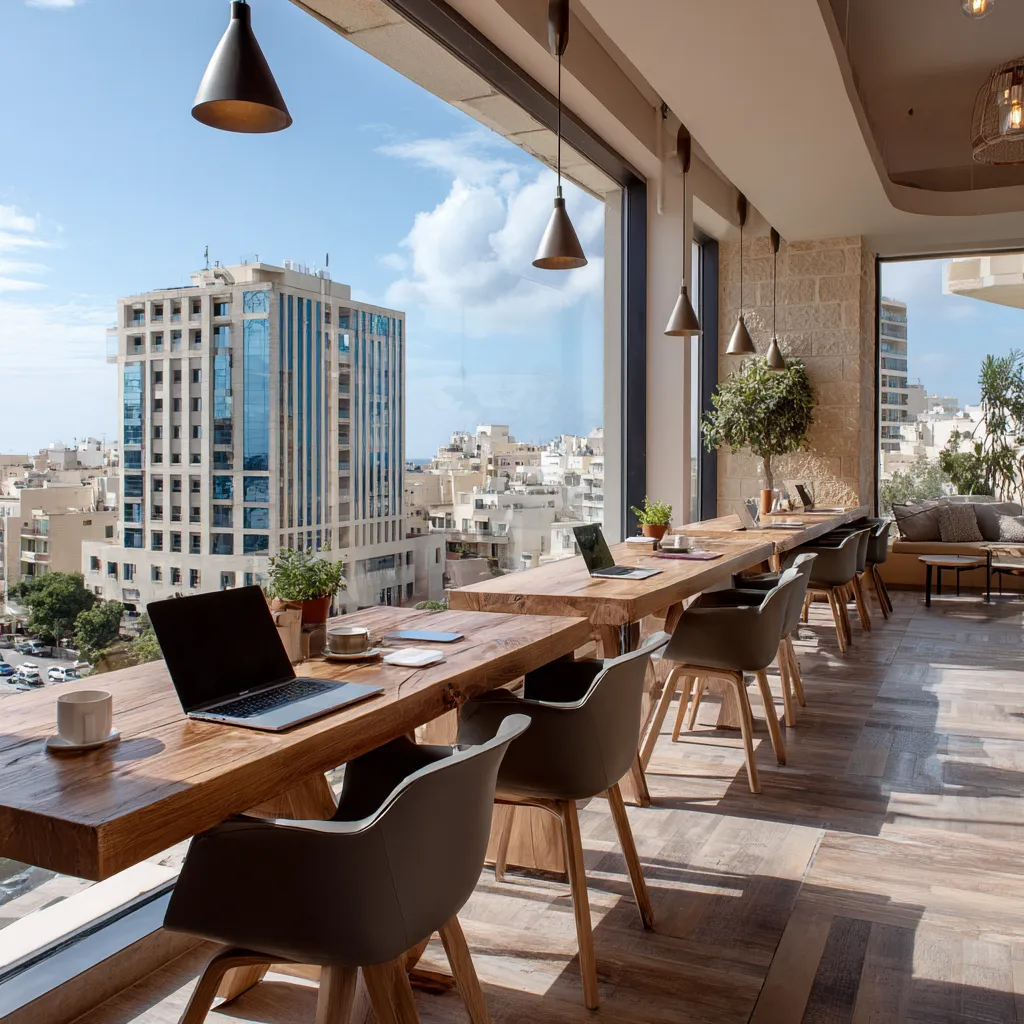
Before you arrive: prepare digital copies of your CV, qualifications, and references; confirm work-permit status if you're a non-EU national; arrange temporary accommodation for your first weeks so you can view flats in person.
First 30 days: finalise a long-term rental, register locally where required, open a bank account, and ensure your internet/broadband is set up for work. Make time to visit local co‑working spaces and drop into meetups to start building contacts.
60–90 days: convert casual meetups into professional connections, meet recruiters in St. Julian’s and Sliema, and focus on applying to roles that match your long-term career plan. If you're negotiating an offer, factor in probation periods, benefits and typical local perks.
Explore more career advice and industry insights.
A practical, Malta-focused guide to choosing between Sliema, St. Julian's and Gzira for tech expats — comparing commute, cost, emp…
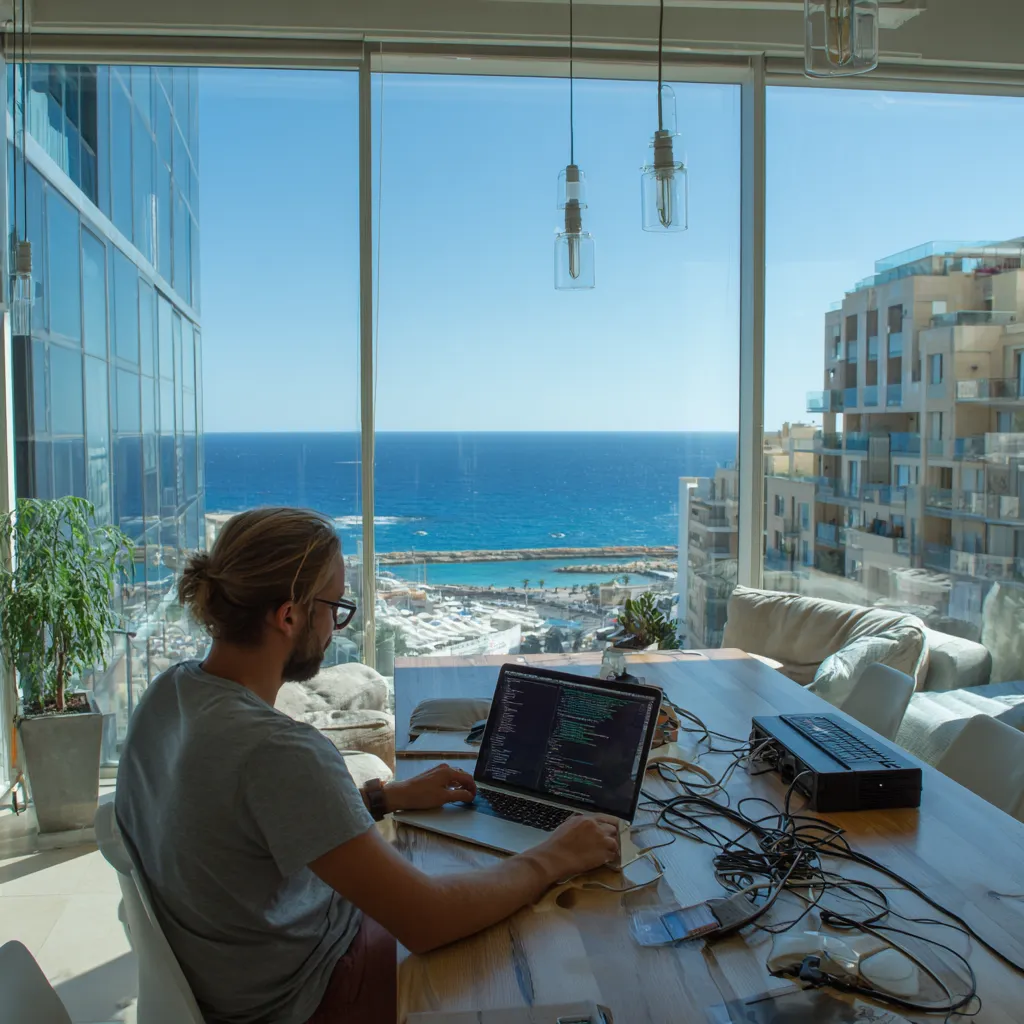
A practical, Malta-focused guide to choosing between Sliema, St. Julian's and Gzira for tech expats — comparing commute, cost, emp…

A practical, Malta-focused guide to choosing between Sliema, St. Julian's and Gzira for tech expats — comparing commute, cost, emp…
Find your next opportunity.