

Cost of Living in Malta 2025: Budgeting on a Tech Salary
Practical, Malta-focused advice on living costs and sensible budgeting for tech workers in 2025, with neighbourhood tips, sample b…

Practical, Malta-focused advice on living costs and sensible budgeting for tech workers in 2025, with neighbourhood tips, sample budgets and negotiation and relocation guidance.
A tech salary in Malta can stretch further if you negotiate benefits and are flexible about neighbourhoods.
Check whether your offer is gross or net — small differences in tax and social contributions change your monthly take-home pay.
Malta remains an attractive island for tech roles — from iGaming studios and fintech teams in St Julian’s and Sliema to startups and shared-service centres in Birkirkara, Msida and Valletta — but the small-island market means housing and lifestyle costs vary sharply by area.
If you’re on a tech salary (remote, hybrid or local contract), understanding typical expenses and employer benefits will help you negotiate more effectively and avoid surprises during relocation or the first year in Malta.
This guide blends local examples, short budgets and practical tips so you can plan whether you’re a junior developer fresh to the market, a mid-level engineer moving from abroad, or a senior hire weighing offers.

Housing is the biggest single expense. In 2025 you’ll find a wide spread: a room in a shared apartment near Msida or Mosta will typically cost less than a one-bedroom near Sliema or St Julian’s where demand from expats and hospitality workers is high.
Below are illustrative monthly budgets (net figures) to help you visualise trade-offs. These are sample scenarios — actual offers vary with gross/net salary, taxes and benefits like health insurance or transport allowances.
Quick note on salary ranges in tech (illustrative): junior roles might net roughly €1,600–€2,200, mid-level €2,700–€3,500 and senior/lead roles €4,000+ depending on company, equity and benefits. Always confirm gross vs net on offers and factor in social security and tax.

Negotiate beyond the headline: negotiate basic salary, remote/hybrid days, sign-on, relocation assistance, and benefits such as private health cover, pension contributions or flexible working. Employers in iGaming and shared services are often flexible on perks.
House-hunting strategies: consider flatshares in Msida or Birkirkara for easy access to tech hubs, look at longer-term leases outside high-season hospitality areas to avoid price spikes, and inspect energy efficiency (older Maltese houses can mean higher bills).
Practical money-saving moves include cooking at home, using local markets, buying a monthly Tallinja card if commuting by bus, and switching utilities/providers carefully — small savings add up on a monthly salary.
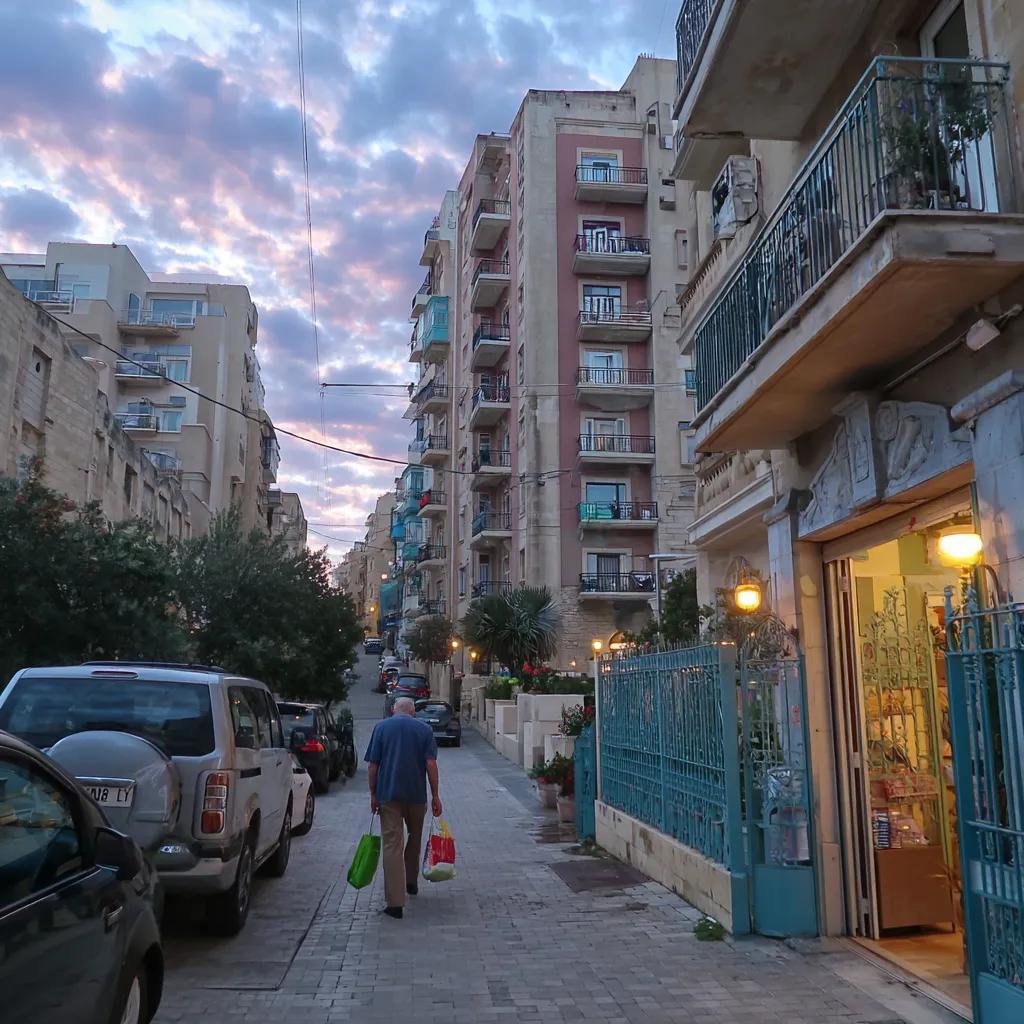
Sliema and St Julian’s are popular for seafront living and nightlife but expect higher rents and tourist-season demand; ideal if you value short social commutes and many international colleagues. Valletta and Floriana offer city living with cultural access and short commutes to central offices.
Msida is a practical choice for students and early-career tech workers because of proximity to university facilities and shared-service centres; Birkirkara and Mosta are good value for families and those wanting more space.
Consider Gozo if you prize quieter life and lower housing costs — but factor in ferry commuting time and less frequent tech meetups. Hybrid roles make this increasingly viable for some senior remote-friendly positions.
EU citizens have different administrative steps than non-EU candidates; non-EU hires should confirm work permit steps with employers and official Maltese authorities. Avoid relying on informal advice — check government resources or ask HR for clear next steps.
Prepare local-style CV and interview approach: emphasise English language fluency, any Maltese you speak, remote/hybrid experience, and soft skills such as collaboration across teams — recruiters in Malta look for cultural fit as well as technical skills.
A simple 30–90 day plan helps new arrivals settle financially and professionally: 30 days — secure accommodation, register with local services, set up local bank/pension; 60 days — finalise tax and social security setup, start networking; 90 days — re-evaluate budget, confirm probation goals with manager.
Explore more career advice and industry insights.
Practical, Malta-focused advice on living costs and sensible budgeting for tech workers in 2025, with neighbourhood tips, sample b…

Practical, Malta-focused advice on living costs and sensible budgeting for tech workers in 2025, with neighbourhood tips, sample b…

Practical, Malta-focused advice on living costs and sensible budgeting for tech workers in 2025, with neighbourhood tips, sample b…
Find your next opportunity.