

Cost of Living in Malta 2025: Comparison with UK and Europe
An essential 2025 guide for Singaporeans and travellers comparing the cost of living in Malta with the UK and wider Europe — housi…
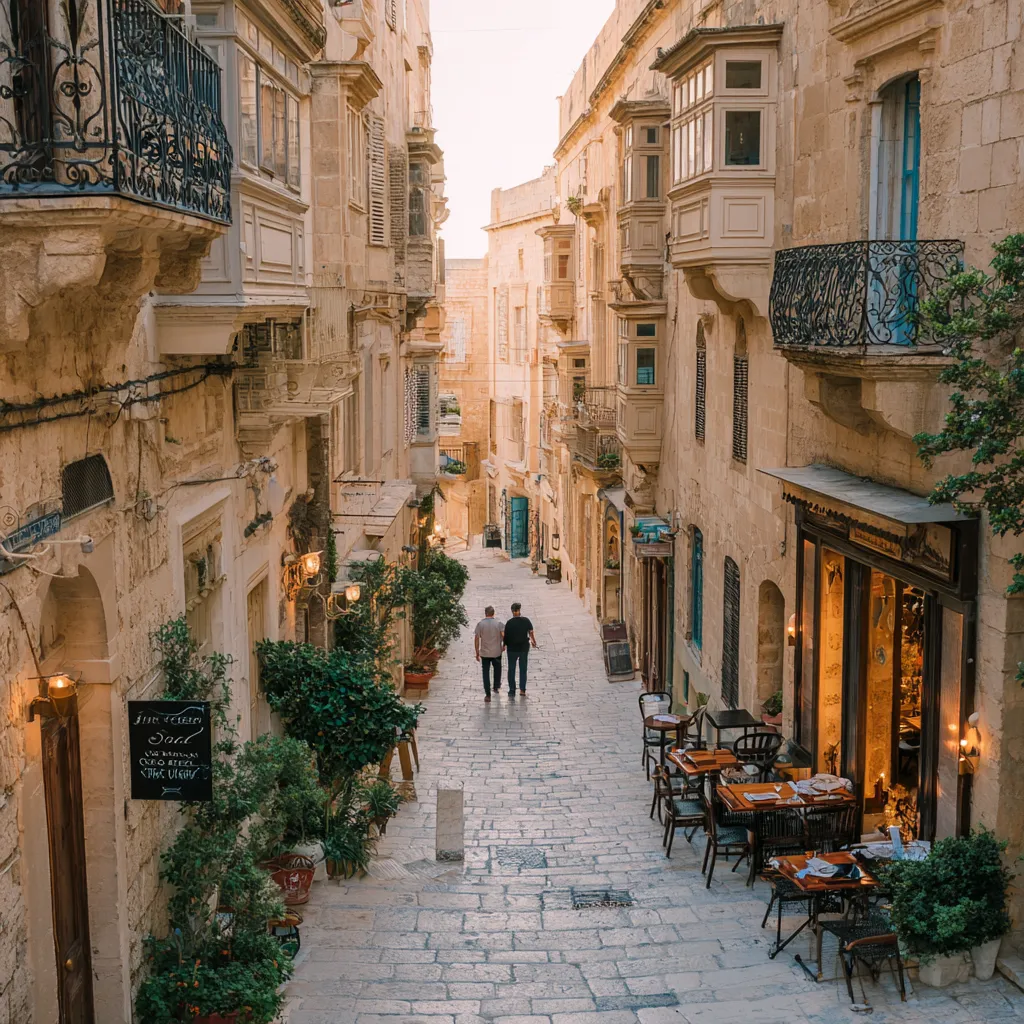
An essential 2025 guide for Singaporeans and travellers comparing the cost of living in Malta with the UK and wider Europe — housing, food, transport and practical tips for moving or long-term travel.
Malta feels like a compact European neighbourhood — cheaper than London for many basics, but seaside dining can surprise you if you don't look for local spots.
For Singaporeans used to hawker-value lunches, cooking local produce and avoiding tourist restaurants is the fastest way to keep costs down.
Malta has become an attractive option for Singaporeans weighing relocation, remote work or an extended European stay — compact, English-speaking and sunny much of the year. For readers used to Singapore’s efficient city rhythm, Malta offers a smaller-scale European lifestyle with Mediterranean beaches, historic towns and a growing expat community.
This article compares typical living costs in Malta with the UK and average Western Europe, while translating those differences into practical tips for people from Singapore: where you can save, what costs more, and how to plan a realistic budget before you book that one-way ticket.
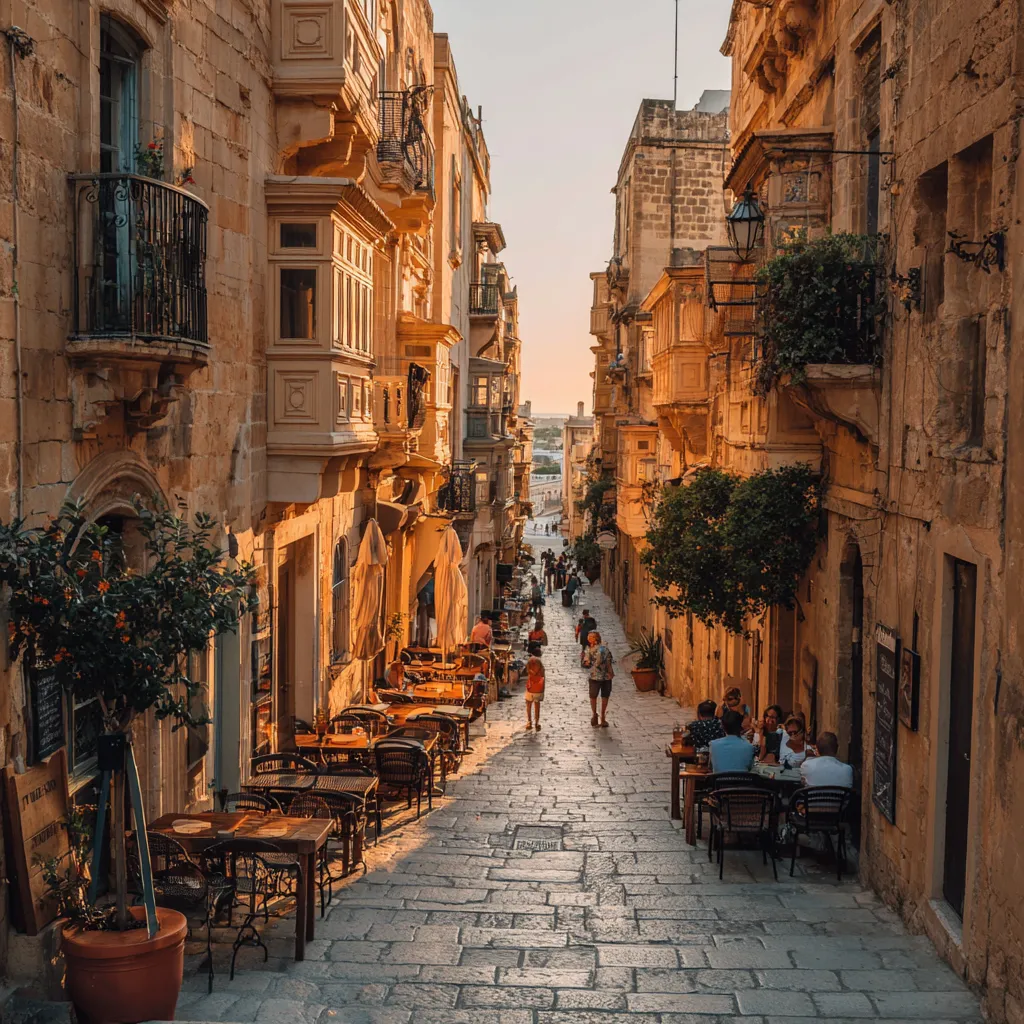
Housing is the single biggest variable. In Valletta, Sliema and St Julian’s — the most popular expat and tourist hubs — expect higher rents for apartments with sea views or modern finishes. Outside those pockets, older townhouses and villages on the island or neighbouring Gozo are noticeably cheaper.
Compared to the UK and major European cities, Malta’s core rents for a central one-bedroom can be lower than London but higher than many secondary cities in continental Europe; meanwhile rural and small-town options offer good value if you don’t need to be in the CBD every day.
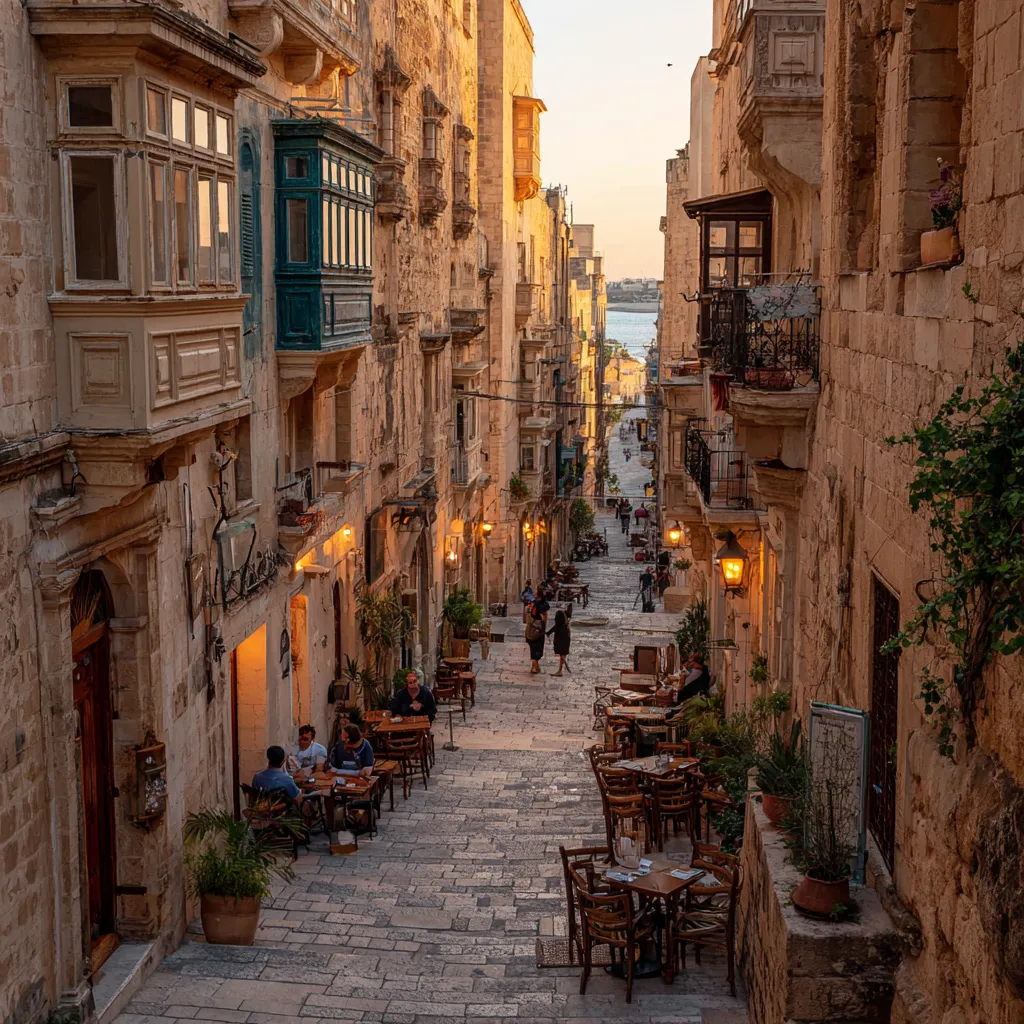
Daily food costs depend on how much you eat out. Malta has an everyday street-food culture (think pastizzi and sandwich shops) plus seafood restaurants along the coast that can be pricey during tourist season. Compared with Singapore hawker centres and kopitiams, casual Maltese eats are generally affordable, but regular restaurant dining—especially seafood at waterfront eateries—will often cost more than a hawker meal at Newton or Tiong Bahru.
Groceries are relatively in line with southern Europe: supermarket basics are reasonable, but imported Asian ingredients or speciality items can be expensive. If you miss Singapore flavours, budget for occasional trips to speciality grocers or ordering online.

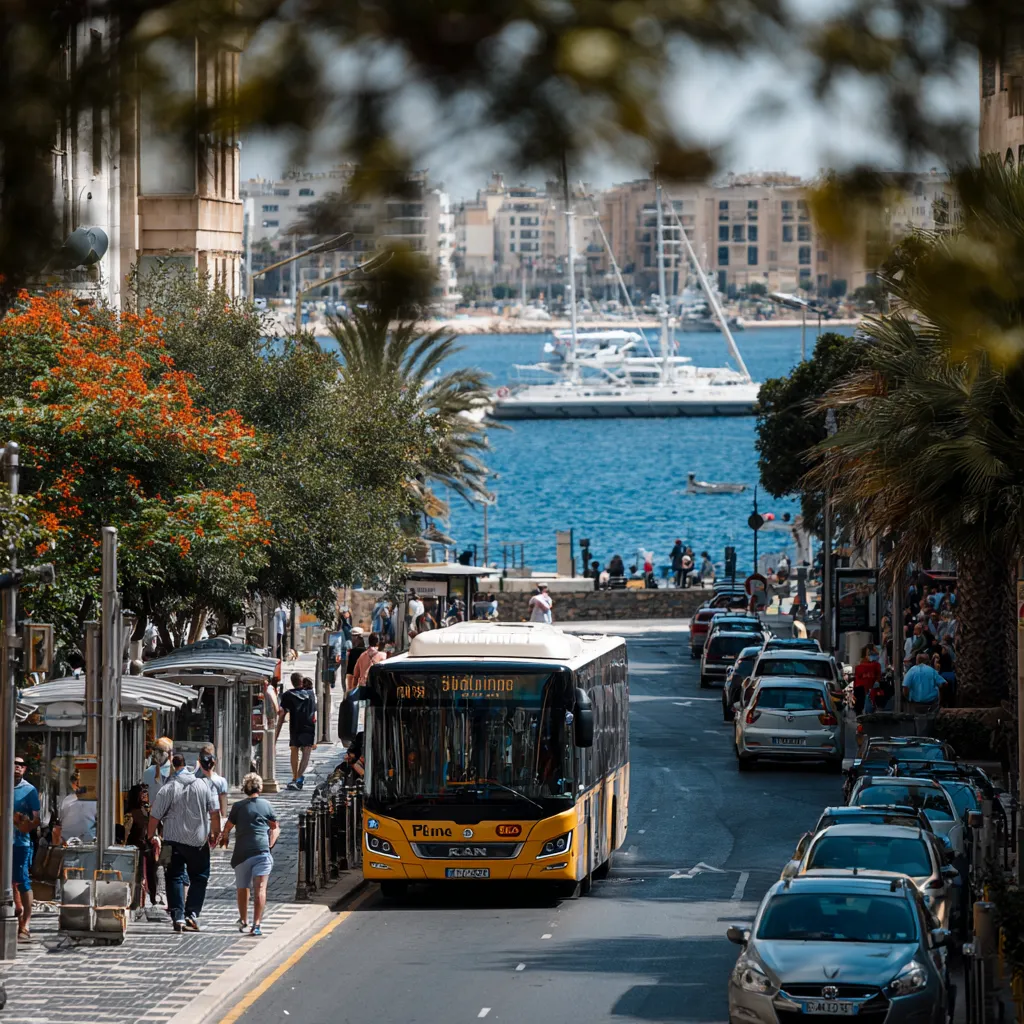
Public transport in Malta is bus-focused and inexpensive compared with typical UK fares; car ownership is common on the island but parking and fuel add up. Healthcare combines public and private services — EU/UK nationals may have access under certain conditions, while non-EU residents should budget for private insurance.
For Singaporeans used to efficient MRT travel, Malta feels more relaxed: things take longer, but costs for local commutes can be lower if you rely on buses or scooters rather than taxis.
Plan for transitional costs: deposits for rentals, relocation shipping, and a small buffer for the first three months. Bank setup, mobile plans and registering for utilities take time — having a local contact or short-term serviced apartment first makes the switch easier.
Small cultural and practical notes: business hours in Malta can differ from Singapore’s 9-to-5 tempo, markets close on some afternoons, and bargaining is uncommon outside private markets. Embrace local rhythms: weeknight dinners by the sea, weekend village markets and public holiday closures.
Explore more career advice and industry insights.
An essential 2025 guide for Singaporeans and travellers comparing the cost of living in Malta with the UK and wider Europe — housi…
An essential 2025 guide for Singaporeans and travellers comparing the cost of living in Malta with the UK and wider Europe — housi…

An essential 2025 guide for Singaporeans and travellers comparing the cost of living in Malta with the UK and wider Europe — housi…
Find your next opportunity.