

The Real Cost of Utilities and Internet in Malta 2025
A practical Malta-focused guide to average electricity, water and internet costs in 2025 plus budgeting tips for jobseekers, expat…
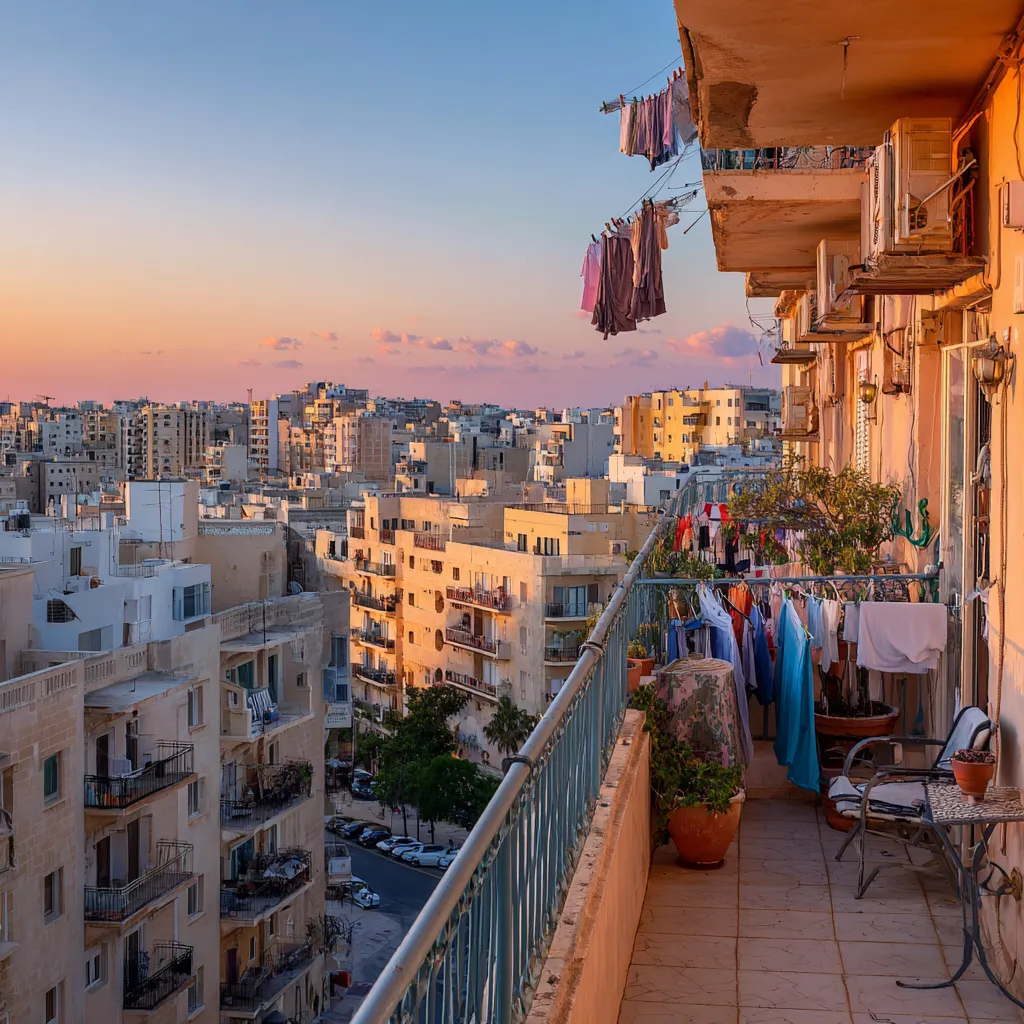
A practical Malta-focused guide to average electricity, water and internet costs in 2025 plus budgeting tips for jobseekers, expats and employers offering allowances.
A reliable broadband connection can be as important as salary for hybrid roles — always ask about internet expectations during the interview.
Budgeting for summer air-conditioning and occasional higher bills makes a big difference for newcomers to Malta.

For anyone looking for work in Malta — whether applying to iGaming firms in St Julian's, finance roles in Sliema, or hospitality positions in Valletta — monthly utility and internet costs are a practical part of the relocation and salary conversation.
Good connectivity affects more than comfort: many shared-service centres, remote-friendly startups and international employers expect reliable home internet for hybrid or fully remote roles, while seasonal tourism jobs in Gozo or St Julian's can push electricity use during summer months.
Electricity is usually the largest household utility. For a single person in a small apartment expect a typical monthly bill in the range of about €60–€120; larger flats or heavy air-conditioning use in summer can push bills higher (€150+).
Water and waste charges are often lower but still factor into monthly budgeting — many households see combined water and waste charges roughly €10–€40 a month depending on consumption and whether charges are included in rent.
Remember these are averages: an office-based worker who spends daytime hours away from home will typically pay less than someone working remotely. Always check the exact breakdown on your rental agreement — some landlords include water or waste in the rent while electricity remains tenant responsibility.
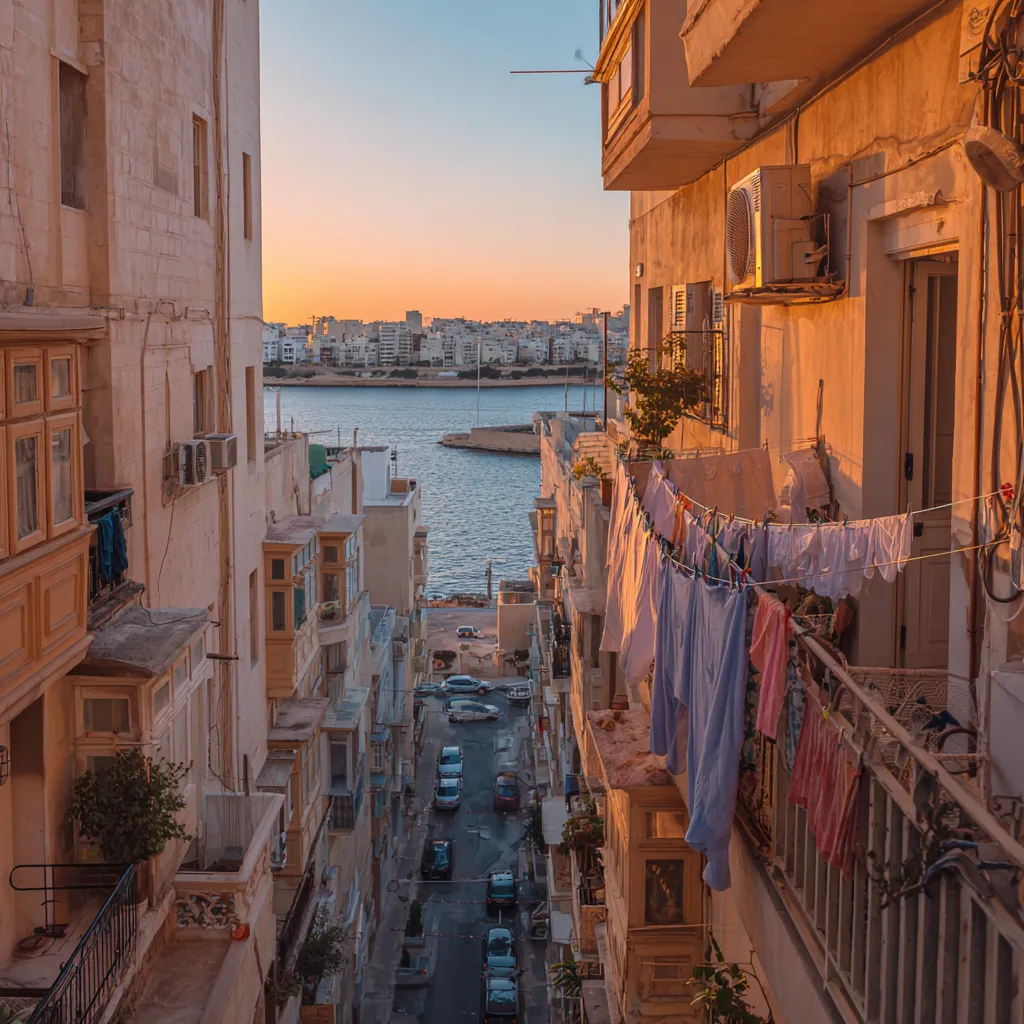
Malta has strong fixed-line and cable coverage in urban areas; the main consumer providers are Melita and GO, which offer a mix of cable and fibre packages. Mobile operators such as Epic and GO also provide mobile broadband and hotspot solutions that can be useful for short-term stays or backup connections.
Typical consumer plans in 2025 cover a wide range: basic home plans (suitable for light browsing and video calls) through to higher-speed packages for streaming, remote work and online gaming. Coverage is excellent in places like Sliema, St Julian's and Mosta but check availability in smaller localities or on Gozo.
If you depend on reliable, low-latency connections (for trading, online interviews, or multiplayer iGaming-related roles), look at business-grade or higher-tier residential plans; employers hiring remote workers will often state required minimum upload/download speeds in job specs.
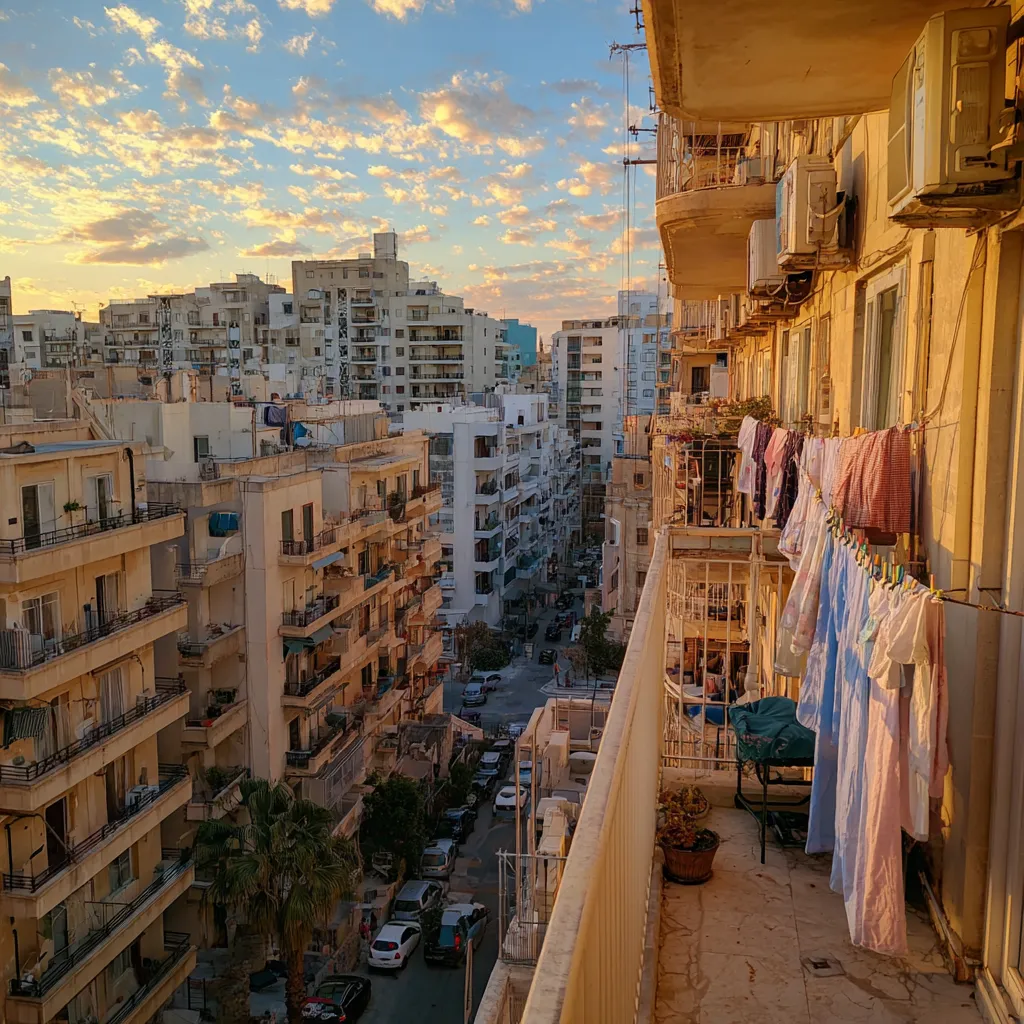
Simple behavioural changes can make an immediate difference: reduce air-conditioning setpoints by a degree or two, use LED lighting, and avoid leaving high-draw appliances on standby.
For internet, compare provider bundles — sometimes combining TV or mobile lines with a broadband plan reduces overall cost. If you move between towns or rent short-term, consider a no-installation mobile hotspot solution until you settle.
If renting, ask your landlord about meter readings at move-in and whether any charges are included. Many tenants in Malta save by sharing electricity and internet costs in flatshares, but be clear up front on splits and responsibilities.
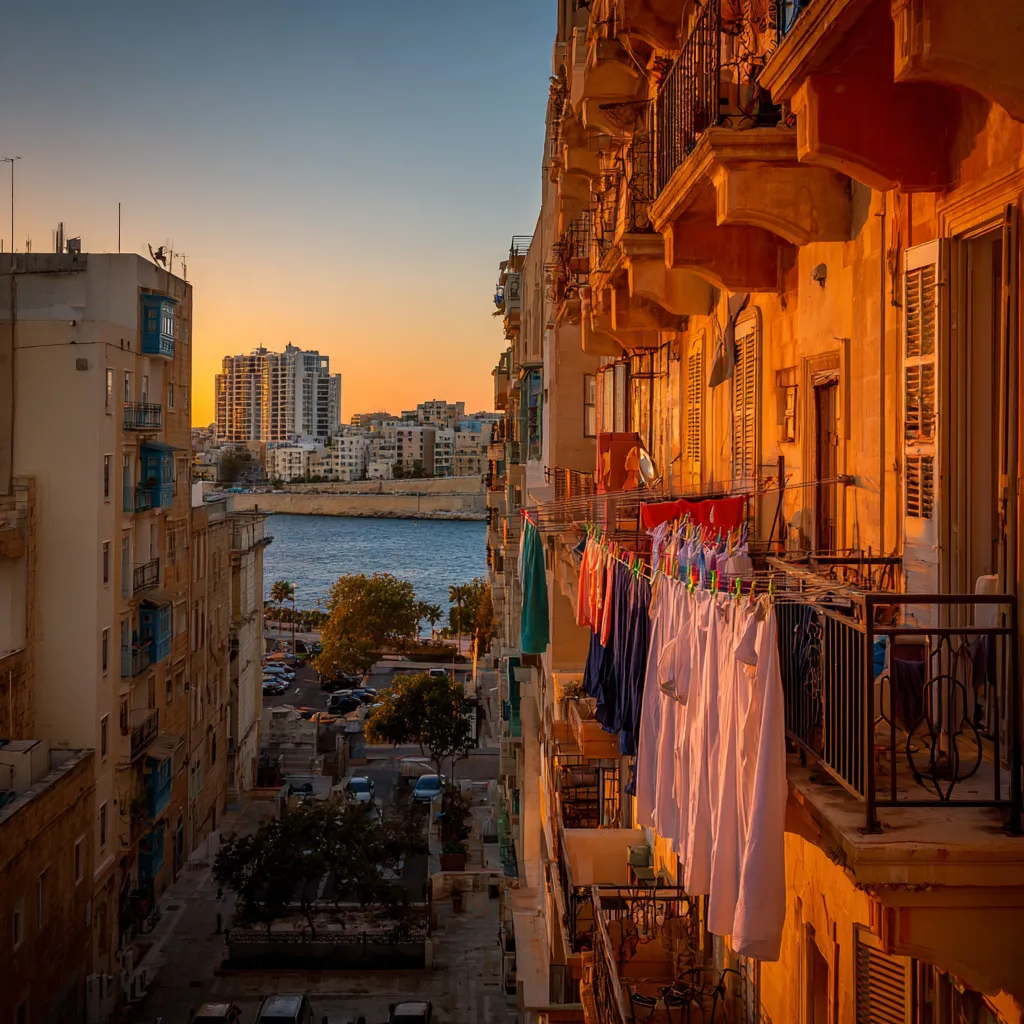
If you are relocating to Malta for a job, build a 30–90 day budget that includes deposits (rental and utilities), temporary accommodation, connection fees for broadband, and an emergency buffer for higher-than-expected summer electricity bills.
EU nationals have simpler residency steps than many non-EU candidates; non-EU candidates should check work permit and visa guidance with official agencies such as Jobsplus and Identity Malta and discuss relocation support with potential employers. Do not rely on informal promises — get any agreed allowances in writing.
During interviews and contract negotiations, ask whether the employer offers housing or utility allowances, internet stipends, or relocation support — these benefits are reasonably common in sectors like iGaming and shared-services where international hires are frequent.
Explore more career advice and industry insights.
A practical Malta-focused guide to average electricity, water and internet costs in 2025 plus budgeting tips for jobseekers, expat…

A practical Malta-focused guide to average electricity, water and internet costs in 2025 plus budgeting tips for jobseekers, expat…

A practical Malta-focused guide to average electricity, water and internet costs in 2025 plus budgeting tips for jobseekers, expat…
Find your next opportunity.