

The Best Coworking Spaces in Malta for Remote Devs
A practical guide to the best coworking options in Malta for remote developers, with location-focused picks, what to look for and …
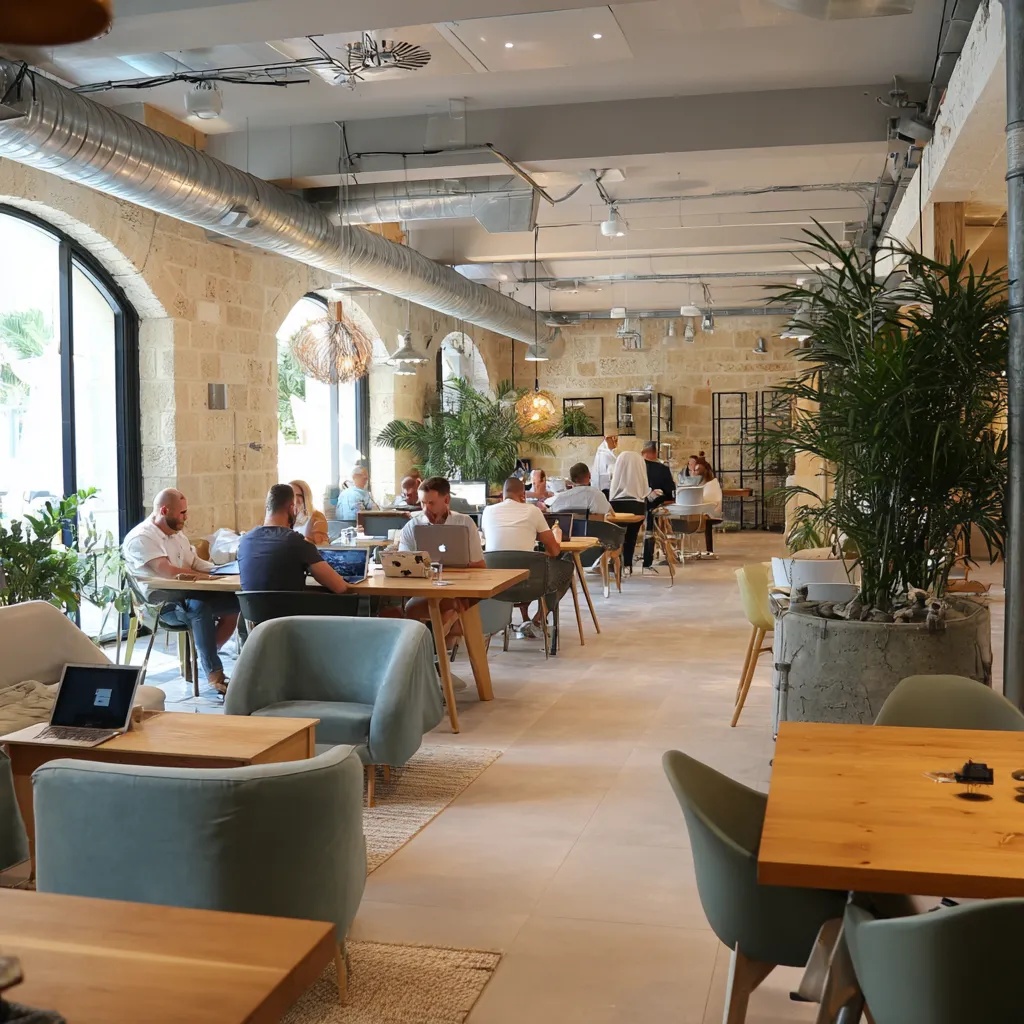
A practical guide to the best coworking options in Malta for remote developers, with location-focused picks, what to look for and local tips to land your ideal workspace.
For a remote dev in Malta, the right coworking space is often about reliable internet and a community that understands time‑zone work.
A short trial pass will tell you more than a glossy website — test speed, noise and meeting-room booking before you commit.
Malta's economy blends iGaming, finance, tech startups and tourism, and many remote developers find coworking spaces provide a productive middle-ground between home and the traditional office. For devs, coworking offers reliable connectivity, meeting rooms to host clients or interview panels, and a professional mailing address for contracts or client meetings.
For international candidates and locals alike, coworking hubs in neighbourhoods such as St Julian’s, Sliema, Valletta and Msida put you close to employers, networking events and public transport. On a small island where in-person networking still opens doors, a coworking membership can accelerate introductions to hiring managers in startups or shared service centres.
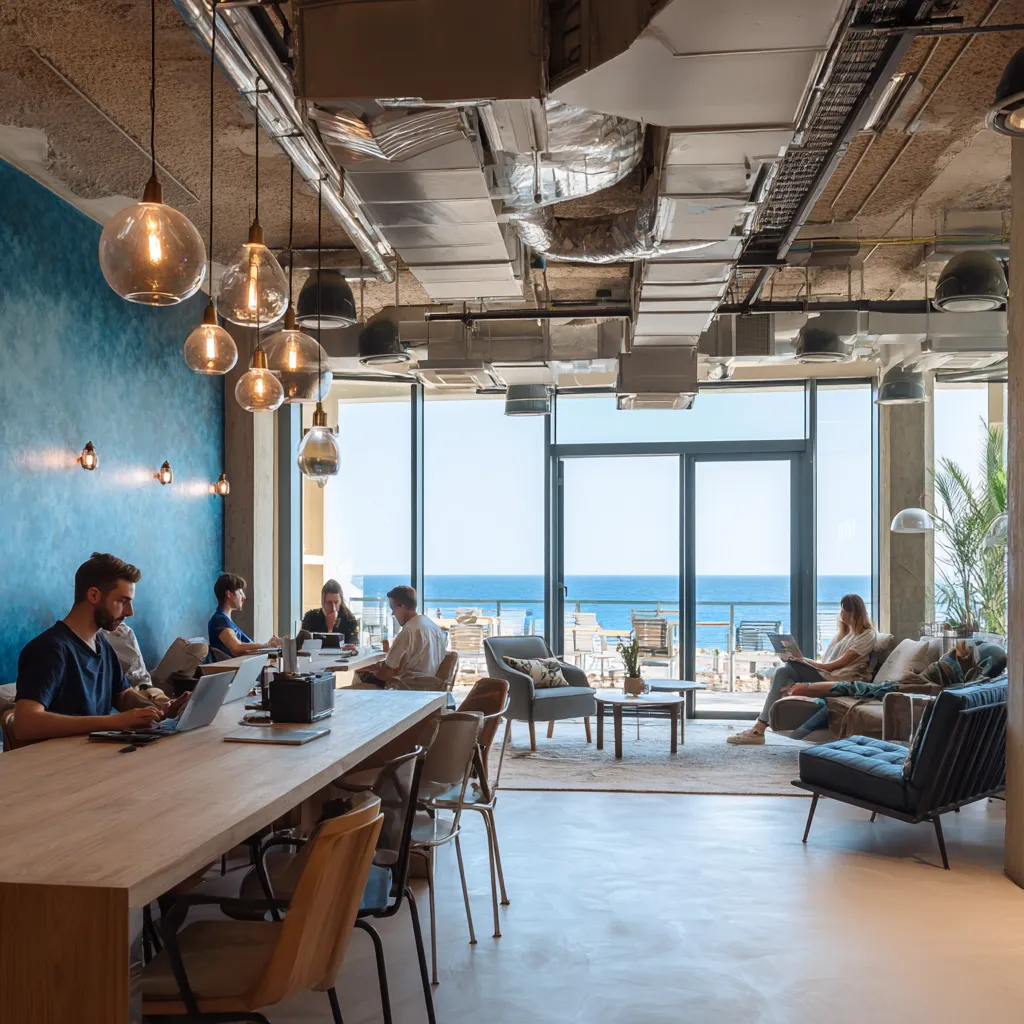
Not all coworking spaces are built for software development. Prioritise high-speed, symmetrical internet or a dedicated ethernet option, reliable power and 24/7 access if you work different time zones — common for devs collaborating with EU and North American teams.
Also check for quiet zones or phone booths for pair programming and client calls, available meeting rooms for technical interviews or demos, and plug-and-play desks to avoid setup friction. Proximity to transport, short-term trial passes and flexible billing (daily, monthly) are useful given Malta’s seasonal rental market.
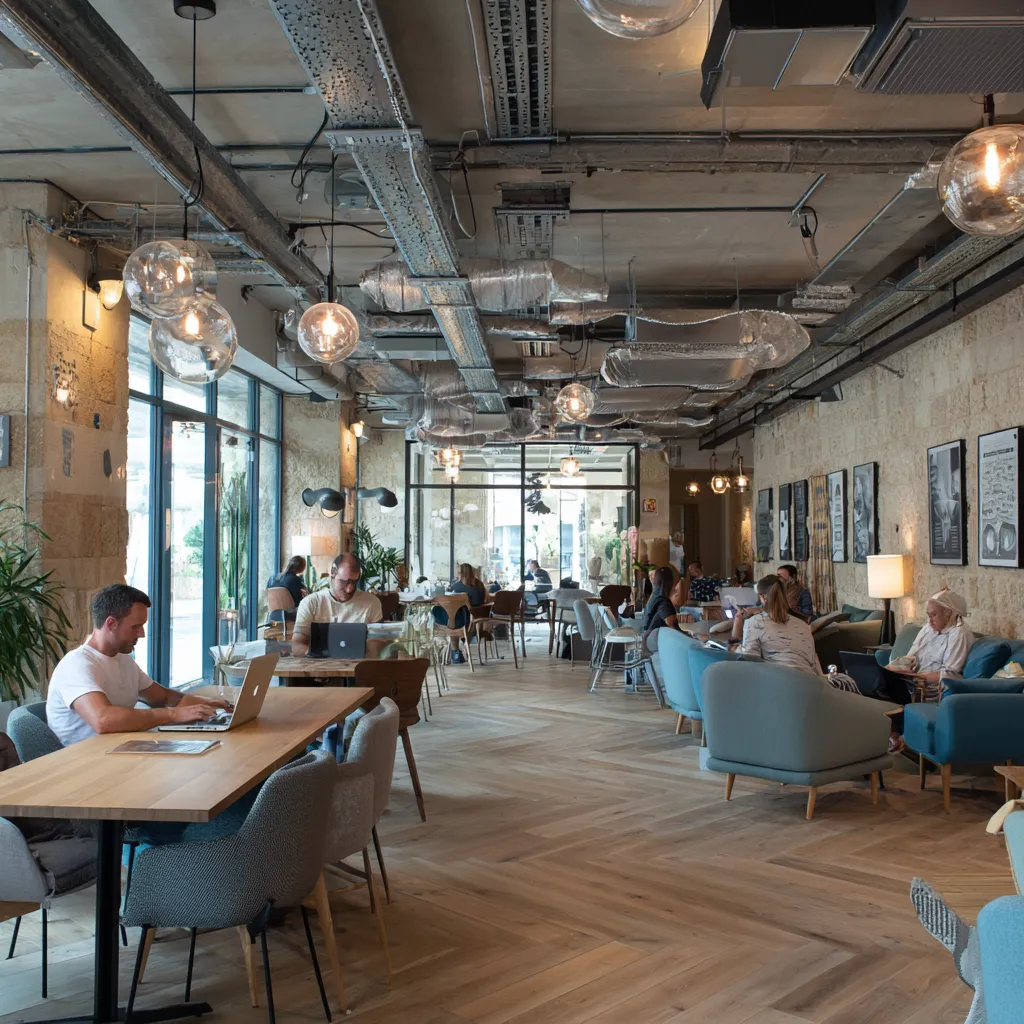
St Julian’s and Sliema are popular with remote devs who want a mix of seafront life and easy access to iGaming and finance offices — expect modern spaces, international members and evening networking events. Valletta has more boutique, professional spaces ideal for client-facing work and legal/finance meetings.
Msida and Birkirkara sit closer to university and startup clusters, making them good for devs looking to join incubators or collaborate with local tech teams. For quieter work and lower prices, consider Gozo or the quieter suburbs where smaller shared spaces and dedicated desks are available.
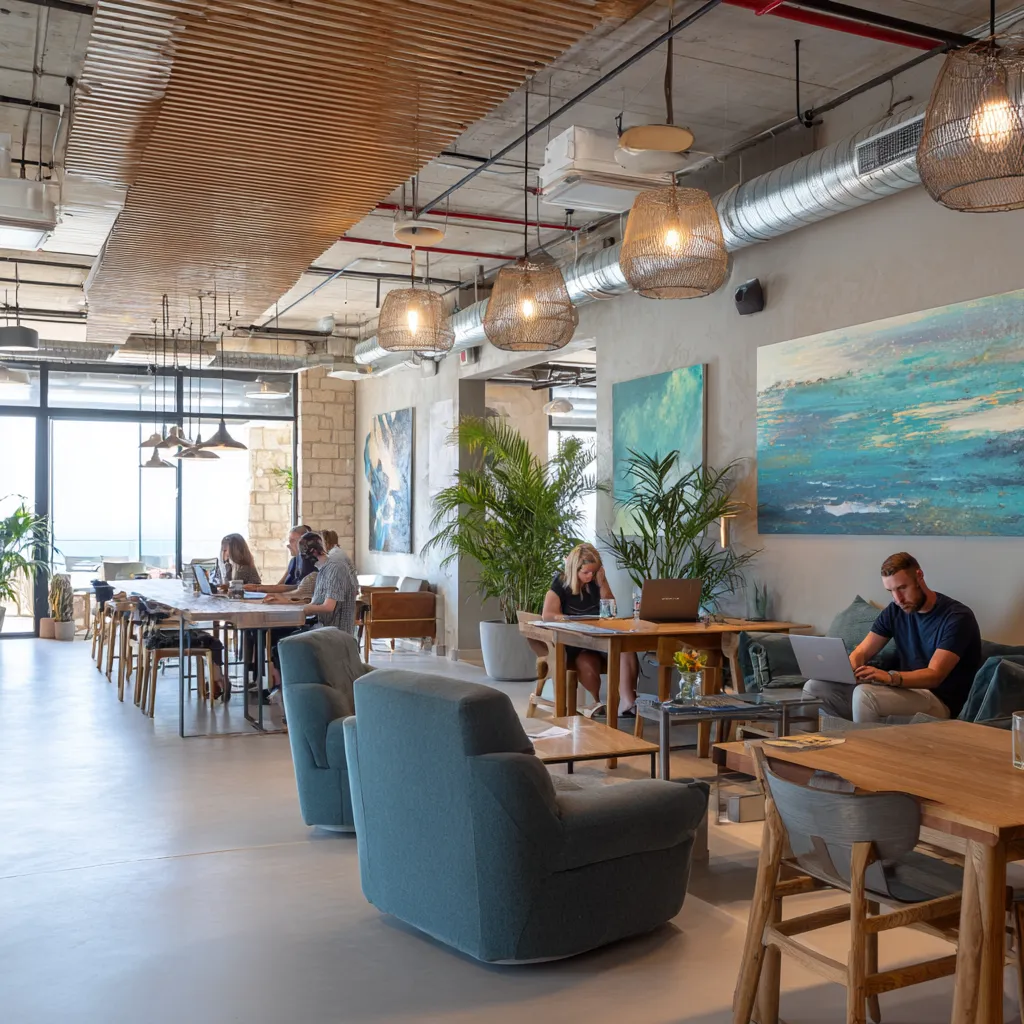
Rather than picking a name alone, compare spaces on four factors: connectivity, community, cost and access. A seafront Sliema space might win on lifestyle and networking, while a tech-focused hub near Msida could provide events, mentorship and easier access to junior developer hires.
If you frequently need to interview candidates, choose a space with private meeting rooms and reliable AV. If you’re a freelance dev taking client calls across time zones, 24/7 access and soundproof phone booths are crucial. Consider trial days at 2–3 spaces in different neighbourhoods before committing to a monthly plan.
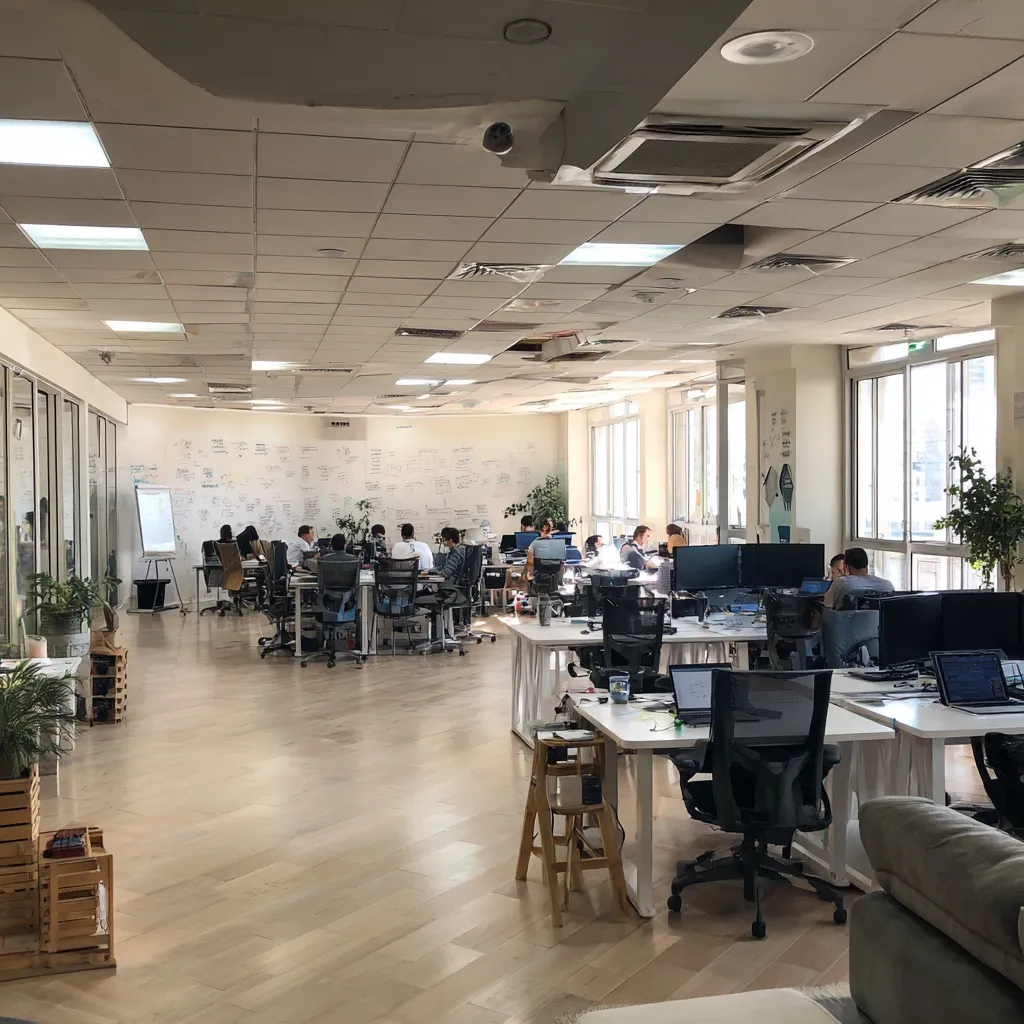
Use coworking communities to widen your Malta network: attend lunchtime talks, hack nights and developer meetups to meet engineers from iGaming, fintech or the public sector. Local Slack and Facebook groups often list pop-up coworking days and remote-friendly events.
Prepare for the first week: bring an adapter, test VPN and SSH access at the new desk, and set clear availability hours for clients. Respect local etiquette — Maltese workplaces are often relaxed but value punctuality for meetings and calls.
If you’re planning to live and freelance or work remotely from Malta, check the latest residency and visa options on official Maltese government sites or with your employer. Malta has schemes aimed at remote workers and digital nomads, but eligibility and conditions change, so verify with official sources.
EU citizens can work and live in Malta without a permit; non‑EU nationals should confirm whether their intended activity (remote work for a foreign company vs local employment) requires a permit or registration. When in doubt, speak to immigration authorities or a relocation specialist before signing long-term coworking contracts.
Explore more career advice and industry insights.
A practical guide to the best coworking options in Malta for remote developers, with location-focused picks, what to look for and …
A practical guide to the best coworking options in Malta for remote developers, with location-focused picks, what to look for and …
A practical guide to the best coworking options in Malta for remote developers, with location-focused picks, what to look for and …
Find your next opportunity.