

Malta Digital Nomad Visa: Requirements and Application Guide
A practical, Malta-focused guide to the digital nomad visa — who can apply, what to prepare, and how to settle in Valletta, Sliema…
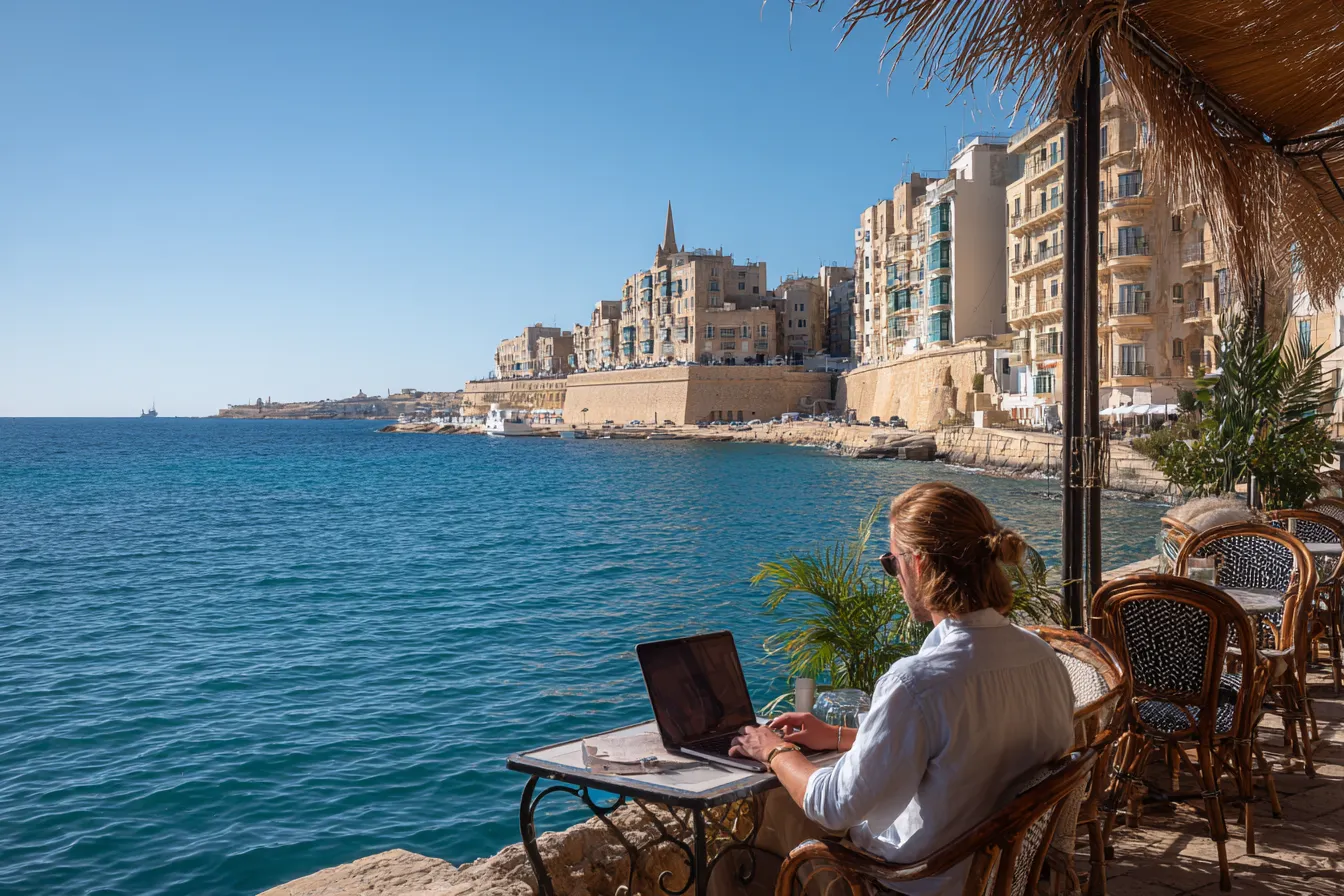
A practical, Malta-focused guide to the digital nomad visa — who can apply, what to prepare, and how to settle in Valletta, Sliema, St Julian’s and beyond.
Malta offers Mediterranean living with European convenience — ideal for remote workers who plan and register properly.
Don’t assume the same rules apply to EU and non-EU citizens; check Identity Malta and consult a tax advisor if you plan to stay longer.
Malta’s compact size, warm climate and English-speaking workplaces make it a popular base for remote workers who want Mediterranean living with EU convenience. The island has a vibrant mix of sectors — iGaming and finance hubs in St Julian’s and Sliema, tourism and hospitality across the coastline and increasingly active startup and shared-services communities in Msida and Birkirkara.
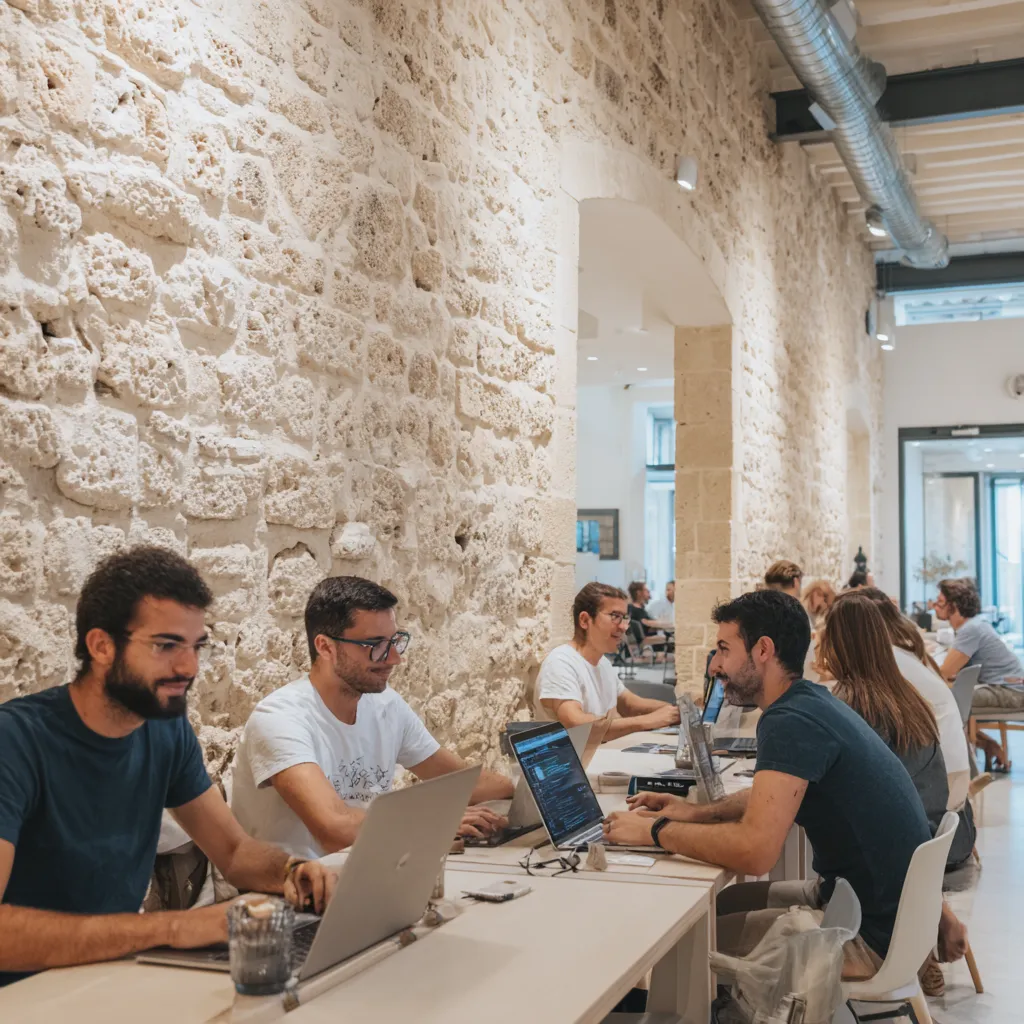
For digital nomads the benefits are practical: fast internet in urban centres, plenty of coworking spaces and cafes, and easy travel links to mainland Europe. That said, the island’s small job market and seasonal tourism rhythms mean nomads planning longer stays should research housing, costs and local communities ahead of time.
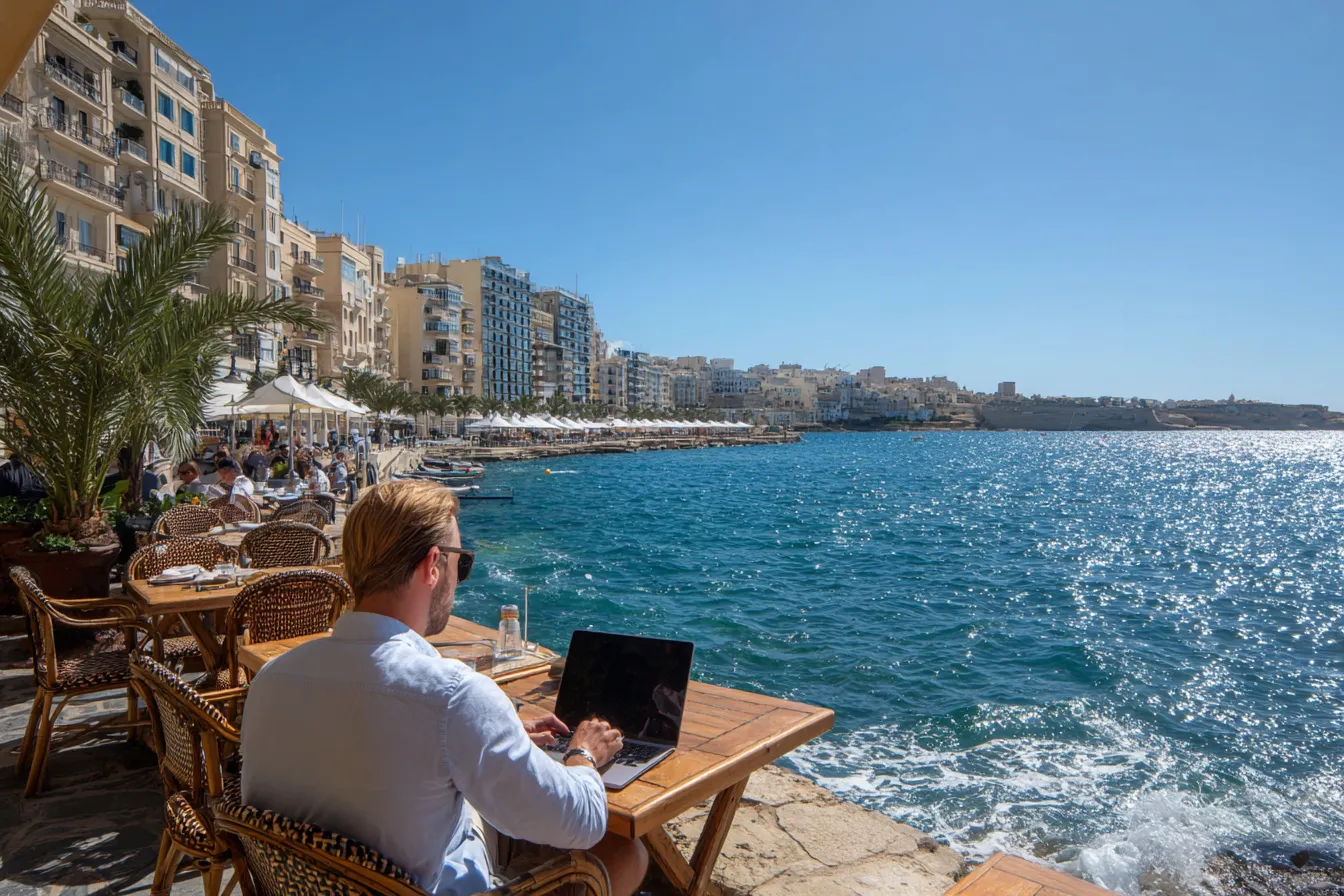
Digital nomad permit schemes vary by country; in Malta the general idea is to allow non-resident remote workers to live here legally while working for foreign companies or clients. EU citizens can live and work in Malta without a visa, while non-EU nationals will generally need a specific permit or visa depending on length and purpose of stay.
Eligibility commonly focuses on proving remote employment or freelance income, holding valid travel documents, adequate health insurance and having sufficient funds to support your stay. Because official criteria change, always check Identity Malta or the Maltese government site for the current rules and any fees or processing times.
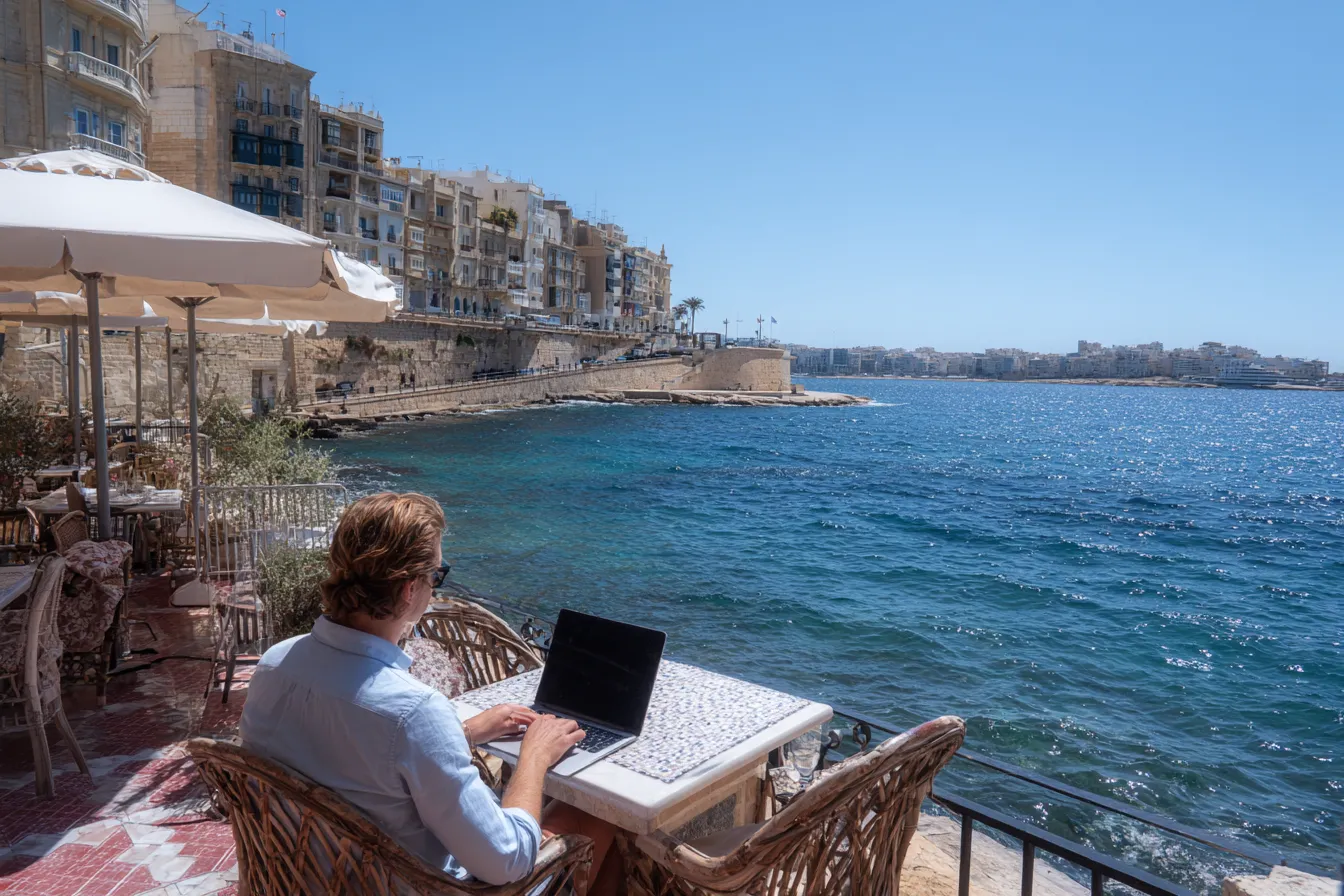
Start by gathering core documents so you can complete any online application quickly: passport bio-page, recent passport photos, proof of employment or freelance contracts, bank statements showing stable income, and comprehensive health insurance that covers your stay in Malta.
You will often need a signed declaration about your intention to work remotely for a foreign employer, and sometimes a letter from your employer confirming your remote status. Beyond the essentials, prepare proof of accommodation (short-term booking or lease) and a background check where required.
Remember not to rely on this list as a legal checklist — requirements change and specific documents, translations or apostilles may be requested. Always verify with Identity Malta or the Maltese consulate closest to you.
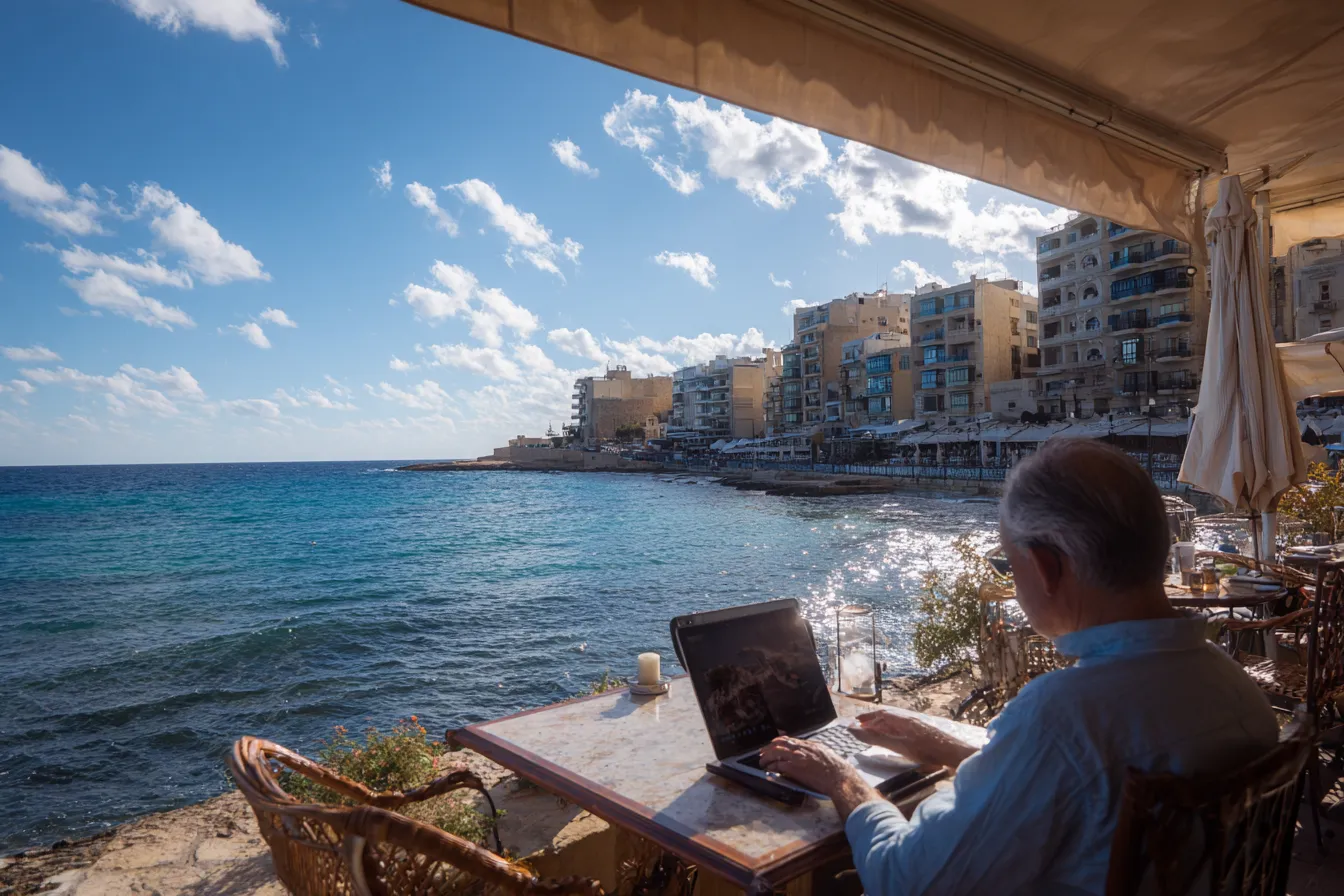
Choose your base according to lifestyle: St Julian’s and Sliema offer lively nightlife, cafes and coworking spaces popular with nomads; Valletta gives history, museums and a compact city core; quieter options and lower rents exist inland in Birkirkara, Mosta and parts of Gozo. For dependable internet and a community feel, look into Msida and certain Sliema neighbourhoods.
Budget realistically: rental costs around the main tourist and business hubs can be higher, especially in peak season. Factor in utilities, internet, groceries and occasional taxi or public transport fares. Maltese workplaces typically operate during standard European hours but many remote workers find flexible schedules are common, particularly in tech and iGaming.
Network locally: join coworking spaces, attend meetups in St Julian’s or Valletta and use local Facebook groups or LinkedIn to find fellow nomads and professionals. Learning a few Maltese phrases is appreciated but English suffices for most day-to-day interactions and business.
30 days: confirm visa/permit requirements and submit your application or registration; book short-term accommodation in the area you’re testing; set up essential services like SIM/internet and open a local bank account if needed.
60 days: settle into a longer-term rental, register with any local authority obligations (if applicable), visit a tax advisor to understand residence and tax implications of your stay, and join professional networks.
90 days+: if you plan a longer stay, ensure your permit status and tax residency are clear. Keep documentation of income and days spent in Malta in case you need to demonstrate non-residence for tax or permit purposes.
Common mistakes include assuming EU/non-EU rules are the same, underestimating living costs in peak season, and not checking the most recent official guidance before applying. Always consult official government resources or a qualified advisor for complex questions on residency and tax.
Explore more career advice and industry insights.
A practical, Malta-focused guide to the digital nomad visa — who can apply, what to prepare, and how to settle in Valletta, Sliema…

A practical, Malta-focused guide to the digital nomad visa — who can apply, what to prepare, and how to settle in Valletta, Sliema…
A practical, Malta-focused guide to the digital nomad visa — who can apply, what to prepare, and how to settle in Valletta, Sliema…
Find your next opportunity.