
Diversity and Inclusion in the Maltese Tech Sector
A Singapore writer’s look at diversity and inclusion in the Maltese tech sector — comparisons, lessons for employers, and communit…

A Singapore writer’s look at diversity and inclusion in the Maltese tech sector — comparisons, lessons for employers, and community-minded ideas that resonate from hawker centres to co‑working hubs.
In small tech markets, inclusion isn't a luxury — it's a survival strategy that widens the talent pool.
Treat onboarding like hospitality: invite new hires in the same way you would bring guests to a favourite hawker stall.
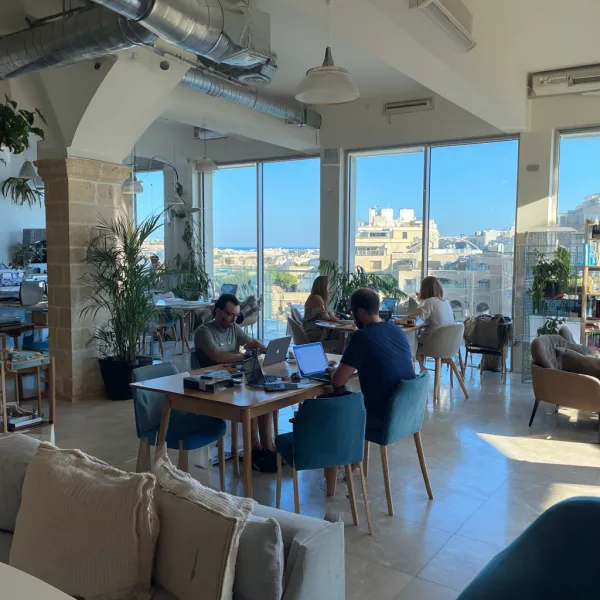
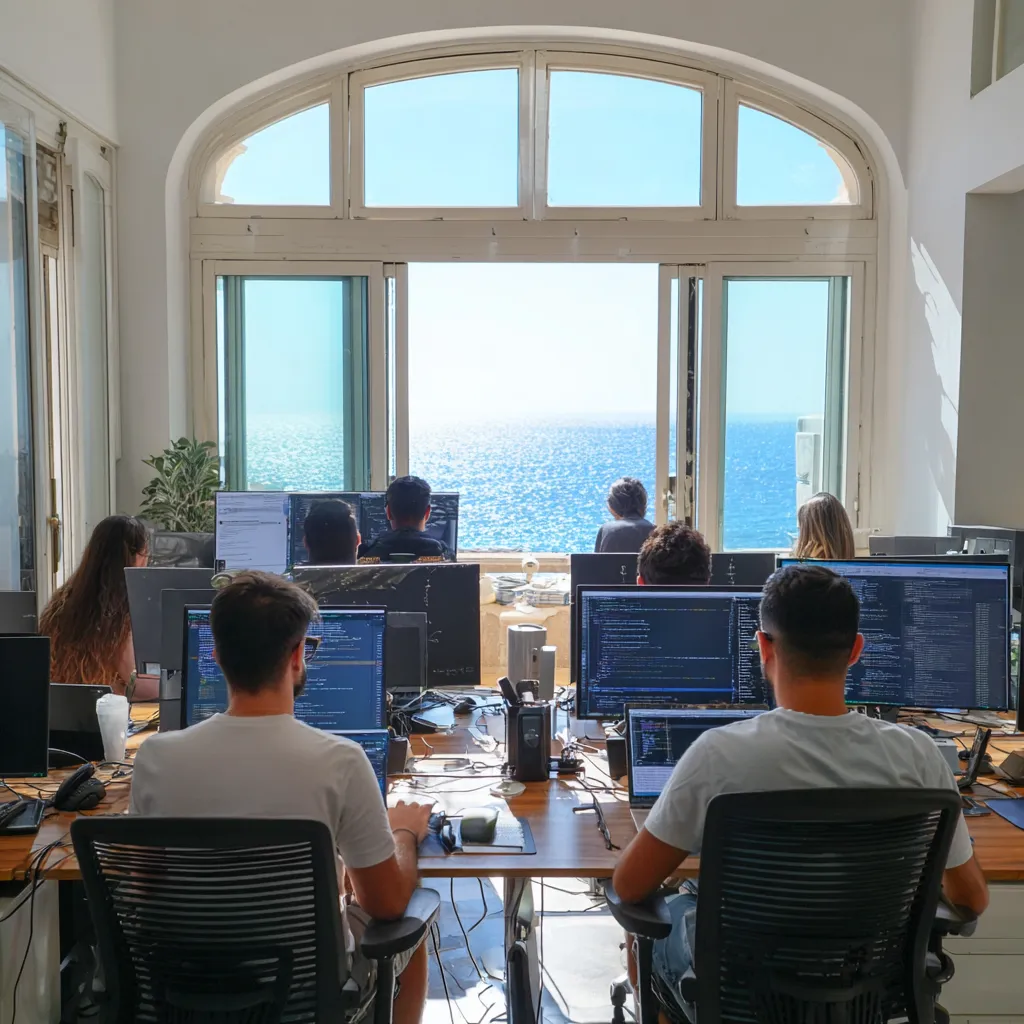
Malta is a small island with an outsized tech ambition — fintech, gaming and blockchain firms have put Valletta and St. Julian’s on the map. For Singaporeans watching global talent flows, Malta’s experiments with diversity and inclusion offer practical contrasts to our own multicultural workplace debates.
Singapore’s tech scene, from CBD offices to co-working hubs in Tiong Bahru and Bugis, shares similarities with Malta: compact talent pools, high reliance on international hires, and intense competition for specialised roles. That makes Malta a useful case study rather than a distant curiosity.

Both Malta and Singapore face familiar barriers: limited local graduate pipelines for niche roles, language and cultural onboarding issues, and the risk that hiring remains network-driven rather than meritocratic. In Malta this shows up in a tight-knit tech social scene; in Singapore it can be seen in hiring circles clustered around certain universities and incubators.
On the flip side, small size breeds flexibility. Maltese startups can iterate policies quickly; Singapore firms can too, and many already borrow community-minded practices from the hawker centre model — simple, open, low-cost spaces that foster cross‑community interaction.

Inclusion starts before the job offer: clear role descriptions that separate must-haves from nice-to-haves reduce unconscious bias and widen the candidate pool. Malta has piloted anonymised CV screening in some hubs; Singapore startups can adapt this with straightforward checklists.
Onboarding matters just as much as hiring. Buddy systems, language-friendly documentation, and small-group social rituals (think team makan at a hawker centre) help new hires acclimatise faster and feel part of the company culture.

Singapore’s hawker centres are an apt metaphor: low-cost, accessible public spaces where people of different backgrounds meet, share food and exchange ideas. Malta’s equivalent may be cafés in Sliema or Valletta’s public gardens — the physical places where informal mentoring and hiring conversations start.
Tech inclusion initiatives work best when paired with community rituals. Regular meetups, lunchtime knowledge shares, and mixed-ability mentorship schemes create the informal touchpoints that a formal policy alone cannot.
Whether you’re recruiting in Valletta or the CBD in Singapore, a pragmatic checklist keeps inclusion actionable. The steps below are inexpensive, high-impact and transferrable between islands.
Explore more career advice and industry insights.
A Singapore writer’s look at diversity and inclusion in the Maltese tech sector — comparisons, lessons for employers, and communit…

A Singapore writer’s look at diversity and inclusion in the Maltese tech sector — comparisons, lessons for employers, and communit…
A Singapore writer’s look at diversity and inclusion in the Maltese tech sector — comparisons, lessons for employers, and communit…
Find your next opportunity.