
Renting in Malta: A Guide to Sliema, St. Julians and Gzira
A practical, Singapore-friendly guide to renting in Malta’s Sliema, St. Julian's and Gzira — neighbourhood vibes, typical costs an…
A practical, Singapore-friendly guide to renting in Malta’s Sliema, St. Julian's and Gzira — neighbourhood vibes, typical costs and expat tips for a smooth move.
Sliema for daytime cafés, St. Julian’s for nightlife — Gzira if you want better value and quieter streets.
Treat contracts like you would back home: read the fine print and photograph the inventory.
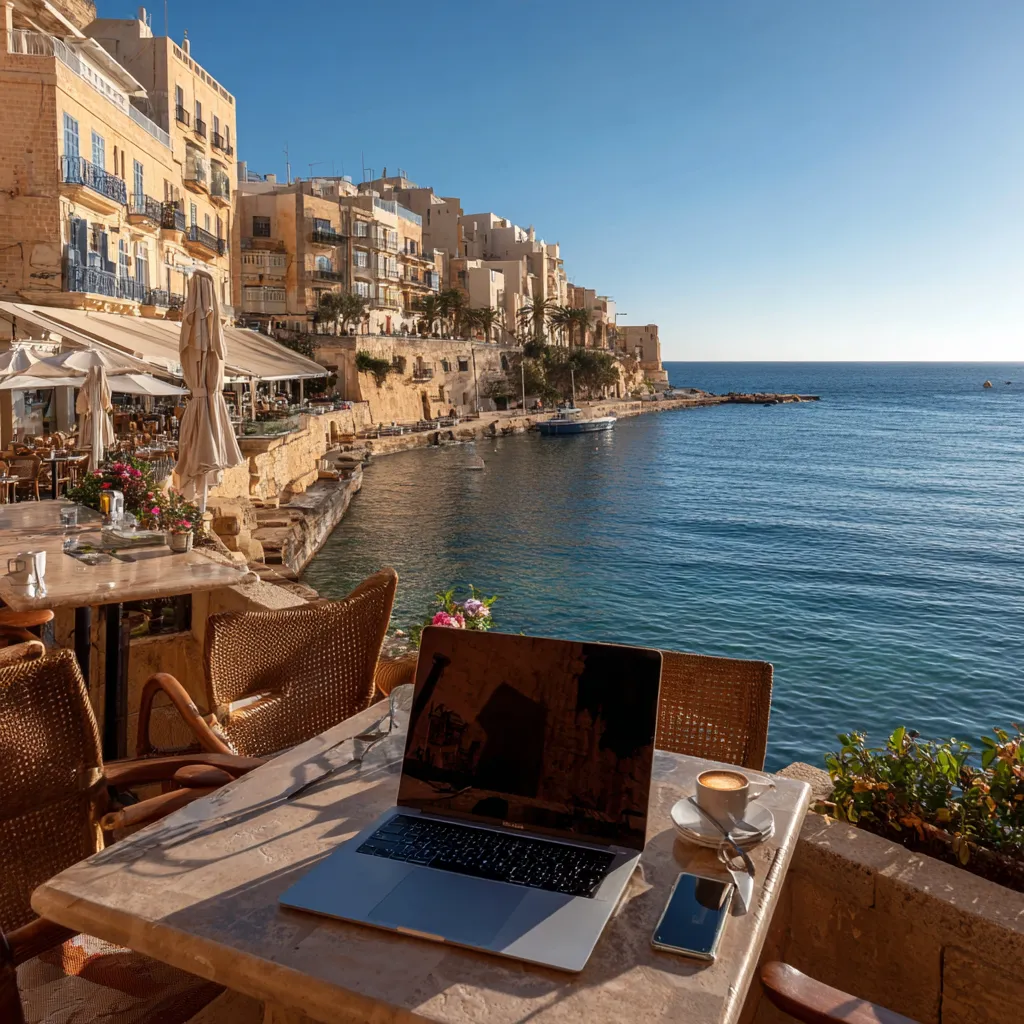
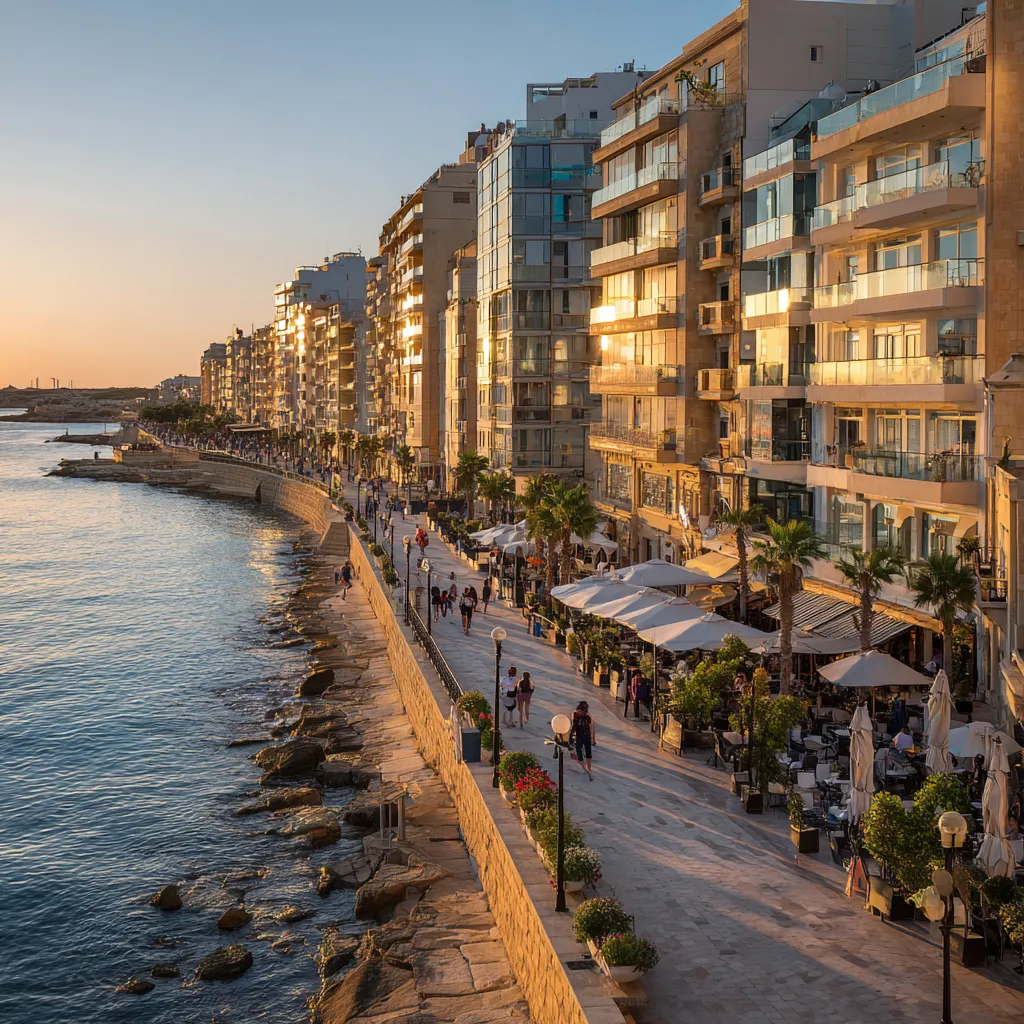
If you’re hunting for a base in Malta — whether as a digital nomad, student or family — Sliema, St. Julian’s and Gzira form a convenient, well-connected trio on the northeast coast. They offer a mix of seafront promenades, cafés, supermarkets and easy ferry or bus links to Valletta and the rest of the island.
For travellers from Singapore, the neighbourhoods feel familiar in one way: a strong daytime café and retail culture, coupled with a lively evening scene (especially in St. Julian’s). English is an official language in Malta, which smooths the renting process for expats.
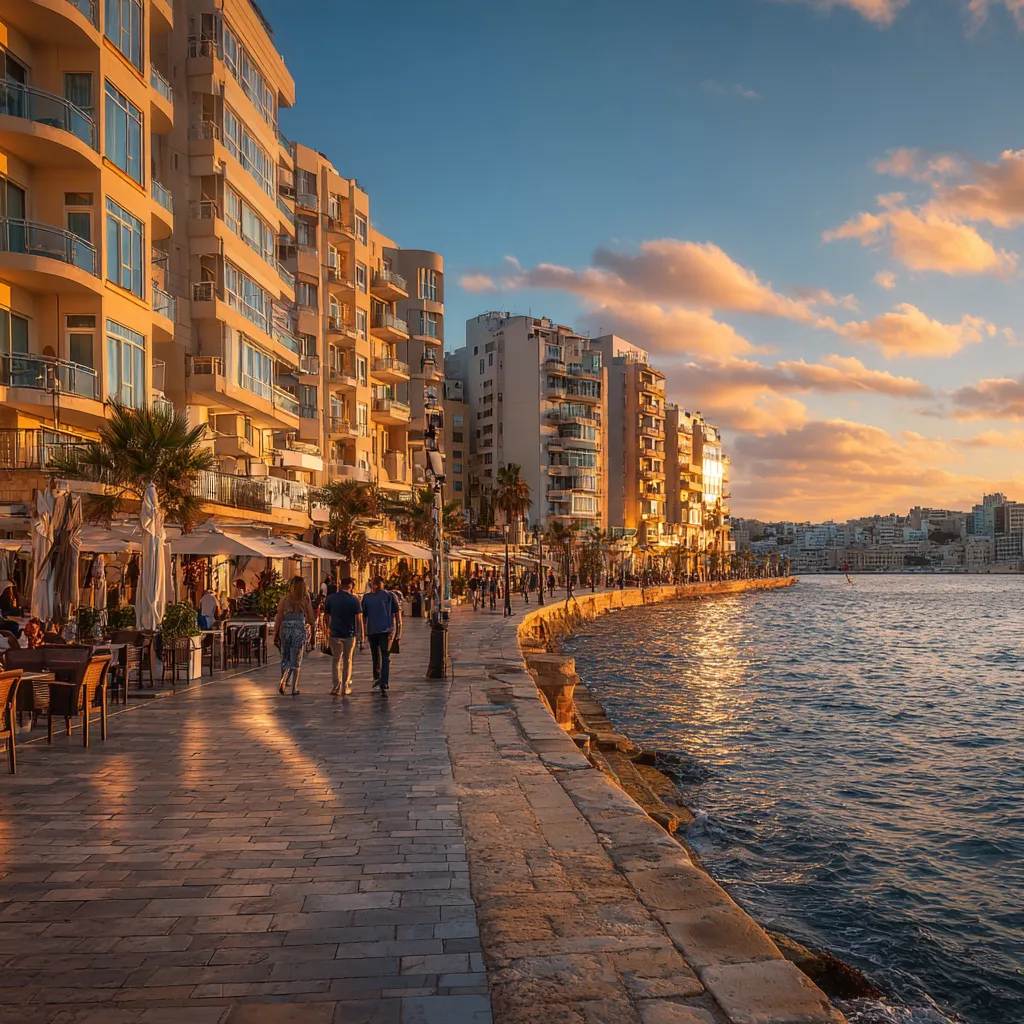
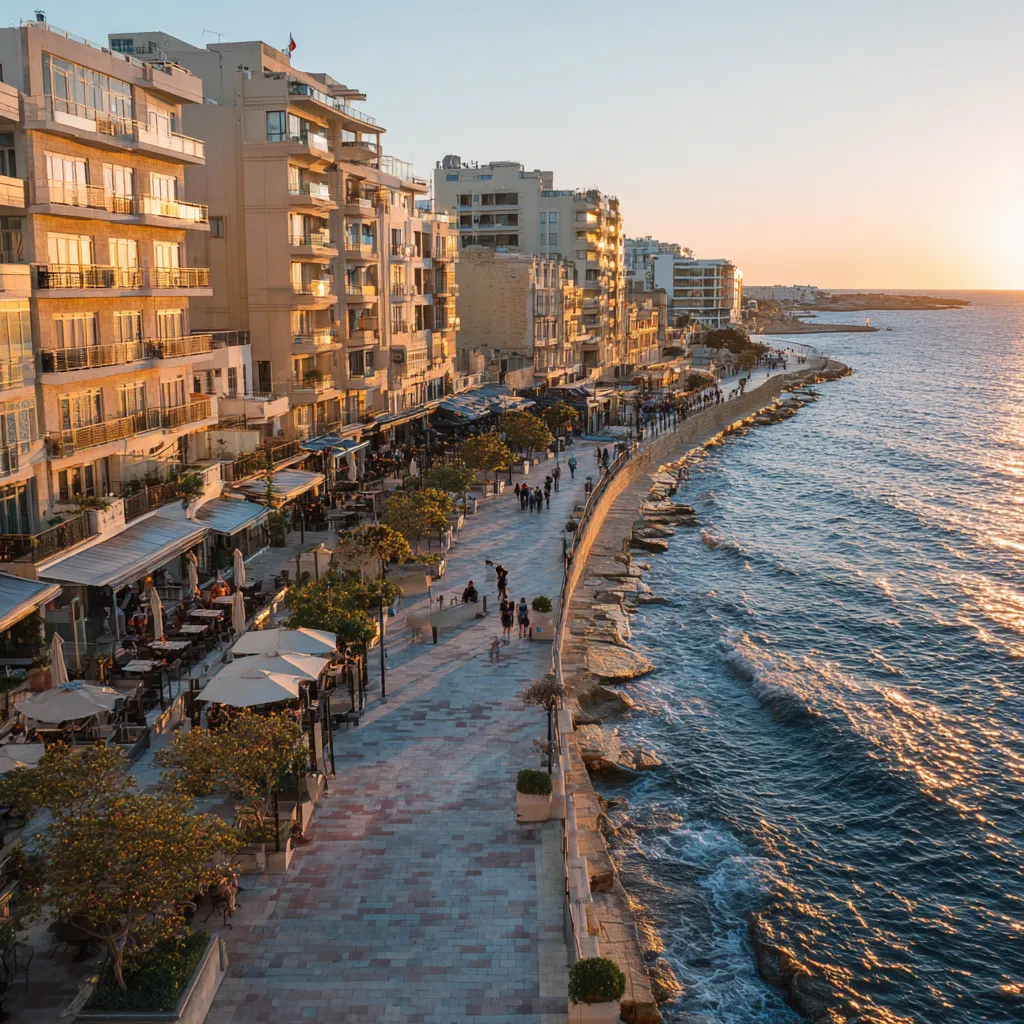
Sliema is beloved for its long promenade (the 'strand'), shopping streets and a dense cluster of apartments — many with small balconies and sea glimpses. It’s ideal if you want a mix of conveniences: supermarkets, clinics, gyms and cafés within walking distance.
Commuting to Valletta is straightforward by ferry or bus, and the area attracts a healthy mix of families, retirees and professionals. Rents vary depending on how close you are to the seafront and whether the flat is modernised.
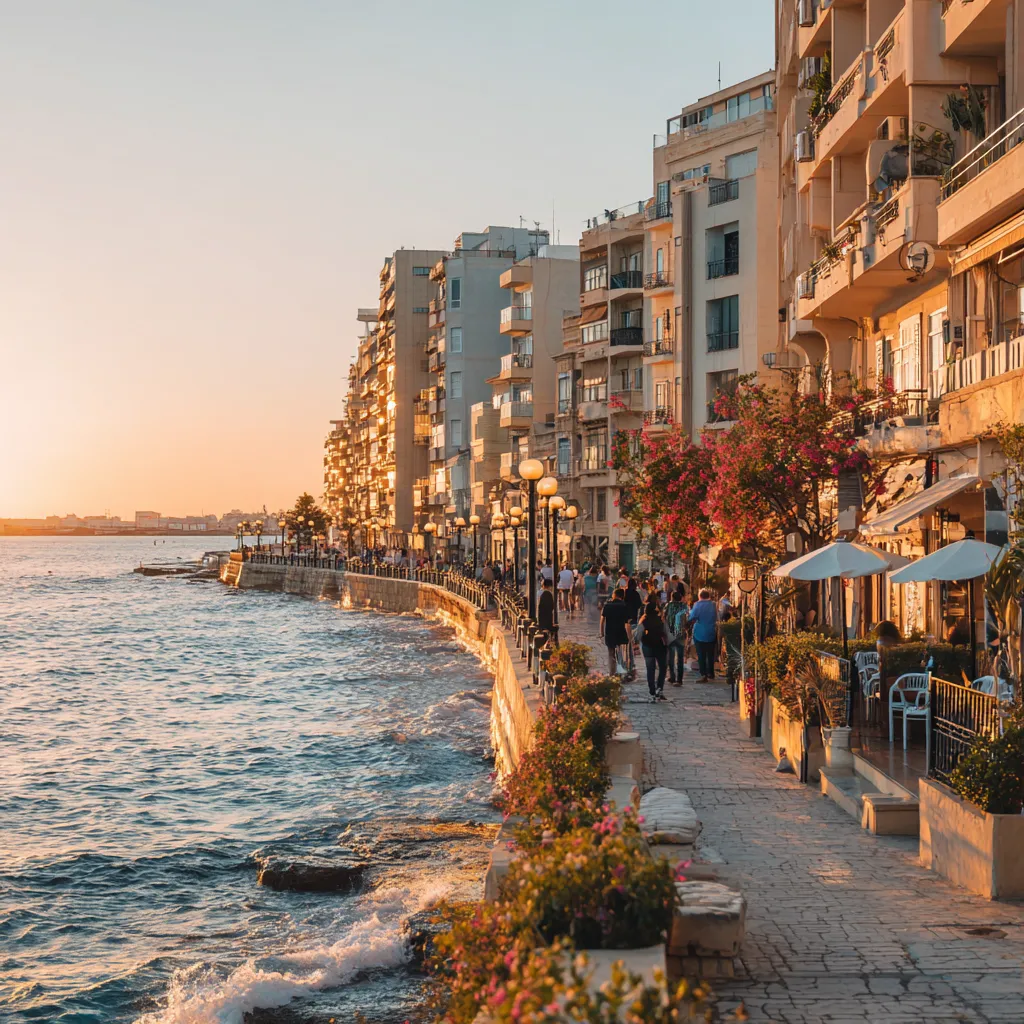
If you want a livelier scene, St. Julian’s (especially Paceville) is the island’s nightlife and entertainment hub. Expect bars, restaurants and late-night options. The area also hosts many serviced apartments popular with short-term expats and couples.
For families or quieter stays, look at the parts of St. Julian’s that border Spinola Bay — here the vibe is more relaxed with a good selection of restaurants and a scenic waterfront.
Gzira sits between Sliema and Msida and is often quieter and more affordable. It’s popular with students and young professionals because of its proximity to the University of Malta and the ferry/harbour services.
The neighbourhood offers a more neighbourhood feel — local markets, a handful of cafés and easy access to the inner harbour. Many expats choose Gzira when they want shorter commutes and better value.
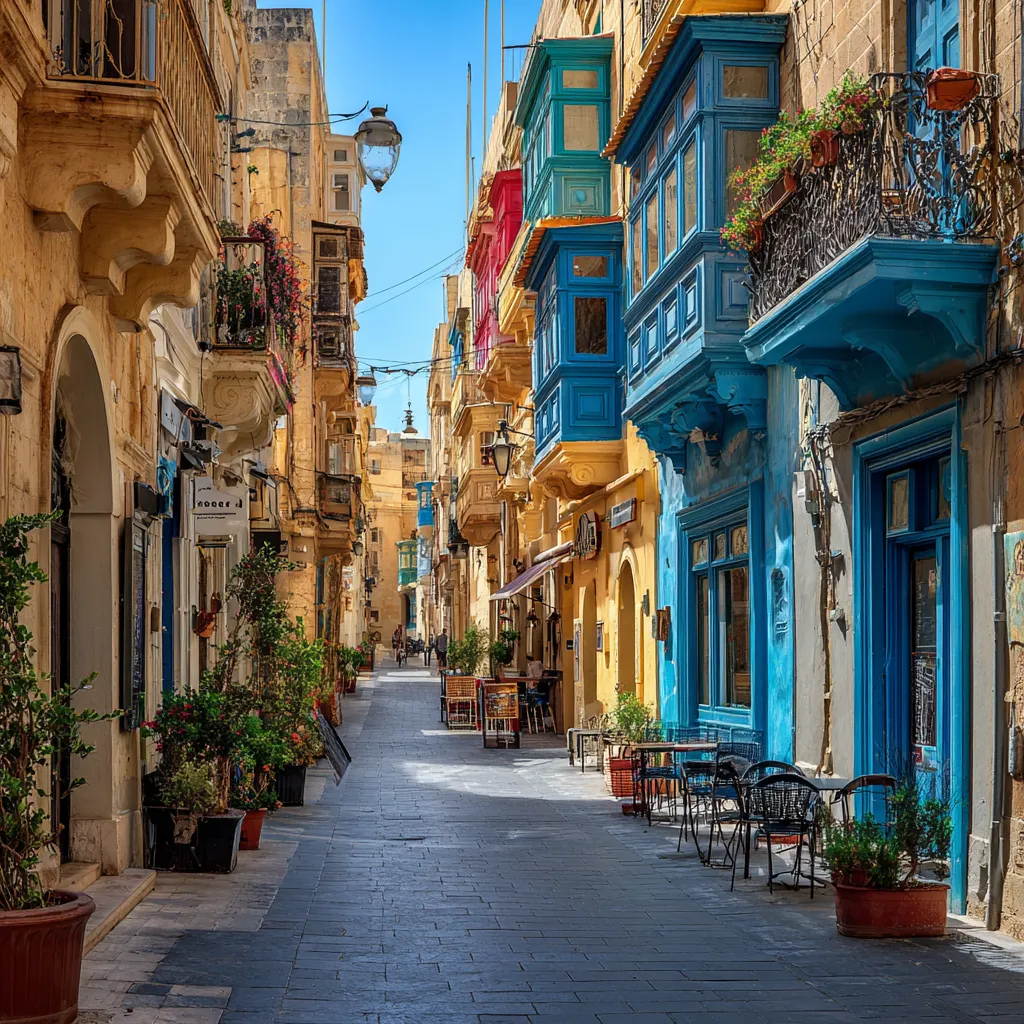
Tenancy contracts in Malta are commonly 1+1 year terms (with the second year optional) and are written in English. Expect to pay a security deposit (usually one to two months’ rent) and the first month in advance. Agency fees vary: some landlords advertise privately, others list with agents who charge a commission.
Monthly rents depend on size and location: a one-bedroom near the promenade will cost more than a similar flat tucked inland in Gzira. Utility bills (electricity, water, TV/internet) are often separate and electricity can be a significant expense in summer due to air-conditioning.
Documentation typically includes ID/passport, proof of income or employment, and a reference from a previous landlord if available. For Singaporeans used to streamlined leases, be prepared to read clause-by-clause and ask for translations or clarifications if anything is unclear.
Bring a flexible mindset. Malta is smaller than Singapore, with a slower pace for red tape — utility connections or minor maintenance can take a few days longer. Always get receipts and keep written records of agreements.
Book at least one viewing in person when possible. Photos can be misleading: ask about insulation, noise levels, and sunlight (Malta gets intense sun in summer). If you rent sight-unseen, use a trusted agent and insist on a clear contract detailing inventory and deposit terms.
Explore more career advice and industry insights.
A practical, Singapore-friendly guide to renting in Malta’s Sliema, St. Julian's and Gzira — neighbourhood vibes, typical costs an…
A practical, Singapore-friendly guide to renting in Malta’s Sliema, St. Julian's and Gzira — neighbourhood vibes, typical costs an…
A practical, Singapore-friendly guide to renting in Malta’s Sliema, St. Julian's and Gzira — neighbourhood vibes, typical costs an…
Find your next opportunity.