
The Future of Fintech in Malta: 2026 Outlook
An expert 2026 outlook on how Malta's fintech scene is evolving, where the jobs will be, and practical advice for professionals an…

An expert 2026 outlook on how Malta's fintech scene is evolving, where the jobs will be, and practical advice for professionals and newcomers targeting fintech roles across Valletta, Sliema, St Julian’s and beyond.
Fintech in Malta is moving from niche experiments to stable, regulated services — that means more durable careers in engineering, compliance and product.
Local language skills help, but clear evidence of payments or AML experience is often the deciding factor in hiring.
Malta's fintech sector has matured beyond headline-grabbing blockchain stories into a diverse ecosystem of payments firms, regtech, digital banking startups and tech-enabled shared-service centres. For a small island economy, fintech offers high-value jobs that sit between iGaming, finance and professional services.
Employers in Valletta, Sliema, St Julian’s and Mriehel are increasingly hiring for roles that blend compliance, engineering and product skills. The result: a market where hybrid and remote work patterns coexist with traditional office hubs and where local graduates and expat professionals both find opportunities.
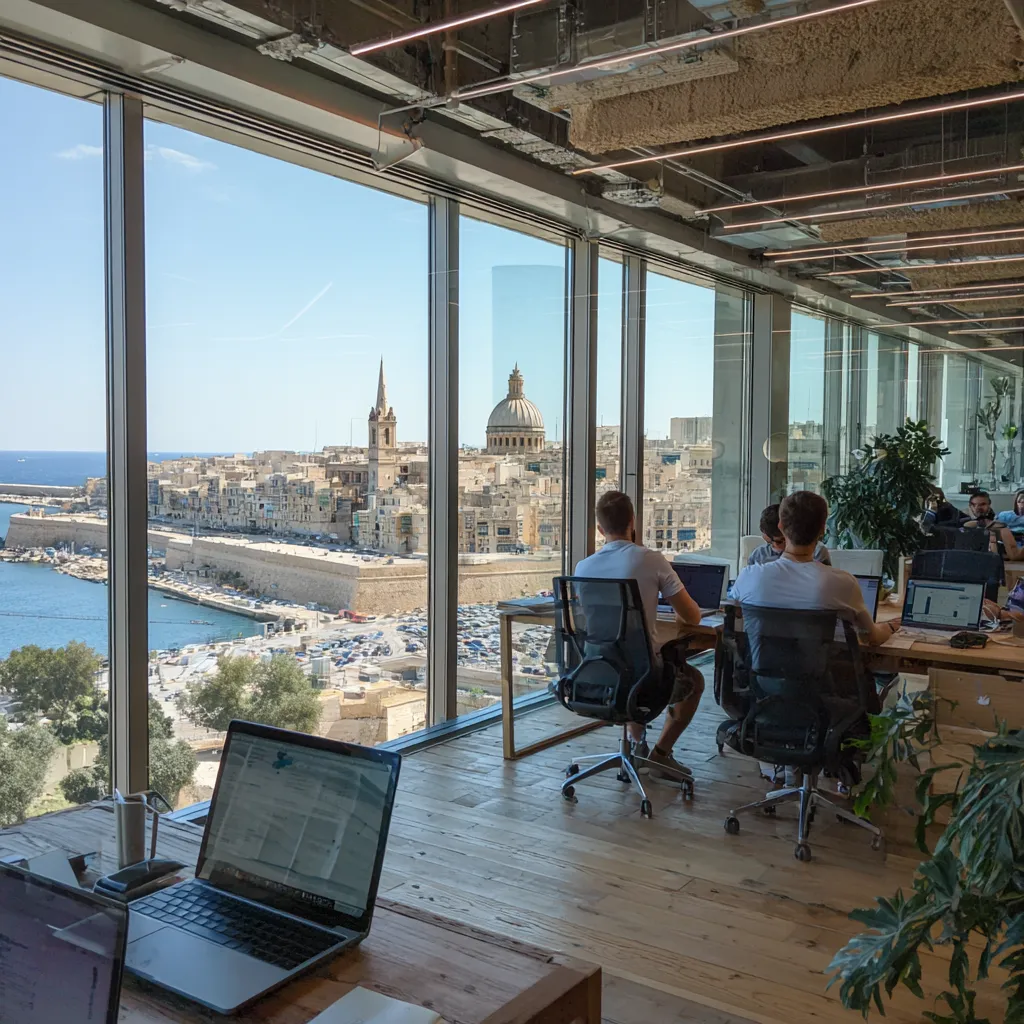
Fintech jobs are clustered around business districts and tech parks: Valletta and the central business district host many compliance and payments teams, Sliema and St Julian’s have fintech sales and partnerships roles, while Mriehel and SmartCity attract engineering teams and shared-service centres.
Beyond city hubs, smaller firms and startups on the outskirts and in Gozo are creating niche roles in crypto compliance, regtech and payments integration. Recruiters often source talent from the University of Malta (Msida) and from Malta’s strong pool of multilingual candidates.

Technical roles (backend engineers, blockchain developers, data engineers) remain crucial, but 2026 hiring emphasises hybrid skill sets: engineers who understand payments rails, product managers with AML/regtech awareness, and data analysts who can translate metrics into business decisions.
Soft skills such as stakeholder communication, English fluency and cross-cultural teamwork are essential in Malta’s multilingual workplaces. For compliance-heavy roles, knowledge of AML/KYC practices and experience with regulatory filings will stand out — but always validate requirements with the hiring company.

Local recruiters and hiring managers appreciate concise CVs that highlight measurable outcomes: transaction volumes managed, compliance programs implemented, or product metrics improved. Include specific technologies (e.g., AWS, Kubernetes, Python, SQL) and any fintech platforms you’ve worked with.
Cover letters should be short and targeted: mention why you’re interested in Malta specifically (e.g., EU market access, Mediterranean lifestyle, or proximity to financial hubs) and reference any local ties or availability to attend interviews in person if required.
EU citizens can generally work in Malta without a permit; non-EU candidates usually require employer-sponsored work permits or residence permits — always check official sources such as Jobsplus and Identity Malta for current guidance. Employers often help with relocation packages for senior hires.
A practical 30–90 day plan: month one — research employers, update CV, apply selectively and join local fintech meetups; month two — schedule interviews, prepare case studies or technical tests, and shortlist relocation questions; month three — negotiate offers, confirm work-permit support and plan arrival logistics (housing in Sliema/St Julian’s or commuting from Mosta/Birkirkara).
Explore more career advice and industry insights.
An expert 2026 outlook on how Malta's fintech scene is evolving, where the jobs will be, and practical advice for professionals an…

An expert 2026 outlook on how Malta's fintech scene is evolving, where the jobs will be, and practical advice for professionals an…
An expert 2026 outlook on how Malta's fintech scene is evolving, where the jobs will be, and practical advice for professionals an…
Find your next opportunity.