

Understanding GDPR Compliance for Marketers in Malta
A practical Malta-focused guide that explains GDPR basics for marketers, compliance steps for local teams and agencies, and how to…
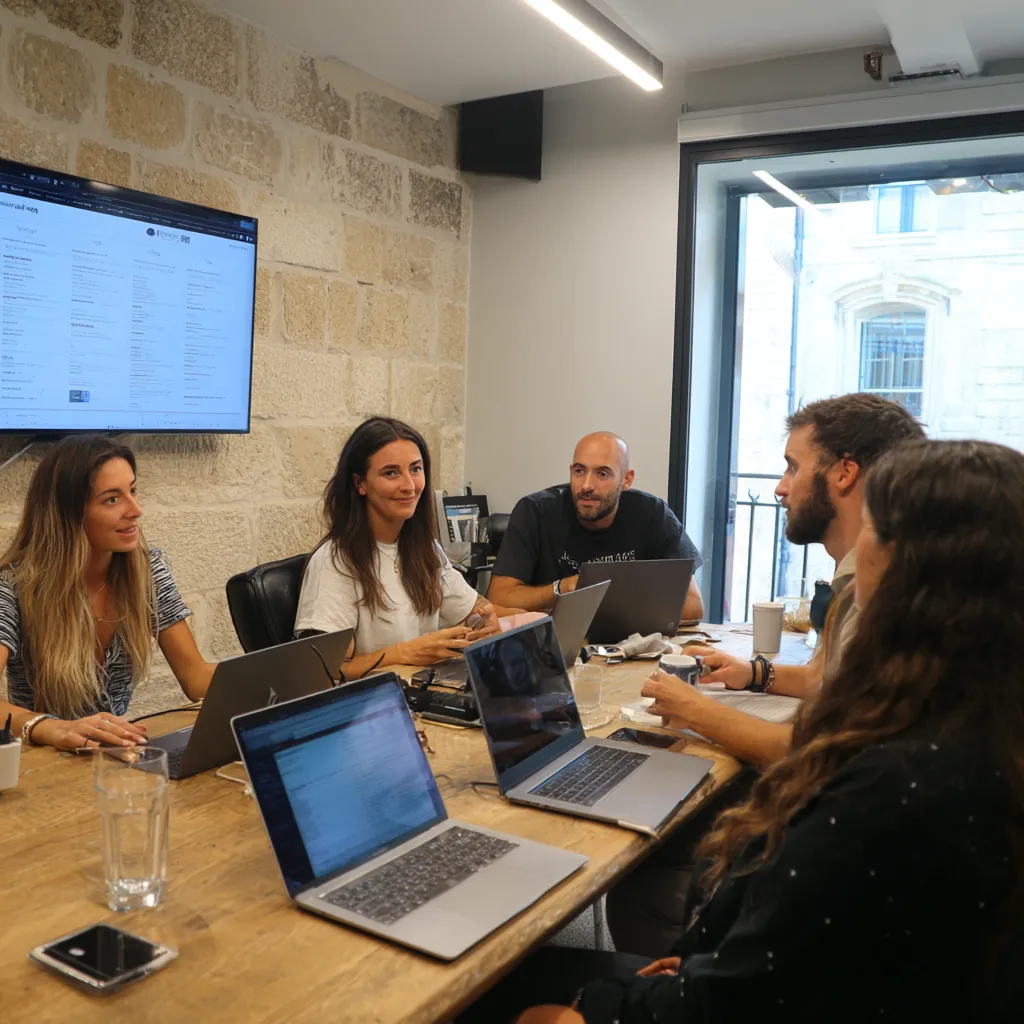
A practical Malta-focused guide that explains GDPR basics for marketers, compliance steps for local teams and agencies, and how to highlight privacy skills when job-hunting in Malta.
In Malta's close-knit market, getting GDPR right isn't just legal compliance — it's part of building trust that wins long-term customers.
Practical privacy: map your data, document decisions and keep your marketing simple and transparent.
GDPR isn't just a legal checkbox — for marketers in Malta it shapes how you design campaigns, collect leads and build trust with customers across the EU and locally. With hubs in St Julian's, Sliema and Valletta hosting iGaming, finance, tourism and shared-service employers, marketing activities often reach EU citizens and fall squarely under GDPR.
On a practical level, compliance reduces risk (fines, reputational damage) and improves campaign quality: cleaner data, higher engagement and fewer unsubscribes. Small island job markets like Malta also rely on word-of-mouth and industry reputation, so getting privacy right can be a competitive advantage for both in-house teams and agencies.

There are a few headline principles that guide everyday marketing: lawfulness (you need a legal basis to process data), purpose limitation (use data only for stated purposes), data minimisation (collect only what you need), transparency (clear privacy notices) and storage limitation (don’t keep data longer than necessary). These apply whether you work for an iGaming operator in Msida or a boutique tourism agency in Gozo.
Practical examples: if you run a newsletter you’ll typically rely on consent or legitimate interest — but you must document which basis you used and keep records. If you profile users for personalised ads, consider how that affects transparency and opt-out mechanisms.

Use this checklist as a starting point for campaigns and everyday operations. Small teams in Birkirkara or startups in Mosta will find a straightforward checklist easier to adopt than a long legal manual.
For larger employers — for example finance or iGaming firms with complex data flows — treat this as minimum compliance and work with your DPO or legal team to build detailed procedures.

Many Malta-based marketers work with agencies, ad networks and cloud providers. Under GDPR the controller (often your employer) remains responsible for the data — but processors must also meet obligations. Use written contracts that set security, sub-processing and deletion rules.
When hiring external partners in Malta or abroad, check their data handling practices, encryption, and whether they use subprocessors. For non-EU providers, explore transfer tools like standard contractual clauses and ask your internal compliance team for guidance.

If you’re applying for marketing roles in Malta — from junior roles in St Julian’s hospitality firms to senior compliance-focused positions in iGaming — highlight GDPR-relevant skills. Employers value candidates who can combine creative campaign work with privacy-aware data handling.
On your CV and in interviews, give concrete examples: a signup flow you redesigned to improve consent rates, a campaign where you removed unnecessary data fields and improved open rates, or training you delivered to colleagues. Mention familiarity with tools (CRM, tag managers), working with DPOs, and experience documenting data processes.
Explore more career advice and industry insights.
A practical Malta-focused guide that explains GDPR basics for marketers, compliance steps for local teams and agencies, and how to…

A practical Malta-focused guide that explains GDPR basics for marketers, compliance steps for local teams and agencies, and how to…

A practical Malta-focused guide that explains GDPR basics for marketers, compliance steps for local teams and agencies, and how to…
Find your next opportunity.