
The Ultimate Guide to Relocating to Malta for Tech Professionals
A practical guide for Singapore-based tech professionals thinking of relocating to Malta, with clear steps on visas, neighbourhood…
A practical guide for Singapore-based tech professionals thinking of relocating to Malta, with clear steps on visas, neighbourhoods, cost of living and settling-in tips from a Singapore perspective.
Malta feels like a compact European startup scene — small, fast to network in, and surprisingly English-friendly.
Treat your first month as admin-heavy: visas, bank accounts and housing take priority — friends and weekend trips come after.
Malta has quietly become a hub for niche tech — from blockchain startups to gaming studios and regional SaaS operations. For Singapore-based engineers, product managers and founders, Malta offers EU market access, English as an official language, and a lower cost of living compared with many European capitals.
The island’s compact size (you can commute coast-to-coast in under an hour) makes it easy to meet clients, join meetups and balance work-with-life in a way many Singaporeans will find refreshingly relaxed.
Think of Malta as combining the convenience of a small city-state (somewhat like Singapore’s island scale) with European work-life norms: a different tempo, but familiar bureaucratic touchpoints for Singapore expats who have moved before.
Your first stop is determining your nationality status: EU/EEA citizens have freedom of movement; non-EU nationals (including Singaporeans) will typically require a work permit, an employment licence or a Nomad / Digital Nomad visa depending on your plans.
For employed roles, employers usually sponsor a Single Permit (combines work and residence). If you’re contracting or freelancing, look into the Temporary Residence Permit for self-employed persons or the Nomad Residence Permit which some tech workers prefer for remote-first roles.
Start the process early: document checks (police clearance, health insurance, employment contract) and translations can take several weeks — plan at least 2–3 months before your intended move date.
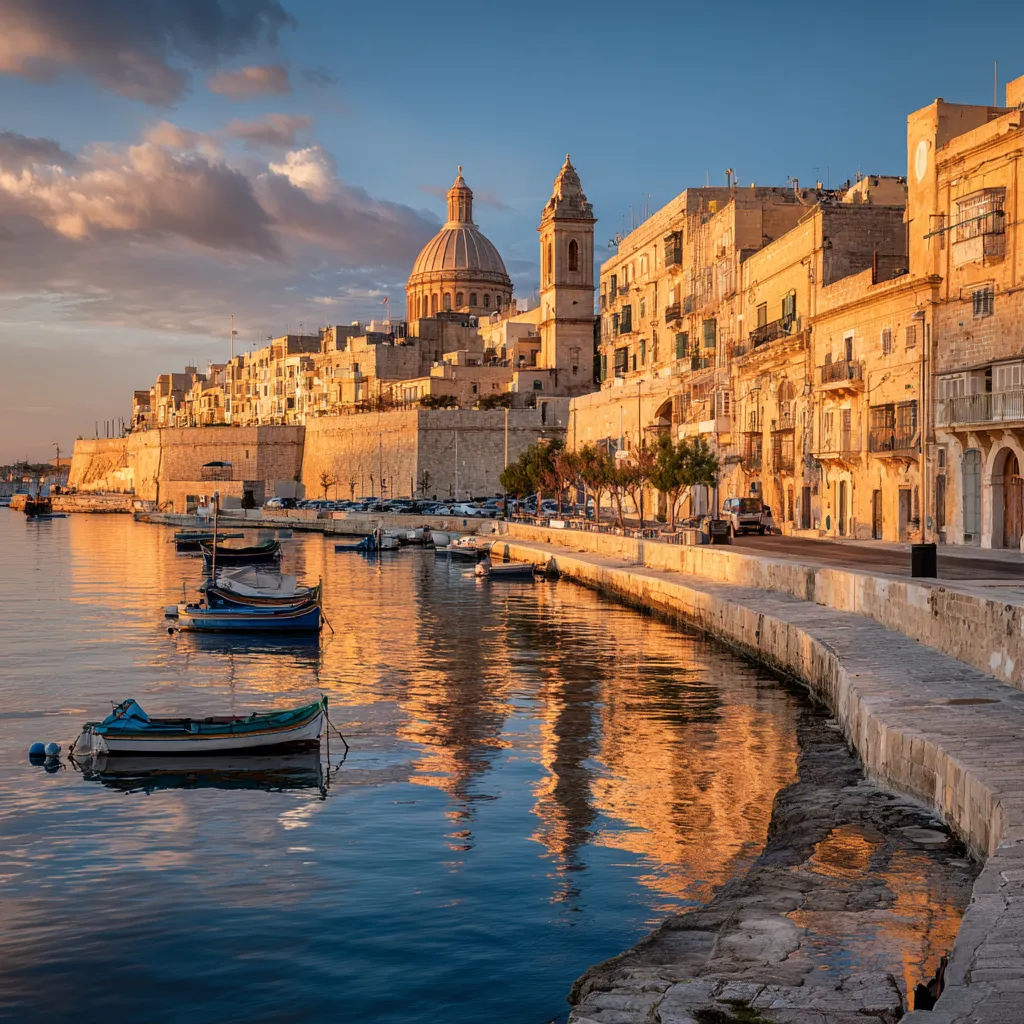
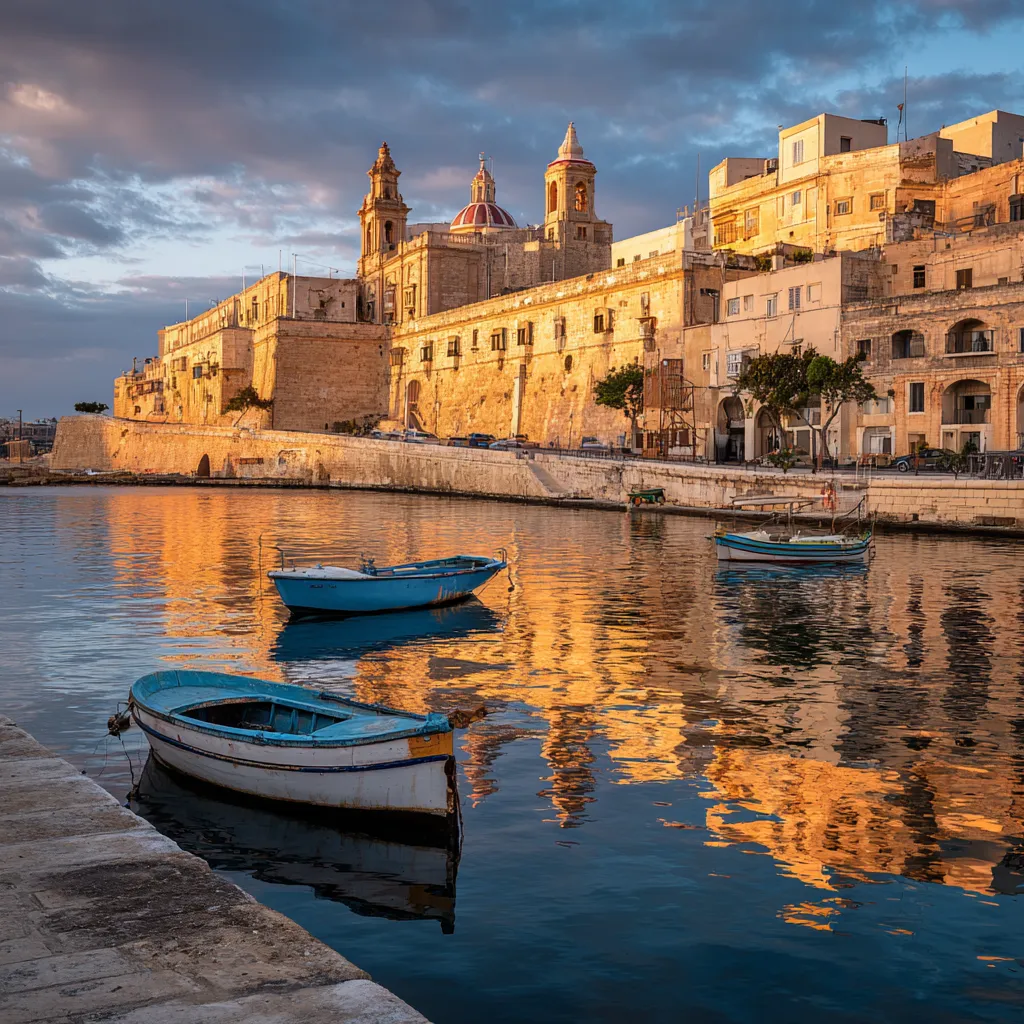
Popular expat hubs include Sliema and St. Julian’s for coastal living, Valletta for central city character, and the quieter northern towns like Mellieħa for families. Each area has a different feel: St. Julian’s is lively and nightlife-forward, Sliema is shopping-and-promenade focused while Valletta offers heritage streets and easy access to government offices.
Housing stock leans heavily on older limestone buildings and mid-rise apartment blocks. Expect smaller apartments compared with typical Singapore HDB sizes, but many come furnished. Rents vary — St. Julian’s and Sliema command the highest prices due to proximity to co-working spaces and international schools.
When viewing properties, ask about utilities (electricity can be costlier in summer due to A/C), internet speed (fibre is available in many areas), and whether the landlord expects short-term or longer leases — six- to twelve-month contracts are common.
Malta uses the euro; while some everyday costs (groceries, eating out) can be cheaper than Sydney or London, imported goods and cars are expensive. For Singaporeans used to efficient online banking, Maltese banks now offer decent online services but opening an account sometimes requires in-person verification.
Tax residency is worth understanding: once resident, a progressive income tax regime applies. Malta offers certain residence programmes and favourable tax structures for companies — always consult a tax advisor if you plan to set up a business or become a tax resident.
Public healthcare is solid, and many expats top up with private insurance — which is often required for visa applications. Pharmacies (chemist shops) are common and English-speaking doctors are easy to find in the main towns.
Maltese cuisine is Mediterranean — think pastizzi (flaky pastry snacks), rabbit stew, fresh seafood and Italian-influenced pasta. As a Singaporean, you’ll notice mealtimes skew later; the island embraces long lunches and relaxed dinners.
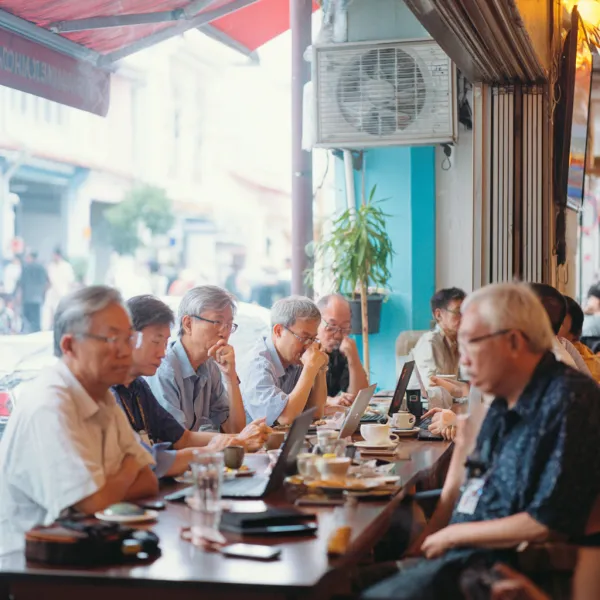
There’s a small but established Asian and specifically Singaporean expat community. You’ll find some Asian groceries in Sliema and Valletta; for a taste of home before you leave, plan a kopitiam-style makan session with colleagues — it helps emotionally when you’re about to cross hemispheres.
For social life, search for tech meetups in Valletta and St. Julian’s, and coworking hubs that run networking nights. The island is small so in-person meetups and local conferences are a fast way to integrate.
First 48 hours: secure short-term accommodation, buy a local SIM with data, and open a local bank account or set up an international bank transfer method so you can pay rent and deposits.
Week 1–2: finalise your long-term lease, submit your work/residence permit documents (if employer-sponsored), register with a local GP and find the nearest supermarket and mailbox.
Week 3–4: sort out internet and utilities, join a coworking space to meet peers, and begin local networking. Use this month to stabilise routines — groceries, laundry, transport — before jumping into long-term projects.
Explore more career advice and industry insights.
A practical guide for Singapore-based tech professionals thinking of relocating to Malta, with clear steps on visas, neighbourhood…
A practical guide for Singapore-based tech professionals thinking of relocating to Malta, with clear steps on visas, neighbourhood…

A practical guide for Singapore-based tech professionals thinking of relocating to Malta, with clear steps on visas, neighbourhood…
Find your next opportunity.