

The Complete Guide to Relocating to Malta for Tech Professionals
A practical, Malta-focused guide for tech professionals planning to relocate — from where to find roles to visas, CV tips and sett…
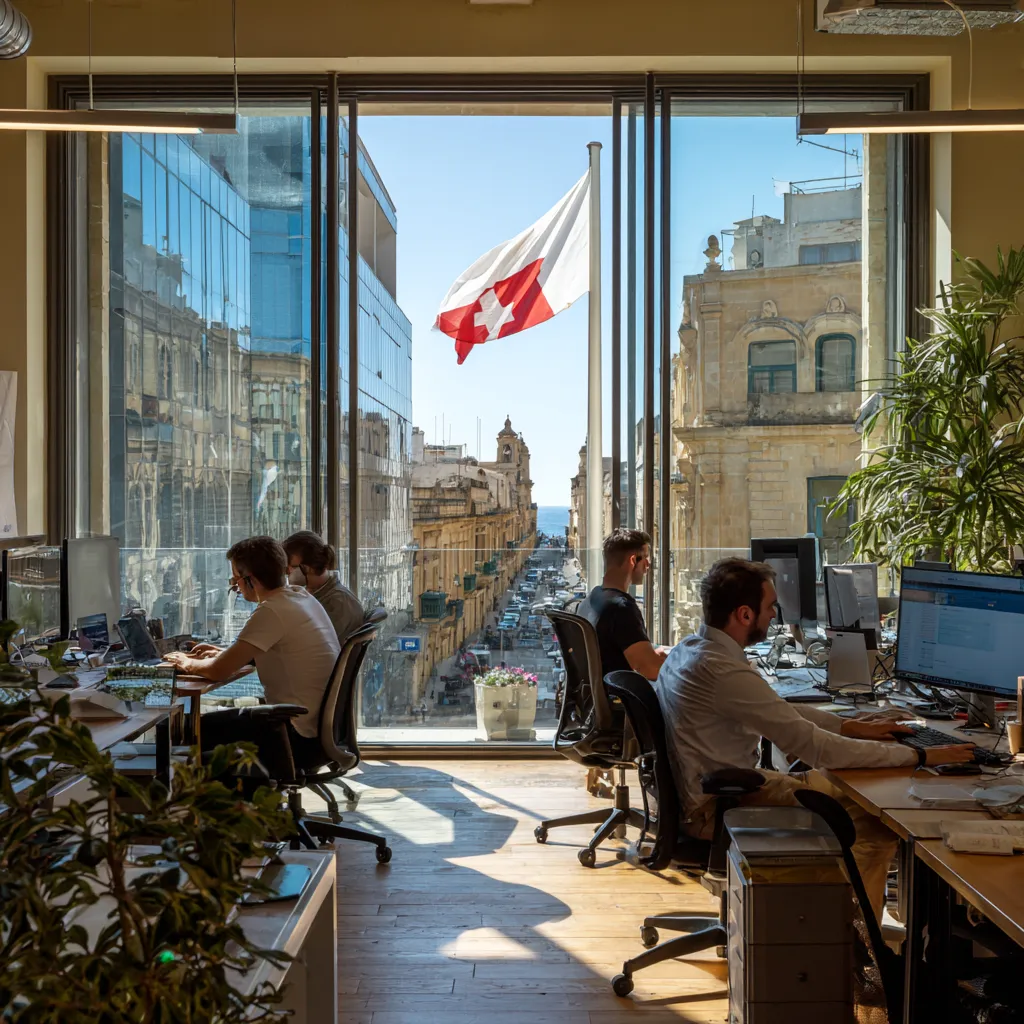
A practical, Malta-focused guide for tech professionals planning to relocate — from where to find roles to visas, CV tips and settling-in advice for Valletta, St Julian's and beyond.
Malta’s compact tech scene rewards visibility — being local and connected can speed up your job search.
Ask prospective employers early about relocation support; even informal guidance can save weeks of paperwork.
Malta punches above its weight as a tech and digital hub in the central Mediterranean — a blend of warm climate, English-speaking business culture and a concentrated cluster of employers in iGaming, fintech, shared services and startups. That mix makes it an appealing base for engineers, product managers, data specialists and DevOps professionals.
The island’s small geography means job networks are tighter: networking and local presence can move your search faster than in larger countries. Cities and towns such as Valletta, Sliema, St Julian’s, Msida and Birkirkara host most office roles, while Gozo offers quieter options for remote-first professionals.
Expect a range of roles from junior to senior and contract to permanent; iGaming and finance firms often advertise roles year-round, while hospitality and tourism add seasonal opportunities for tech staff in booking and operations teams.
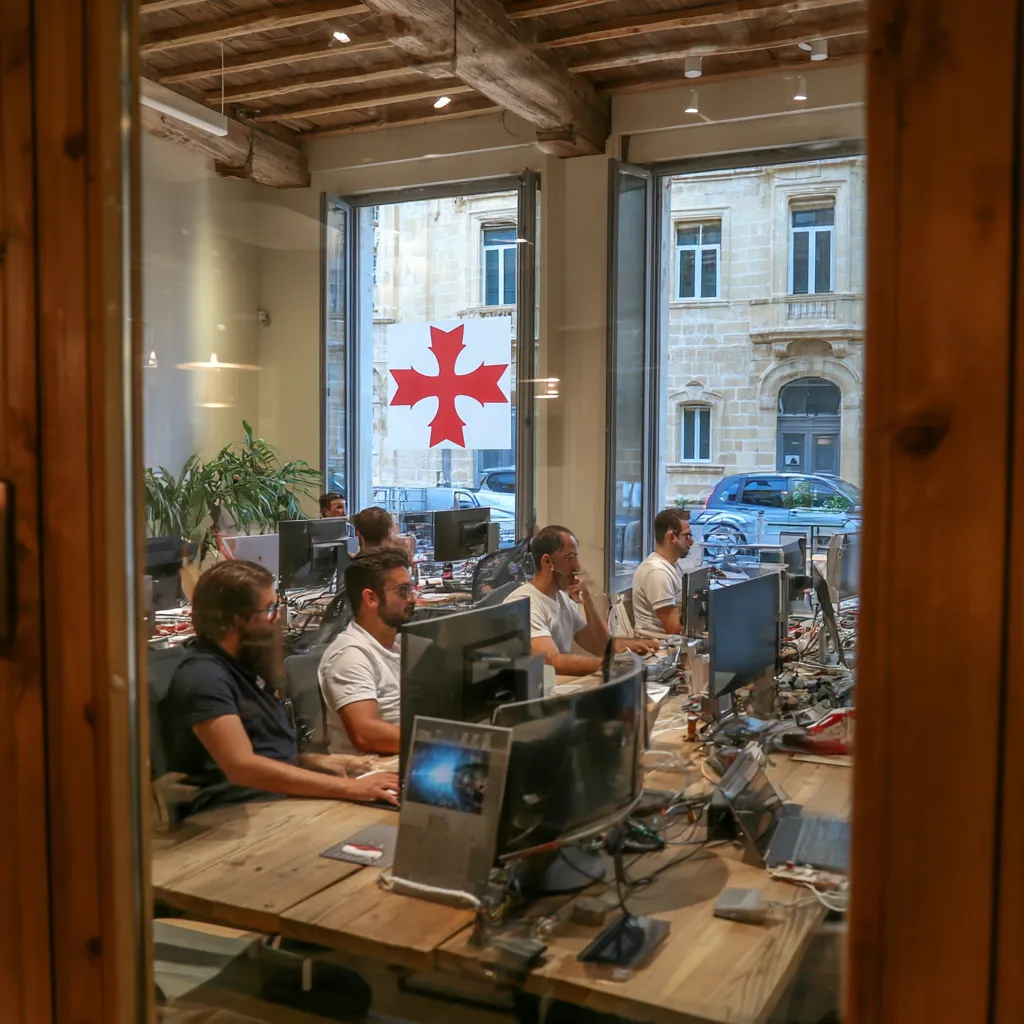
Different localities specialise in different company types. St Julian’s and Sliema host many iGaming and digital marketing houses, Valletta is growing with fintech and government tech projects, Msida and Birkirkara have shared-service centres and office parks, and Mosta and the Northern Harbour area are emerging for startups and logistics tech.
Beyond company type, look for remote-friendly roles — a growing number of Maltese firms offer hybrid arrangements. If you prefer in-person teams, prioritise locations near the ferry/commute corridors or close to coworking spaces in Sliema and St Julian’s.
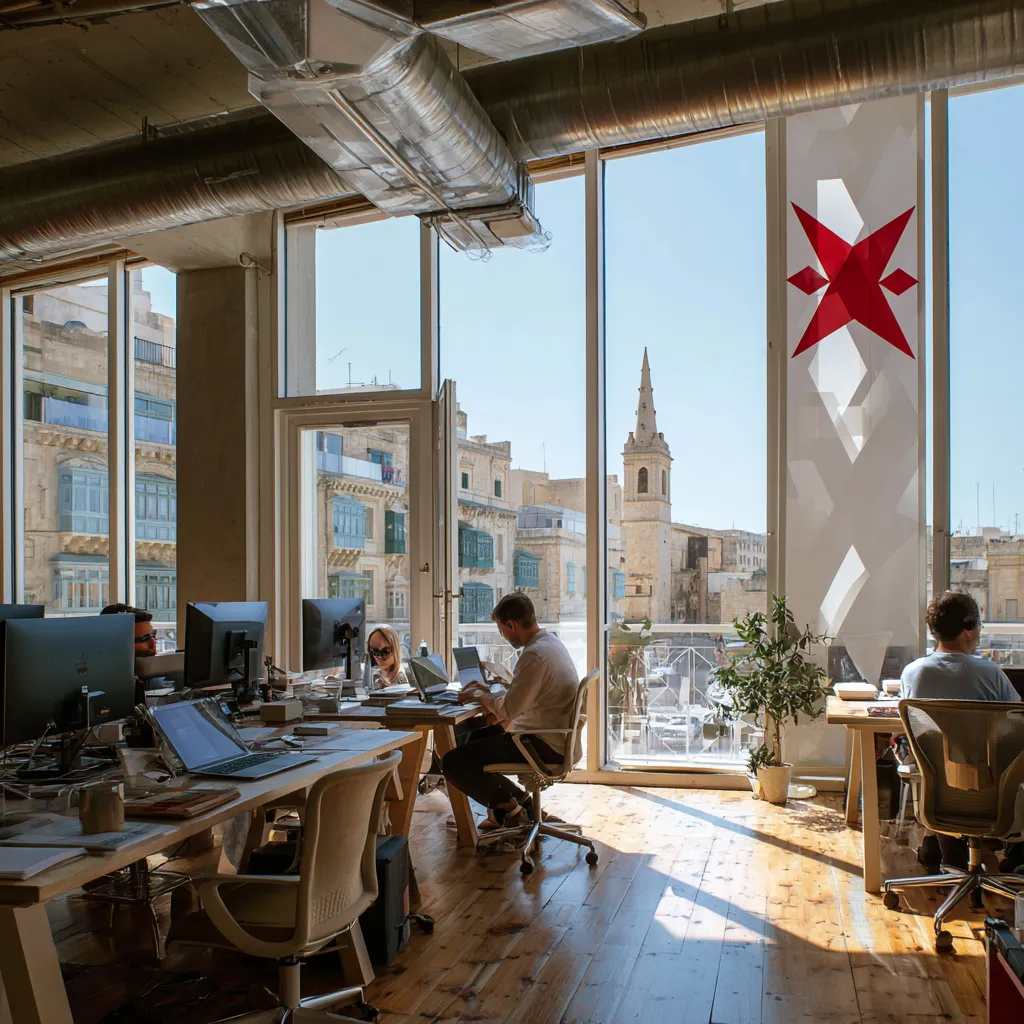
EU/EEA/Swiss citizens can move, work and live in Malta with much fewer formalities than non-EU nationals; non-EU candidates should research visa and work-permit routes early. Immigration and permit rules change, so always verify details with official government sources or your prospective employer’s HR team.
Typical practical relocation tasks include securing documentation (passport, qualifications, employment offer), arranging temporary accommodation and considering health insurance and banking before you arrive. Employers often support hires with relocation advice — ask during the interview process what their package includes.
If you need formal permits, start the paperwork well before your intended move. Reach out to relevant official sites or Malta-based immigration advisers for up-to-date guidance rather than relying on second-hand summaries.
Use a mix of channels: local job boards, LinkedIn, specialised recruiters and company career pages. Maltese recruitment agencies and in-house HR teams are active for mid-to-senior roles, while startups often hire through networking and local meetups.
Target your applications: tailor your CV and cover letter to the company and role, highlight relevant sector experience (e.g. iGaming compliance, fintech security) and mention your intended relocation timeline. Local employers appreciate concise, clearly formatted applications.
Don’t underestimate the power of networking — meetups in Valletta or coworking spaces in Sliema and St Julian’s can lead to referrals. If you're applying from abroad, be transparent about time zones for interviews and your earliest available start date.
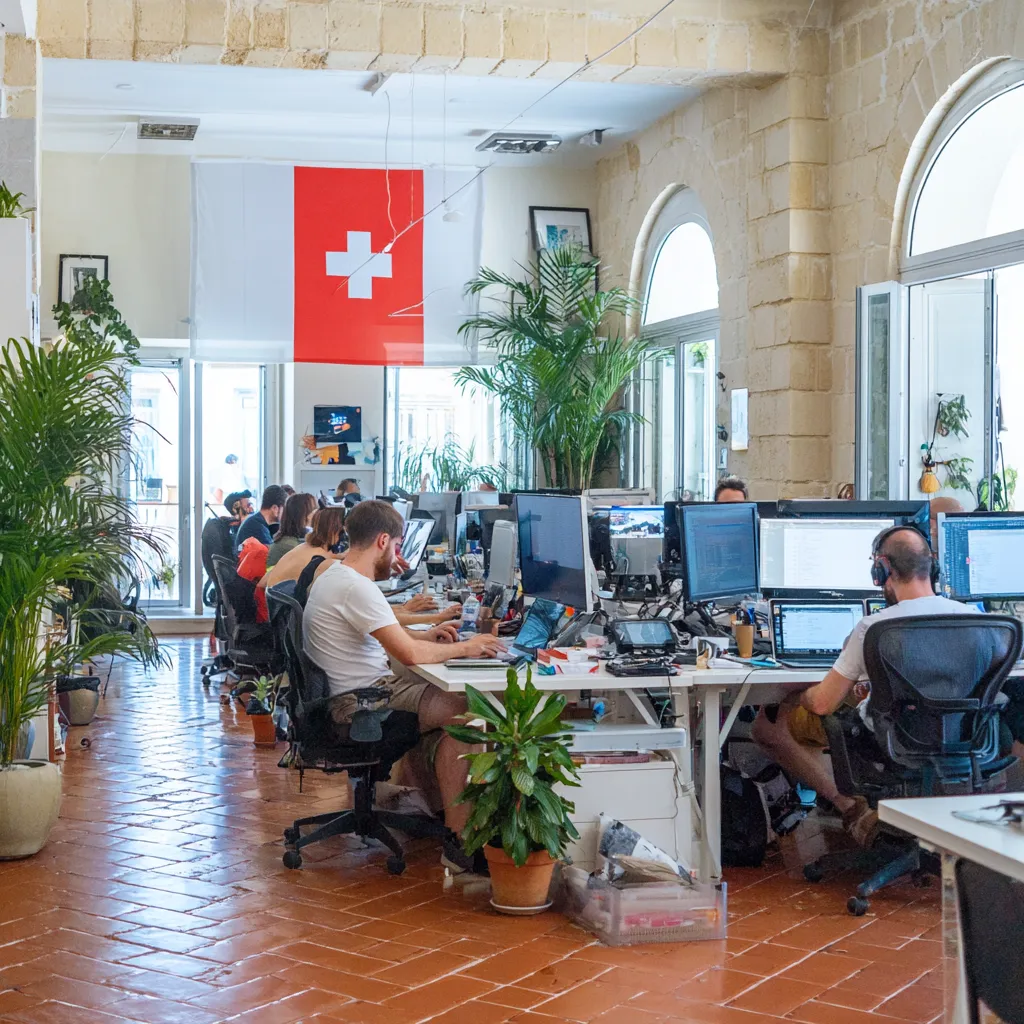
Keep your CV focused and easy to scan: two pages for senior engineers, one page for juniors if possible. Highlight technologies, projects, measurable outcomes and any Malta-relevant experience (remote work with EU teams, multilingual support, compliance knowledge).
In interviews expect a mix of technical assessments and cultural fit questions. Many Maltese employers value clear communication, teamwork and adaptability — give concrete examples of collaboration across time zones or with distributed teams.
Be prepared to discuss notice periods, salary expectations and whether you require relocation support. Probation periods are common; use them to learn expectations and local ways of working. Where language matters, state your English and Maltese levels; many workplaces operate primarily in English but local language skills can be an advantage.
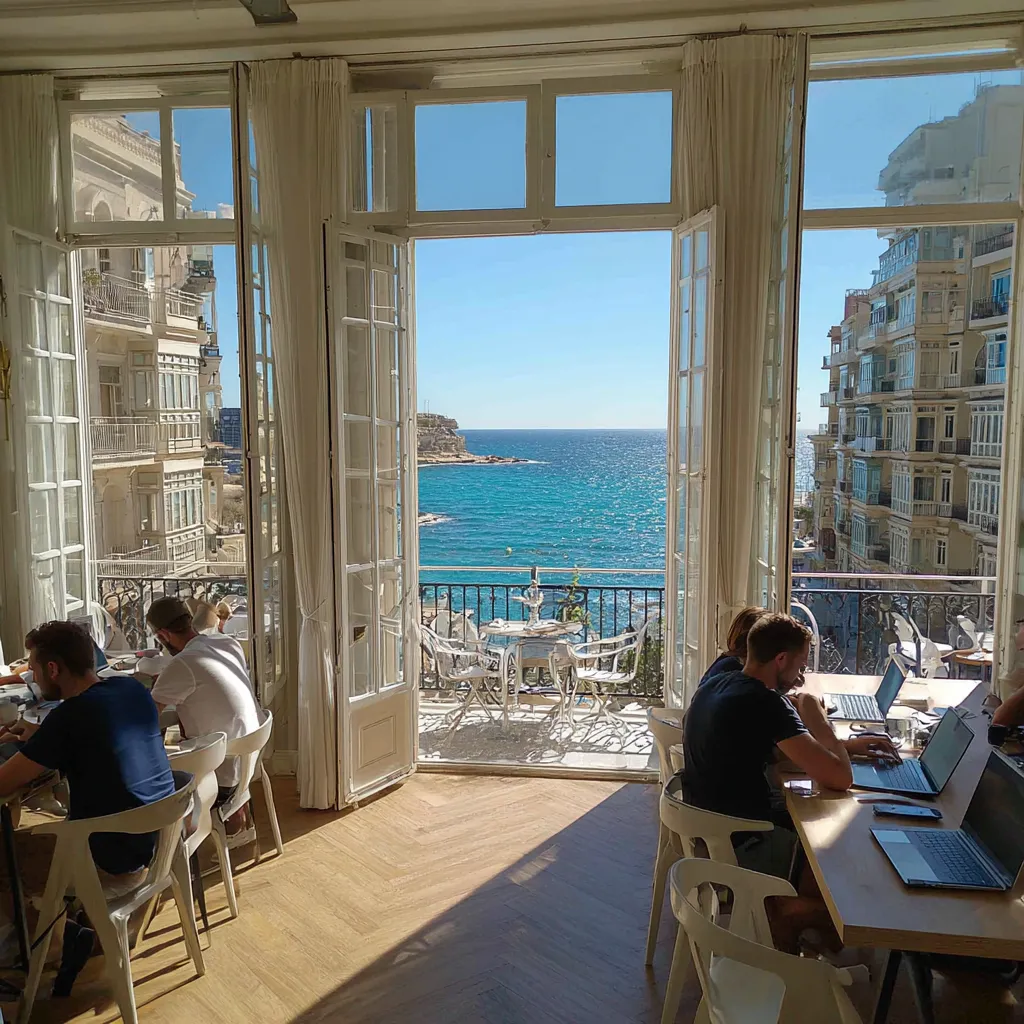
First 30 days: finalise your accommodation, set up a local bank account, register for any necessary local services and complete employer onboarding. Explore neighbourhoods (Sliema and St Julian’s for lively expat communities; Valletta for shorter commutes to government and finance roles).
30–60 days: focus on building local connections — attend meetups, join coworking spaces, and meet your team in person if hybrid. Sort out long-term details such as tax registration and health arrangements once you have confirmed residency/employment status.
60–90 days: evaluate your commute, work–life balance and housing decisions. If you're still job-hunting, refine applications using feedback from interviews and local contacts; if you’ve started a role, use the probationary period to demonstrate impact and learn local workflows.
Explore more career advice and industry insights.
A practical, Malta-focused guide for tech professionals planning to relocate — from where to find roles to visas, CV tips and sett…

A practical, Malta-focused guide for tech professionals planning to relocate — from where to find roles to visas, CV tips and sett…

A practical, Malta-focused guide for tech professionals planning to relocate — from where to find roles to visas, CV tips and sett…
Find your next opportunity.