

Expat Guide: Healthcare and Health Insurance in Malta
A practical expat guide to navigating healthcare and health insurance in Malta, with tips on public vs private care, registering w…
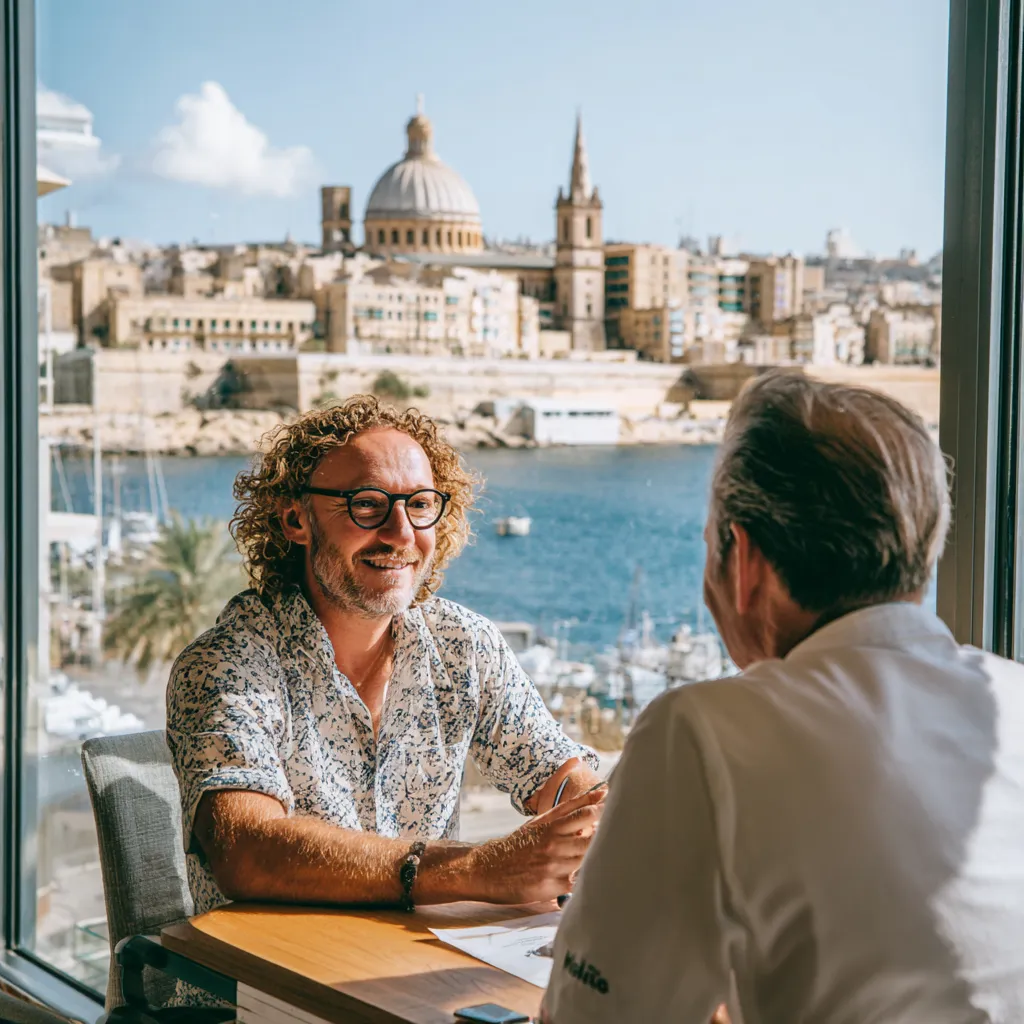
A practical expat guide to navigating healthcare and health insurance in Malta, with tips on public vs private care, registering with a GP, and choosing the right cover for your move.
Sorting your health cover early is one of the smartest moves an expat can make — it removes a lot of stress when you’re settling into work and life in Malta.
Private insurance is common in corporate sectors in St Julian’s and Sliema; always ask HR for a policy summary before you sign.

Malta’s compact size, English-speaking services and strong tourism and financial sectors make it an attractive destination for expats, but healthcare arrangements are one of the most important practicalities to sort early. Whether you’re moving for an iGaming role in St Julian’s, a finance post in Sliema, or joining a shared service centre in Birkirkara, knowing how to access care and what insurance you need will save time and money.
This guide explains the basics of the Maltese system, the difference between public and private care, what to expect at local health centres and hospitals, and pragmatic steps for EU and non-EU arrivals. It’s designed for job-seeking expats, relocating families and remote workers setting up a base in Malta or Gozo.
Malta offers both a public healthcare system and a thriving private sector. Public services are delivered through health centres around towns such as Mosta and Msida and at the main acute hospital (Mater Dei) near Pietà. Public care is subsidised for eligible residents but waiting times can vary depending on the service.
Private healthcare is widely used by expats who want faster access to specialists, private hospital rooms or English-speaking private GPs. Employers — especially in iGaming, finance and multinational shared-service centres — frequently offer private insurance as part of benefits packages, so check offers carefully when negotiating a job in Valletta or St Julian’s.
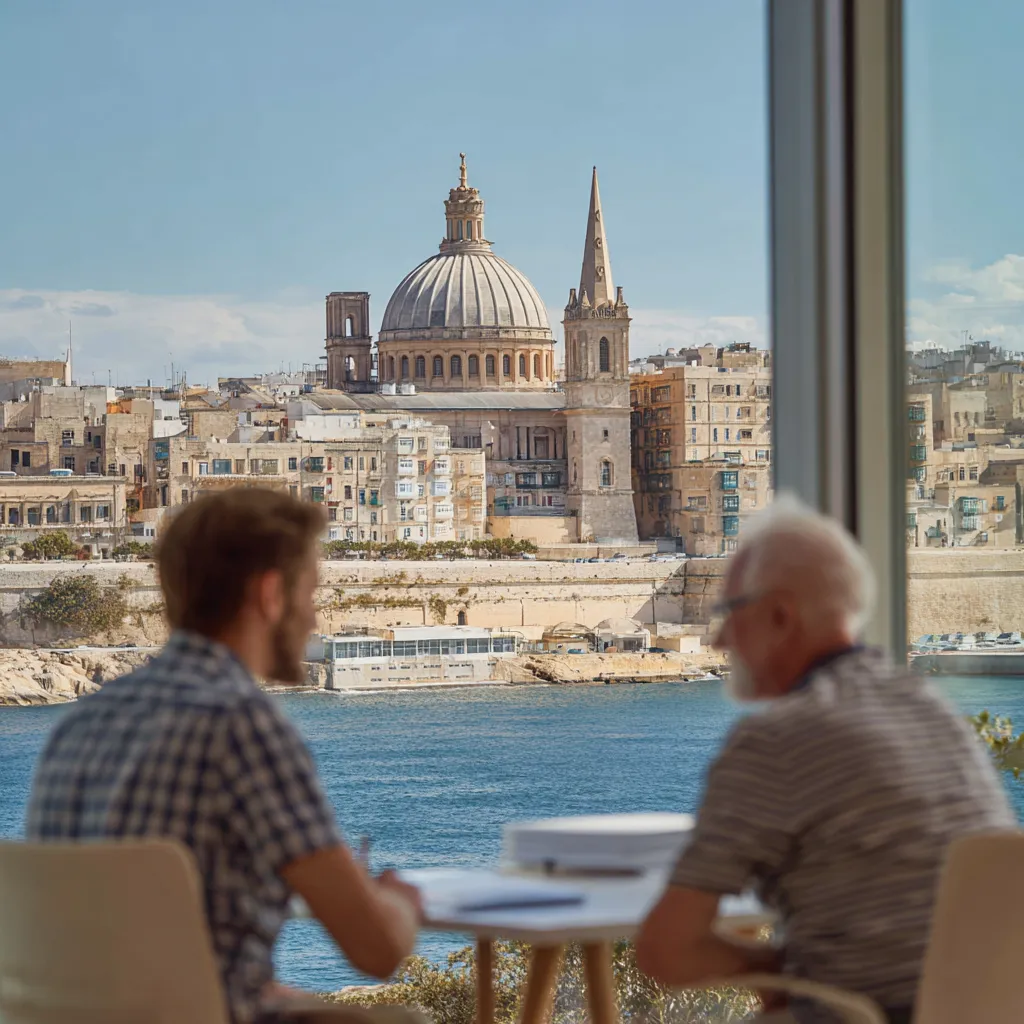
Your options depend on your nationality, employment status and how long you plan to stay. EU citizens can often access certain public services with an EHIC/GHIC for short stays, but this is not a substitute for comprehensive cover. Non-EU nationals usually rely on employer policies or private plans, especially while their residency status and employment contracts are being finalised.
When comparing policies, focus on hospital cover, outpatient limits, pre-existing condition rules, repatriation, and whether the plan includes private GPs and specialist access in Malta. For higher-cost treatments, check exclusions and excesses. If your employer offers cover, ask for the policy summary to understand co-pays and network providers around St Julian’s, Sliema and Valletta.

Registering with a GP (family doctor) makes routine care easier — look for clinics near where you live in Birkirkara, Msida or Mosta. Pharmacies (għajnuna) are widely available and many have English-speaking staff who can advise on over-the-counter medicines. If you need urgent care, Malta’s emergency services will respond, and Mater Dei handles most major emergencies.
For non-urgent specialist care, private clinics can offer shorter waits. Telemedicine options have also expanded, useful for remote workers based in Malta who want quick consultations without travelling. Keep digital copies of important documents (insurance policy, ID, residency permit) and store emergency numbers in your phone.
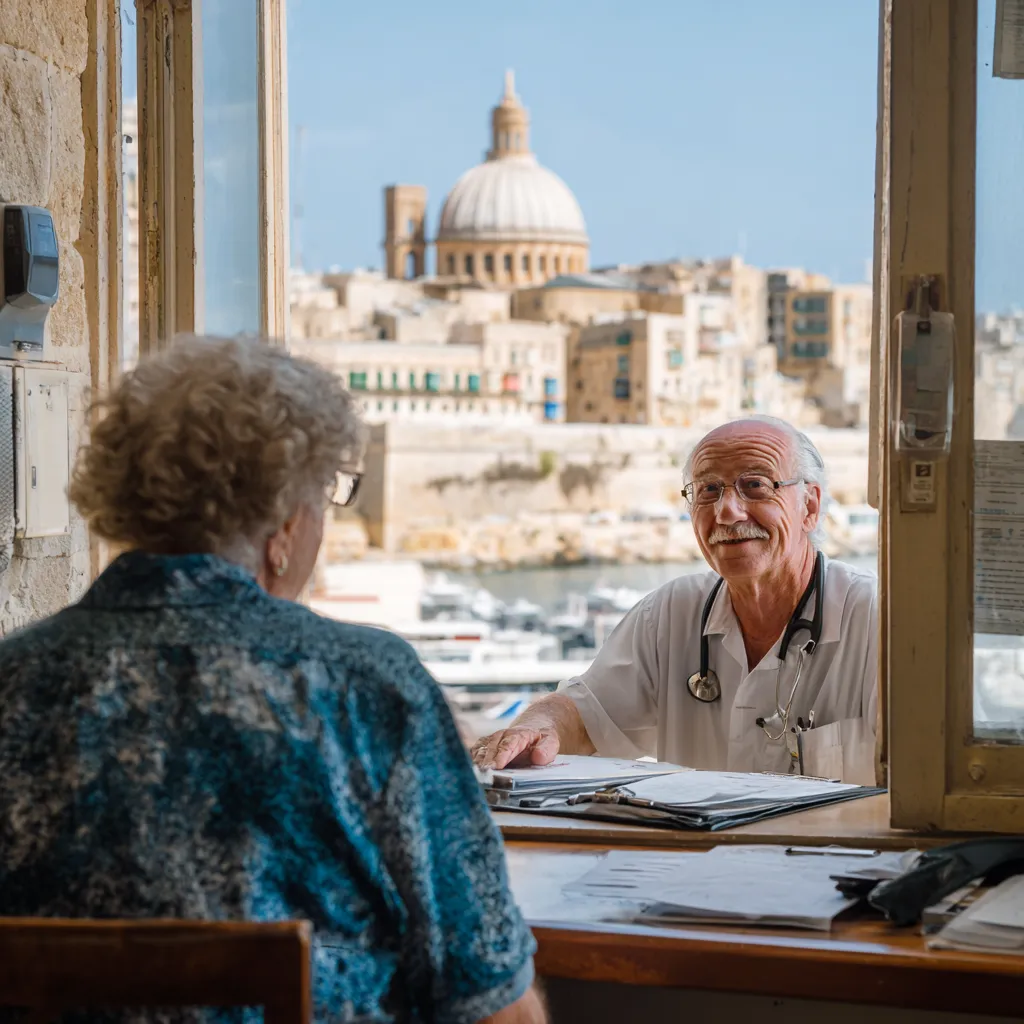
First 30 days: gather documents (passport, work contract, residence papers), check whether your employer enrolls you in a group plan, and carry temporary travel insurance until coverage begins. Locate the nearest health centre and a private GP if you prefer private care. If you’re an EU citizen, bring your EHIC/GHIC for initial visits.
30–90 days: finalise your long-term insurance choice, register formally with any public health services if eligible, and keep a folder (digital and physical) with vaccination records, prescriptions and policy documents. Review your cover for family members and dental/maternity needs if applicable. Speaking to local expat groups in Valletta or Gozo can surface practical bench-tested recommendations for doctors and clinics.
Common mistakes to avoid include assuming short-term travel insurance is enough, not checking waiting times for public specialist appointments, and neglecting to confirm whether your GP accepts your chosen insurer.
Explore more career advice and industry insights.
A practical expat guide to navigating healthcare and health insurance in Malta, with tips on public vs private care, registering w…
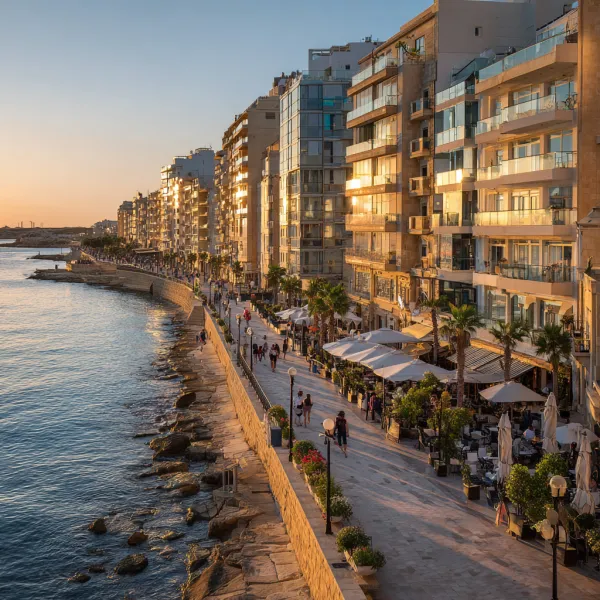
A practical expat guide to navigating healthcare and health insurance in Malta, with tips on public vs private care, registering w…

A practical expat guide to navigating healthcare and health insurance in Malta, with tips on public vs private care, registering w…
Find your next opportunity.