
Healthcare in Malta: Public vs Private Insurance for Expats
A practical Malta-focused guide for expats comparing public and private healthcare options, what to expect, and how to choose the …
A practical Malta-focused guide for expats comparing public and private healthcare options, what to expect, and how to choose the best cover when relocating or working here.
For many expats the best approach is hybrid: use public services for emergencies and keep private cover for speed and choice.
Ask your new employer early about health cover — benefits packages in finance and iGaming often include private insurance.
Malta has a compact, well-connected health system that mixes publicly funded services with a growing private sector — a reality every expat should understand before or soon after moving. For people relocating for iGaming, finance, tourism or shared-service roles in hubs like St Julian's, Sliema, Valletta or Birkirkara, your choice of cover affects waiting times, provider choice and out-of-pocket costs.
Deciding between public and private care also influences everyday practicalities: which GP you register with, how quickly you can see a specialist, where your family will be treated, and whether your employer’s benefits are sufficient. This guide gives Malta-focused, practical steps so you can weigh options and avoid surprises in your first months on the islands.
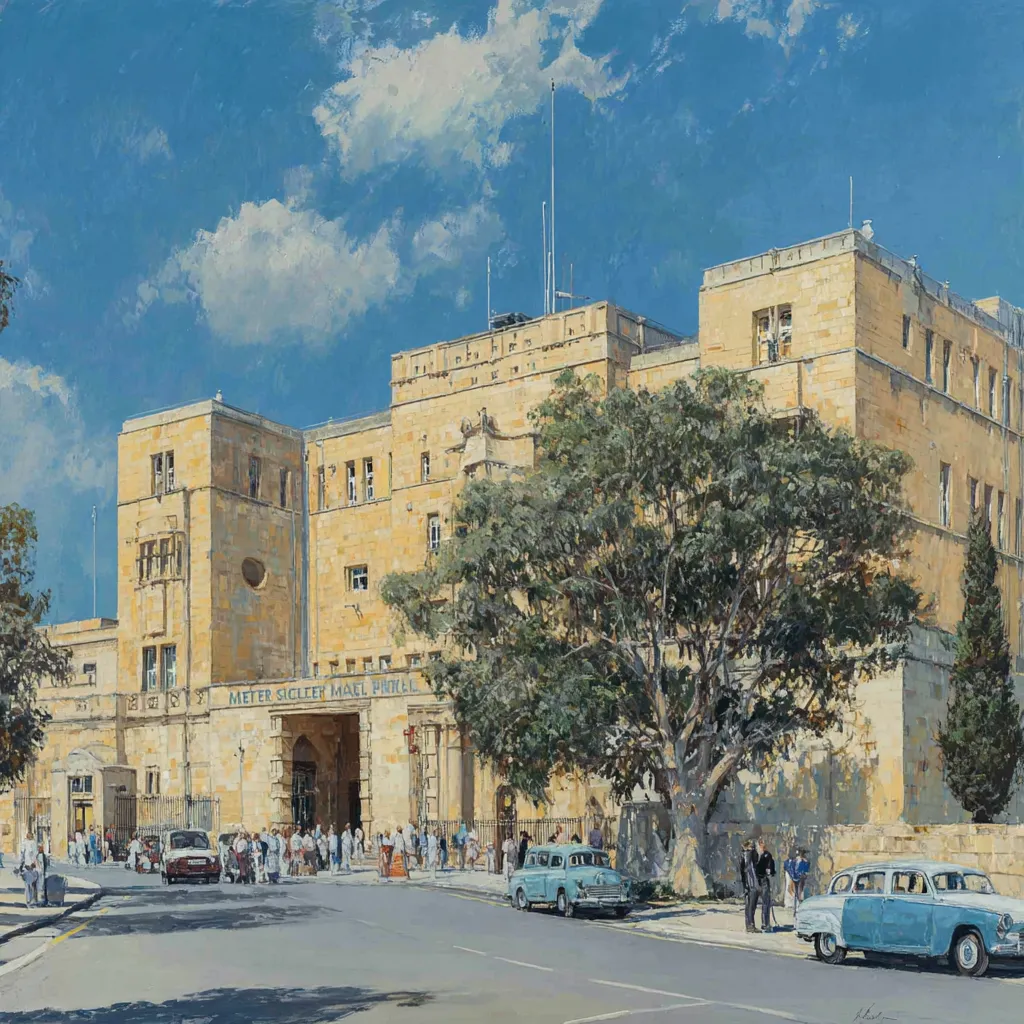
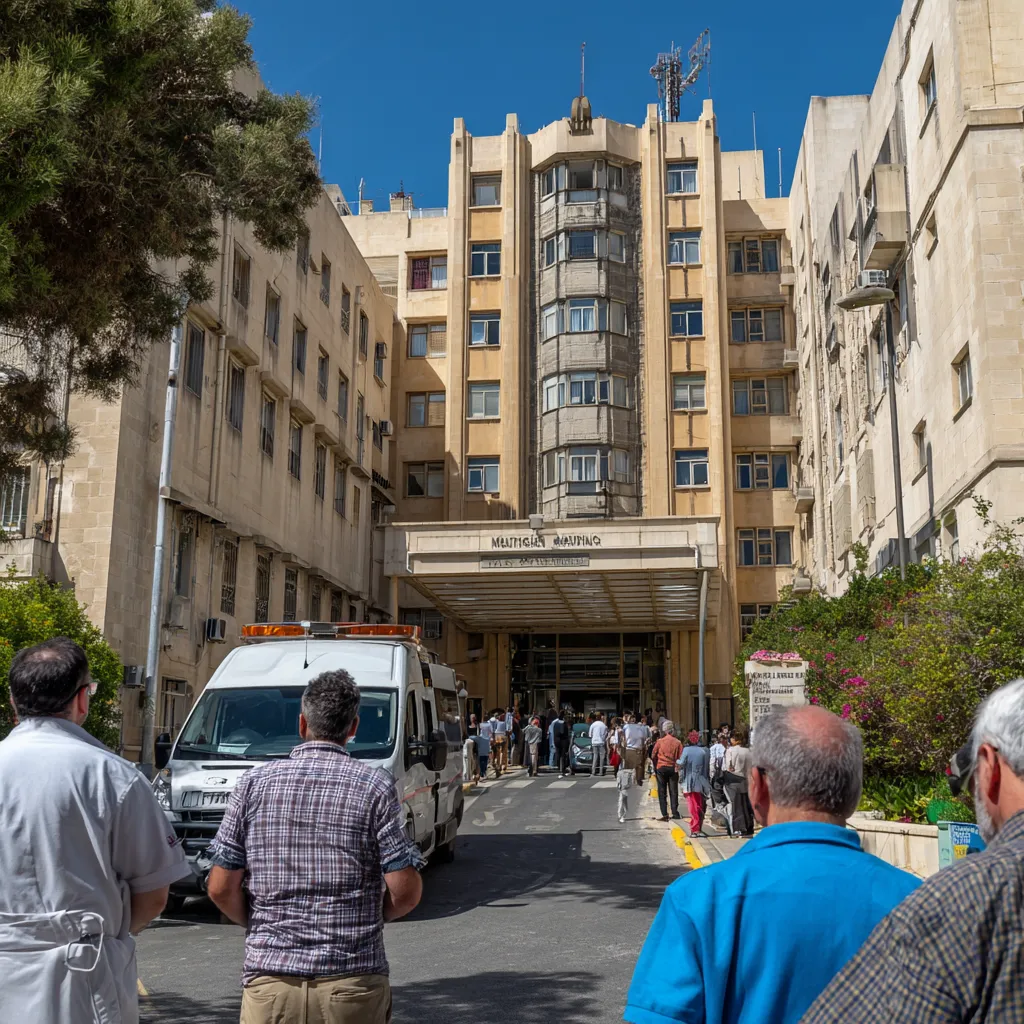
Malta’s public healthcare system provides comprehensive hospital and primary care services funded by the state. Major facilities — notably Mater Dei Hospital in Msida — handle emergency care and specialist services, while local health centres across localities like Mosta, Birkirkara and Gozo provide GP and community services.
Eligibility and access can differ depending on your residency and nationality. EU citizens often have reciprocal arrangements (EHIC/S1 situations), while non-EU arrivals usually need to check residency and entitlement details with official government sources. Many employees access public services through workplace registration or by registering with a local GP.
Pros of the public route include broad coverage for many treatments and no need for a separate private plan for basic care. Downsides for some expats are longer waiting times for elective procedures and less flexibility over provider choice compared with private care.
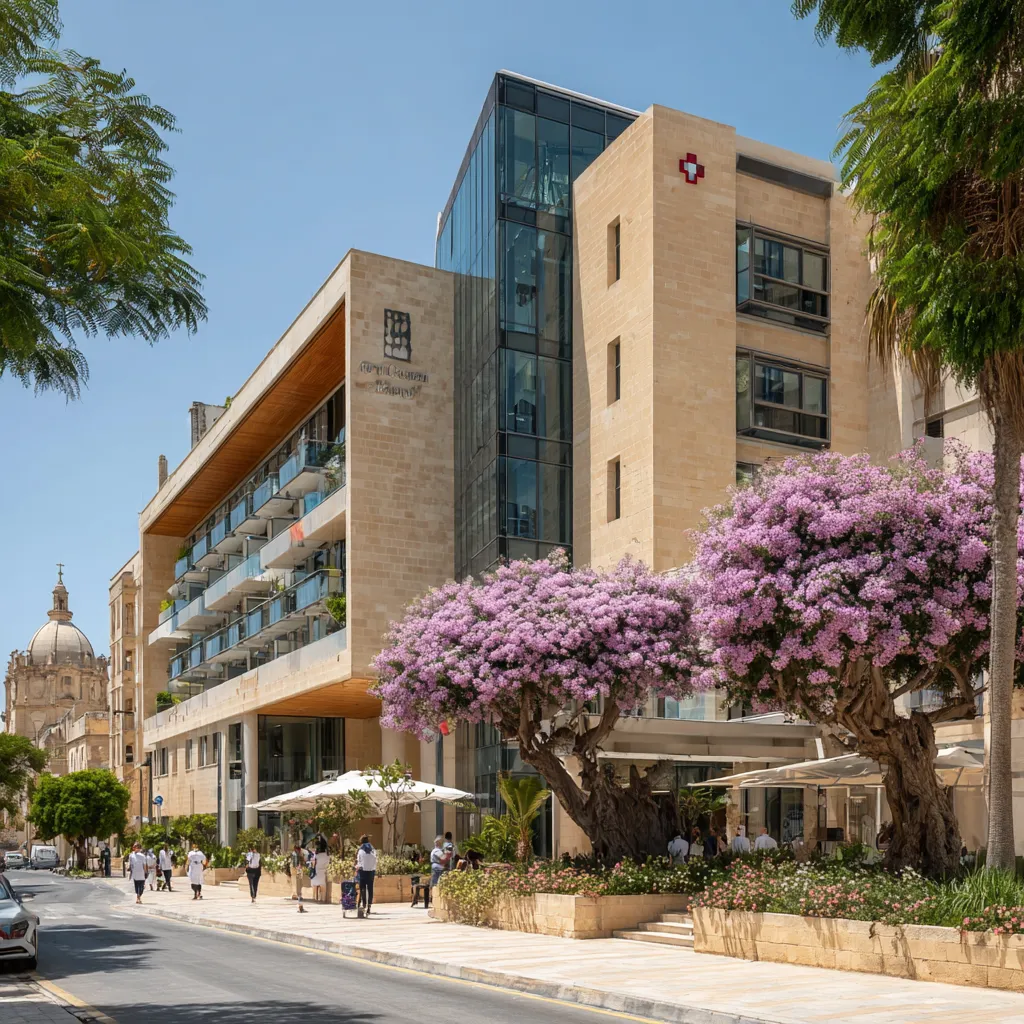
Private insurance is popular among expats who want faster access to specialists, private hospital rooms, or international-standard clinics often found in St Julian’s and Sliema. Employers in finance, iGaming and multinational shared-service centres frequently offer private plans or top-ups as part of the benefits package.
Individual private plans vary widely: some cover only specialist visits and diagnostics, others include inpatient care, dental add-ons or medical evacuation for non-residents. Private care reduces waiting times and expands your choice of specialists and clinics — useful when you need timely treatment while settling into work and family life in Malta.
Consider whether your employer’s plan follows you if you change jobs, covers dependants, and how pre-existing conditions are handled. Compare excesses, annual limits, outpatient coverage and whether GPs or physiotherapy are included.

There’s no one-size-fits-all answer. Key factors include your residency status, family size, existing health needs, job sector and whether your employer provides cover. For many expats, a hybrid approach — relying on the public system for emergency care while keeping private insurance for elective specialist or quicker access — makes sense.
Cost is important: private premiums in Malta are competitive compared with many EU countries, but prices depend on age, excess, and level of cover. If you’re job hunting or switching employers in your first months, short-term international travel cover can bridge the gap until you’re enrolled on a local plan.
Always check portability (what happens if you leave Malta), waiting periods, and whether the policy includes outpatient diagnostics. If in doubt, talk to HR, local expat groups, or a licensed broker who understands Malta’s healthcare landscape.
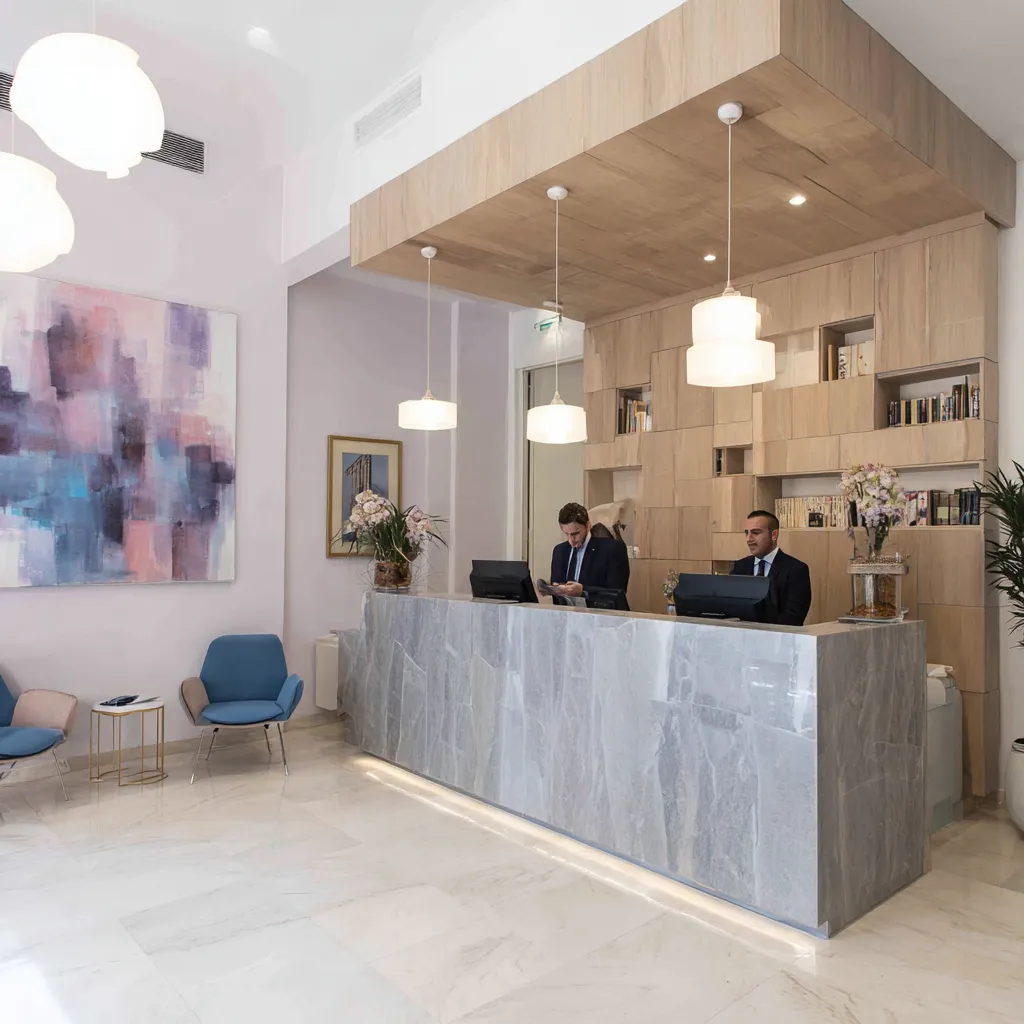
As soon as you have an address and residency status sorted, register with a local GP and obtain any required health registration documents. Keep digital copies of passports, work permit or residency card, and any EHIC/S1 paperwork if applicable.
If your employer offers health cover, confirm when it starts and what you need to do to enrol dependants. If you need private cover right away (for example, to avoid long waits for specialist care), compare quotes from international and local insurers and check broker reviews.
Finally, save contact details for Mater Dei Hospital, a nearby private clinic, your GP, and emergency services. Join local expat and sector-specific groups (iGaming, finance, hospitality) — they’re a good source of real-world feedback on clinics and insurers in Valletta, Sliema and St Julian’s.
Explore more career advice and industry insights.
A practical Malta-focused guide for expats comparing public and private healthcare options, what to expect, and how to choose the …
A practical Malta-focused guide for expats comparing public and private healthcare options, what to expect, and how to choose the …
A practical Malta-focused guide for expats comparing public and private healthcare options, what to expect, and how to choose the …
Find your next opportunity.