

How to Ace Your Interview with a Malta iGaming Company
Practical, Malta-focused interview advice for candidates targeting iGaming companies — from what local employers look for to how t…
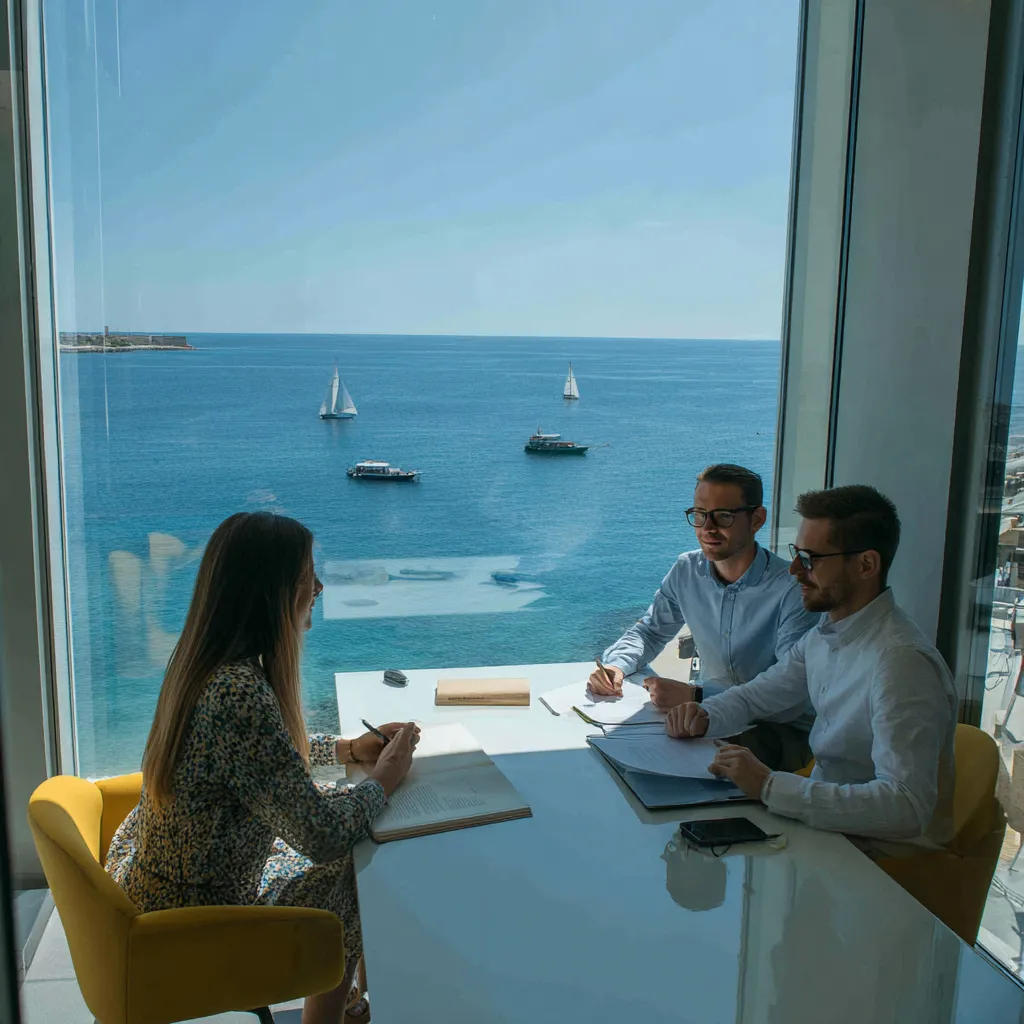
Practical, Malta-focused interview advice for candidates targeting iGaming companies — from what local employers look for to how to prepare, perform and follow up in St Julian's, Sliema and beyond.
In Malta’s tight iGaming market, cultural fit and regulatory savvy often matter as much as technical skills.
A short, localised 30–90 day plan can turn an offer into a fast first promotion.

Malta is one of Europe’s leading iGaming hubs, with a dense cluster of studios, operators and suppliers in St Julian’s, Sliema and nearby business districts. Employers here balance fast product cycles with strict regulatory expectations — that shapes what they look for in interviews.
Expect a mix of technical competence, regulatory awareness (the Malta Gaming Authority is a frequent reference point) and cultural fit. Many iGaming teams are international, so interviewers are used to hiring EU and non‑EU candidates and often ask about relocation logistics and remote/hybrid working arrangements.
Tailor your CV and cover letter to the role and the company. For product, tech or compliance roles mention specific platforms, languages, or regulatory frameworks you’ve worked with. If you’ve shipped work for regulated industries, highlight those projects up front.
Prepare practical documents: an updated CV, links to a portfolio or GitHub, references, and (if you’re a non‑EU candidate) a high‑level note on visa status and relocation availability. Recruiters in Malta appreciate clarity about availability — for example whether you can start within a month or need time to arrange permits.
Do company research: read recent news, check the company’s Maltese entity or MGA licence status where relevant, and understand product lines. Knowing whether the company targets sports betting, casino, lotteries or platform B2B services will help you give targeted answers.

Interviews commonly include a recruiter phone screen, a technical or practical assessment, and a final panel with hiring managers. Technical roles may require live coding, take‑home tests or system design exercises; product and marketing roles favour case studies and metrics discussions.
Use the STAR method for behavioural questions (Situation, Task, Action, Result) and pepper answers with Malta‑specific context when relevant — for example, working with local payment providers, integrating MGA compliance checks, or managing operations across multiple regulated markets.
Be prepared to discuss salary expectations, notice period and probation. Typical probation periods in Malta are often three to six months — ask politely if the interviewer doesn’t clarify. Also show cultural fit: many Maltese iGaming firms value initiative, teamwork and a readiness to adapt in a small‑island market.

Hiring managers often probe for product-market fit understanding: "How would you improve our onboarding for Maltese players?" or "How would you localise this for EU vs UK customers?" Tailor answers to local user behaviour and regulatory constraints.
For compliance and operations roles, expect scenario questions about AML, player protection and incident response. Show that you can balance rigorous processes with fast operational tempo — an ability that’s prized in Malta’s regulated yet entrepreneurial firms.
For customer-facing and hospitality-adjacent iGaming roles, highlight multilingual skills (English plus Maltese or another EU language), experience supporting remote customers, and examples of managing peak‑volume periods — these are practical strengths interviewers value.
Send a concise follow-up email within 24–48 hours, thanking the interviewers and reiterating one or two specifics you’d bring to the role. If a practical task was given, include a short reflection on decisions you made.
When you get an offer, consider total compensation: base salary, bonuses, health insurance, pension contributions, share options, relocation support and paid leave. Cost of living in Malta — especially rental prices in St Julian’s and Sliema — should factor into your negotiation.
Prepare a 30–90 day plan to discuss once you’ve accepted: first 30 days (onboarding and learning), 60 days (early contributions), 90 days (deliverables and KPIs). Showing this plan in early conversations signals you’re ready to add value from day one.
Explore more career advice and industry insights.
Practical, Malta-focused interview advice for candidates targeting iGaming companies — from what local employers look for to how t…

Practical, Malta-focused interview advice for candidates targeting iGaming companies — from what local employers look for to how t…

Practical, Malta-focused interview advice for candidates targeting iGaming companies — from what local employers look for to how t…
Find your next opportunity.