
Essential Leadership Skills for New Engineering Managers
Practical leadership advice for new engineering managers in Malta — how to move from senior engineer to effective leader, build te…
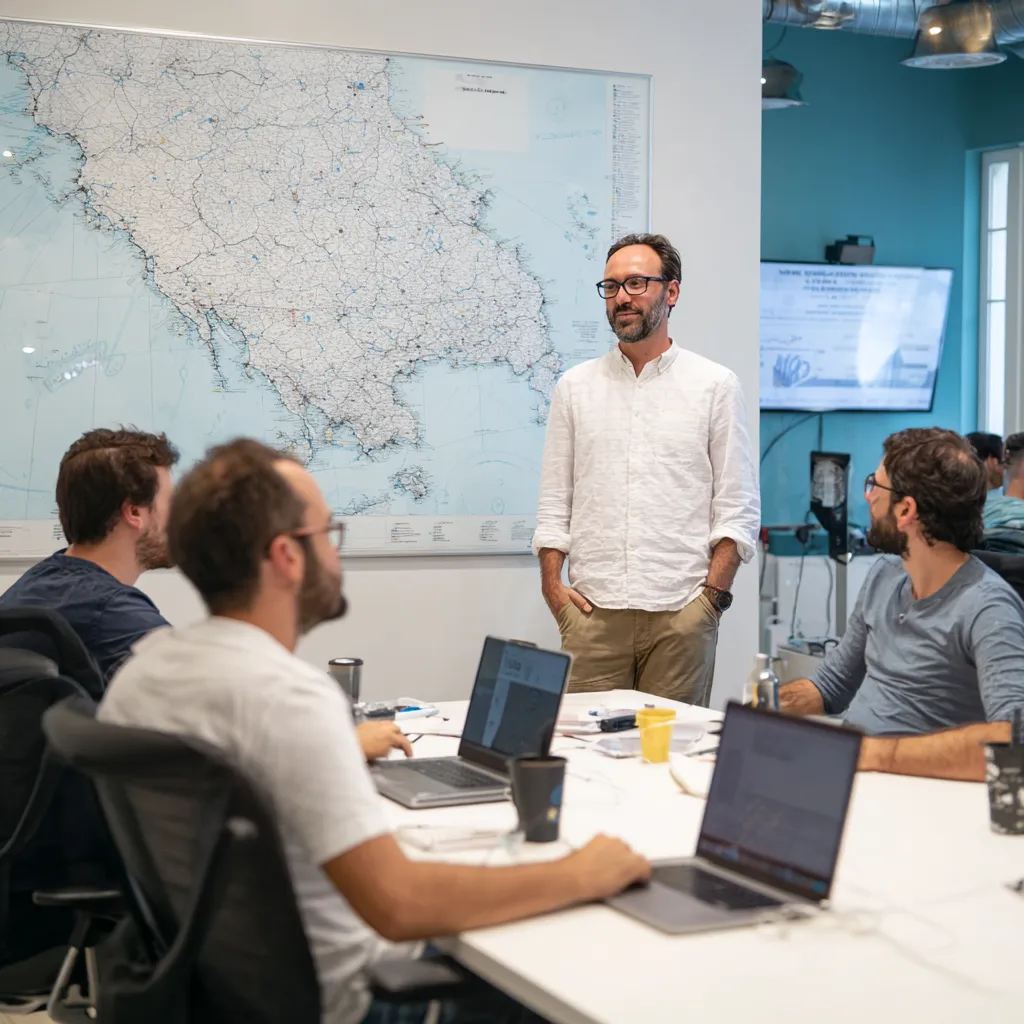
Practical leadership advice for new engineering managers in Malta — how to move from senior engineer to effective leader, build team culture, and succeed in local hubs like St Julian’s, Sliema and Valletta.
Good engineering managers trade a bit of hands-on coding for a lot more clarity, coaching and context-setting.
On a small island market, reputation travels fast — invest in your team’s growth and people will stay.
Malta's tech and engineering scene has grown rapidly in recent years, driven by iGaming, fintech, shared-service centres and a steady stream of startups — often concentrated around St Julian’s, Sliema, Msida and Valletta. As a new engineering manager you’re not just keeping code flowing; you’re translating business needs into team priorities across a small island job market where teams are tight-knit and visibility is high.
Local employers expect managers who can balance hands-on technical credibility with people skills: hiring and retaining talent (including EU and non‑EU candidates), negotiating hybrid work arrangements, and working with cross-functional teams in finance, product and compliance. Strong leadership reduces turnover, speeds delivery and helps teams compete with global firms that also recruit in Malta.

Technical credibility remains important, but your day-to-day will shift toward communication, prioritisation and decision-making. Prioritise clarity: write concise status updates, set expectations for code quality, and ensure stakeholders in Valletta or across EU offices get regular, digestible updates.
Practical skills to develop early include delegation (trusting your team), time management (protecting deep work), and stakeholder management (translating product and compliance requirements into engineering tasks). Learn to run effective code reviews that teach rather than just critique.
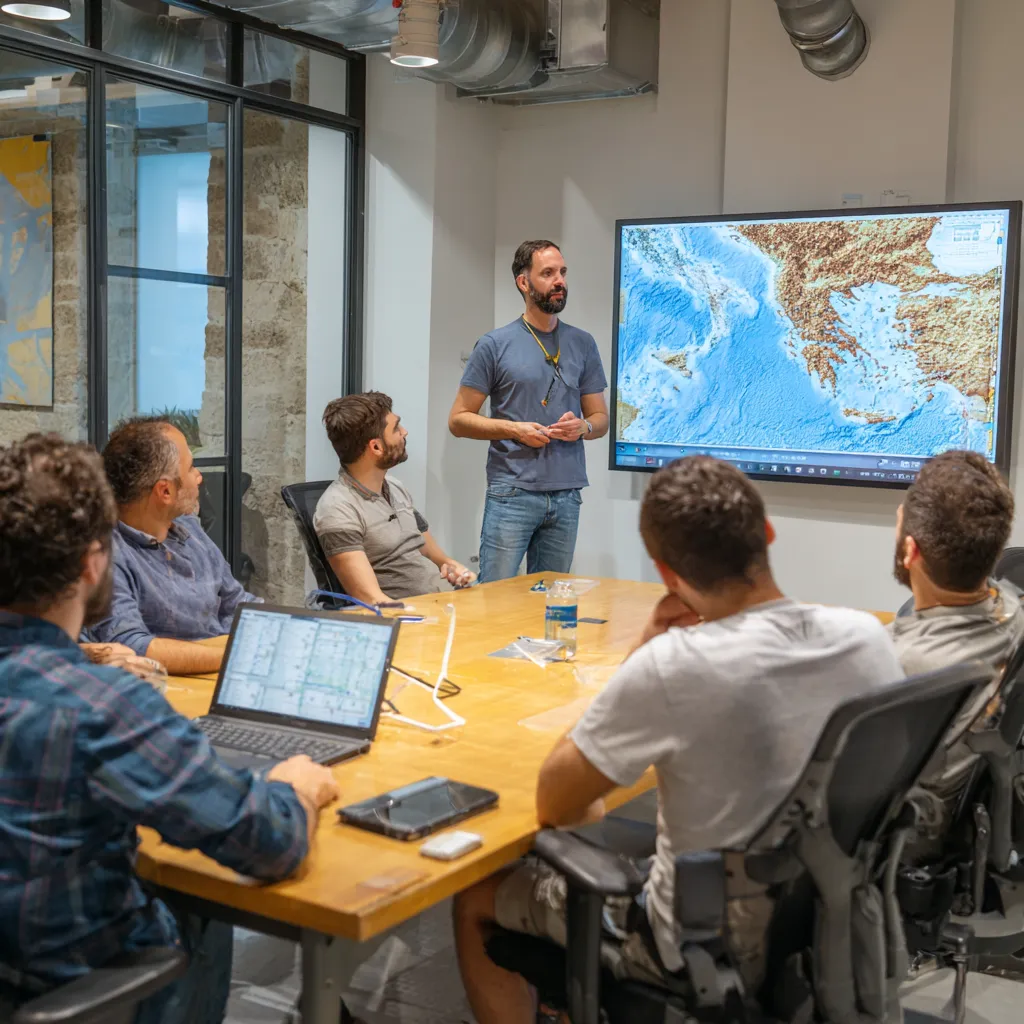
In Malta’s relatively small talent pool you’ll often hire across islands and time zones; being a visible, supportive manager helps with retention. Run one-on-ones, set clear career paths, and give actionable feedback — both positive and constructive — frequently, not just at annual review time.
Understand local hiring rhythms: probation periods, interview expectations, and common benefits (flexible hours, private health, training budgets) are part of the conversation with candidates in hubs like Birkirkara or Mosta. Be inclusive: many teams are multicultural and English- and Maltese-speaking — celebrate that diversity and address language gaps when they affect communication.
Set an achievable plan to build credibility and momentum. The first 30 days should focus on listening: meet your team, stakeholders in product/QA/ops, and HR; review codebases and deployment processes; and learn the organisation's ways of working.
By 60 days start shaping priorities: introduce small process improvements (e.g., safer release checklists), set team goals for the next quarter, and begin regular performance coaching. By 90 days you should be driving delivery rhythm, running retrospectives that lead to measurable changes, and onboarding at least one improvement initiative.
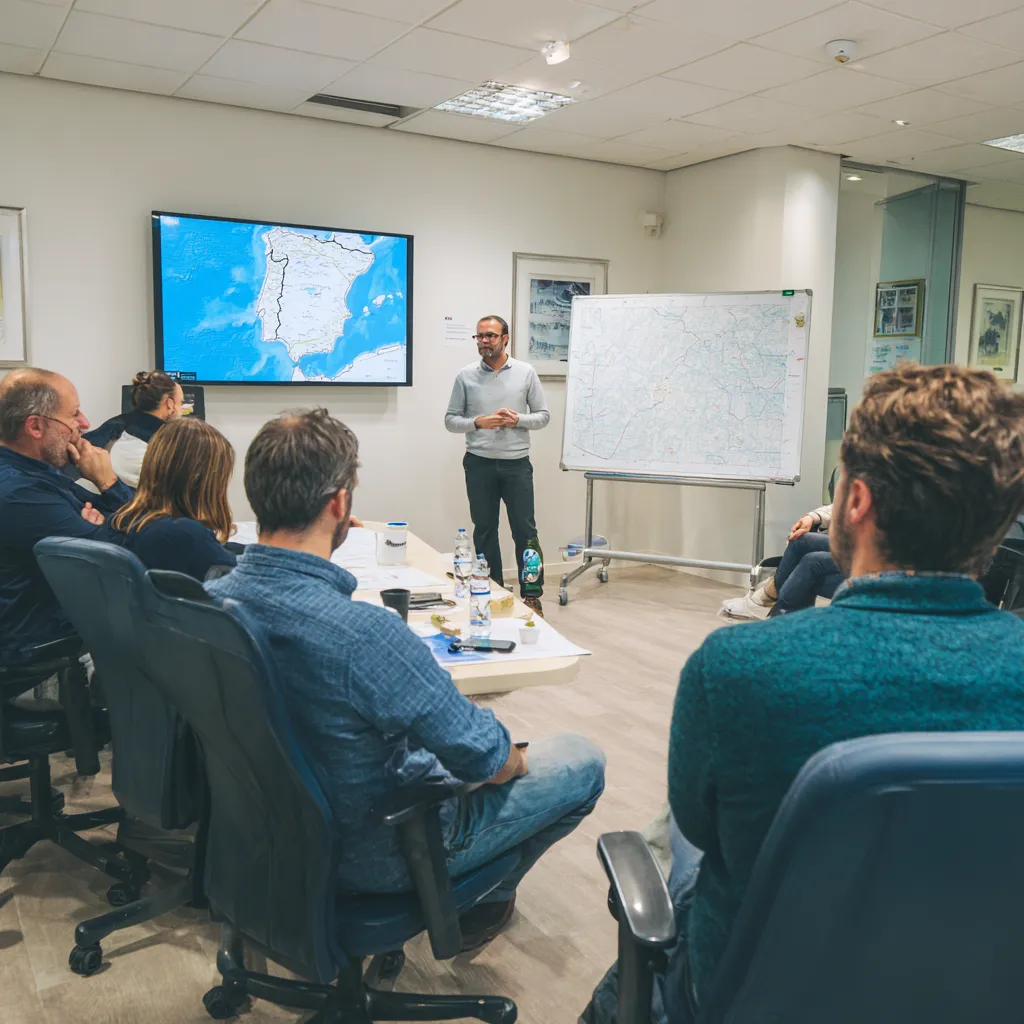
Leadership is a practice. Seek mentorship from senior managers in local hubs or join engineering meetups and tech communities in Valletta, Msida and St Julian’s. Many companies in Malta offer training budgets — use them for management courses, conflict resolution workshops or technical architecture training that improves your coaching.
Use available resources: online management courses, local training providers, and community meetups. Attend conferences when possible and build a small peer network of managers inside and outside your company to share lessons learned — the island's openness makes such connections especially valuable.
Explore more career advice and industry insights.
Practical leadership advice for new engineering managers in Malta — how to move from senior engineer to effective leader, build te…

Practical leadership advice for new engineering managers in Malta — how to move from senior engineer to effective leader, build te…

Practical leadership advice for new engineering managers in Malta — how to move from senior engineer to effective leader, build te…
Find your next opportunity.