
Mental Health and Wellbeing initiatives in the Tech Workplace
A practical Malta-focused guide to mental health and wellbeing initiatives in tech workplaces, with examples, tips for employees a…
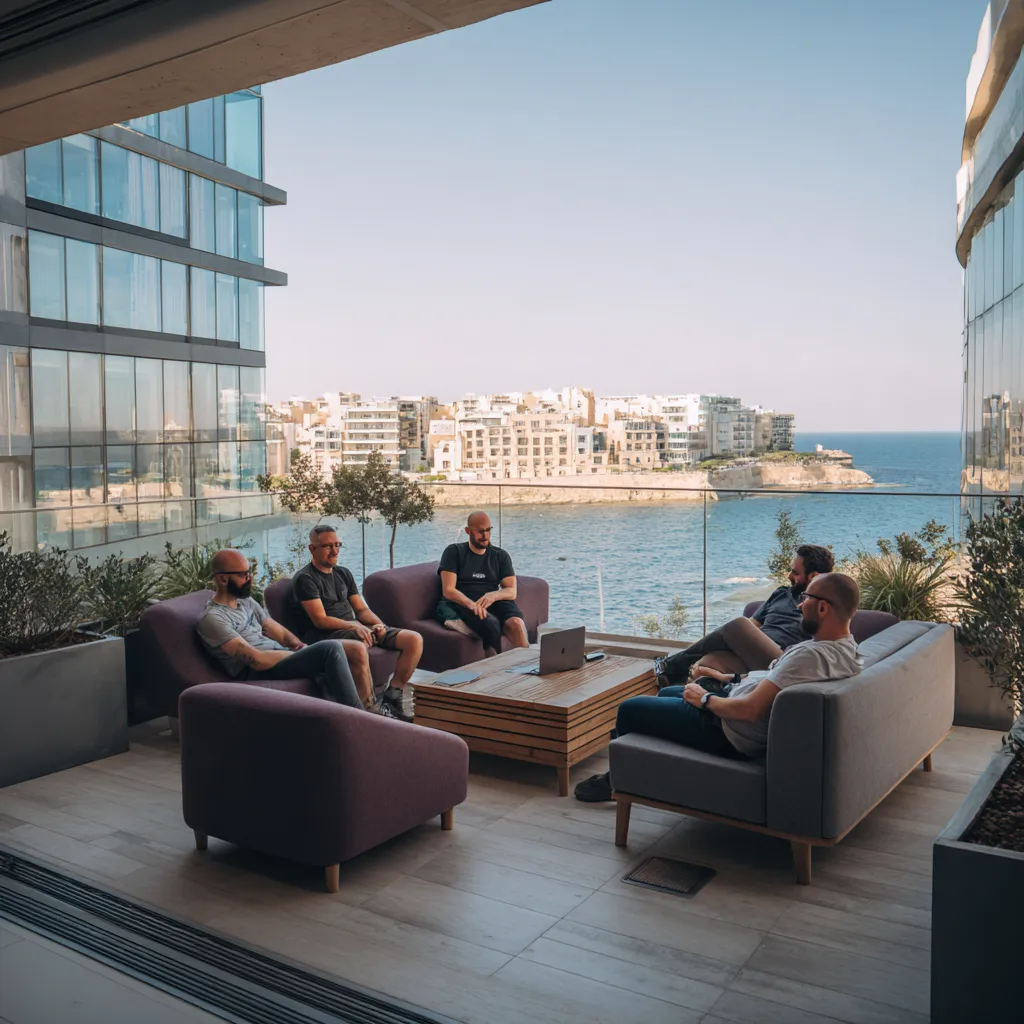
A practical Malta-focused guide to mental health and wellbeing initiatives in tech workplaces, with examples, tips for employees and managers, and local resources.
In a small island market like Malta, a strong wellbeing offer can be the difference between hiring and losing skilled tech talent.
Simple, consistent actions — manager check‑ins, flexible hours and clear signposting — often have the biggest impact.
The tech scene in Malta — from iGaming operators in St Julian’s to fintech and shared-service centres in Sliema, Msida and Birkirkara — is growing fast, and with growth comes pressure. Long hours, tight deadlines and 24/7 customer coverage can make wellbeing a business risk if left unaddressed.
For employers, good mental-health practice reduces turnover, protects productivity and helps attract talent in a small island job market where skilled developers, product managers and data engineers are in high demand. For employees and candidates (EU and non‑EU alike), clear wellbeing policies are a signal of a responsible workplace.
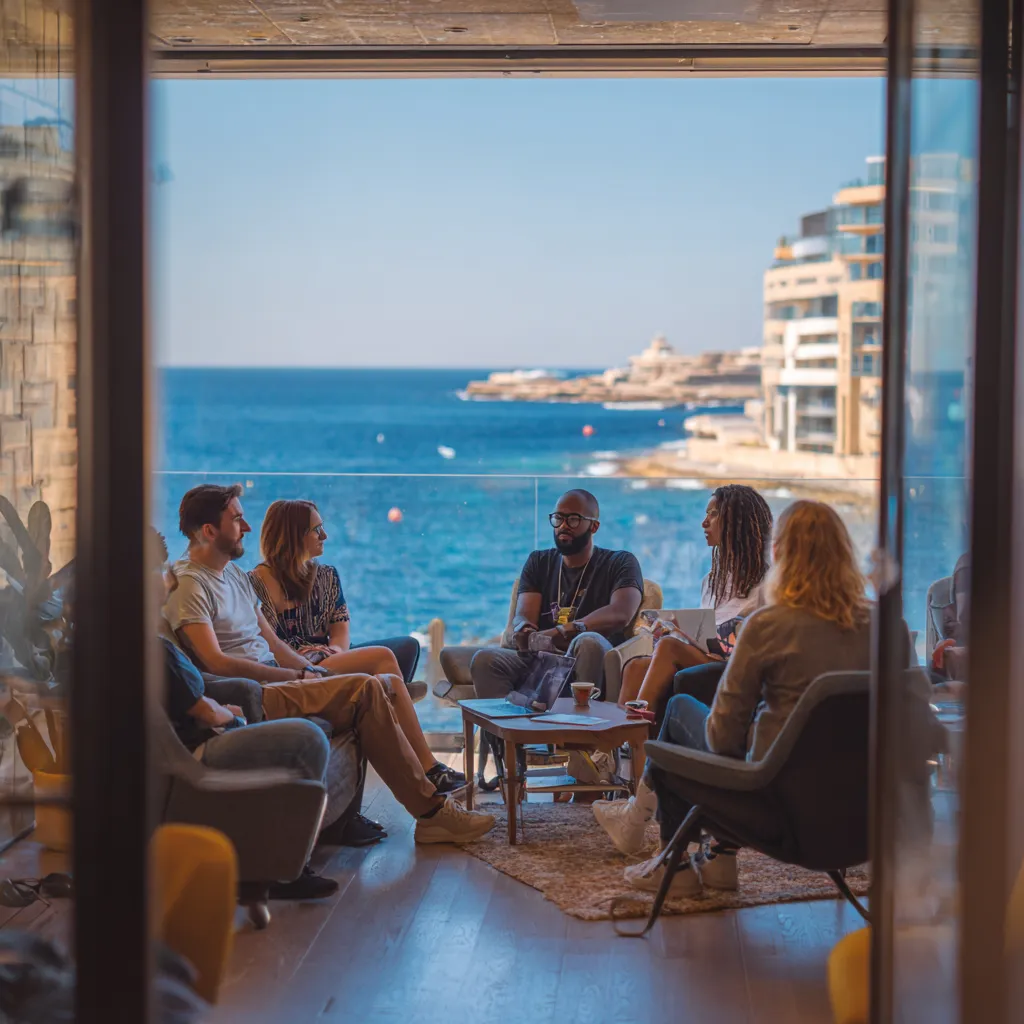
Large and small employers in Malta use a mix of practical and cultural initiatives. Practical measures include flexible working hours, hybrid/remote arrangements, mental health days, Employee Assistance Programmes (EAPs) and access to occupational health services.
Cultural and low-cost actions — manager training in mental-health conversations, regular check-ins, peer-support groups and clear signposting to local mental-health services — are often the most impactful because they change day-to-day behaviours.
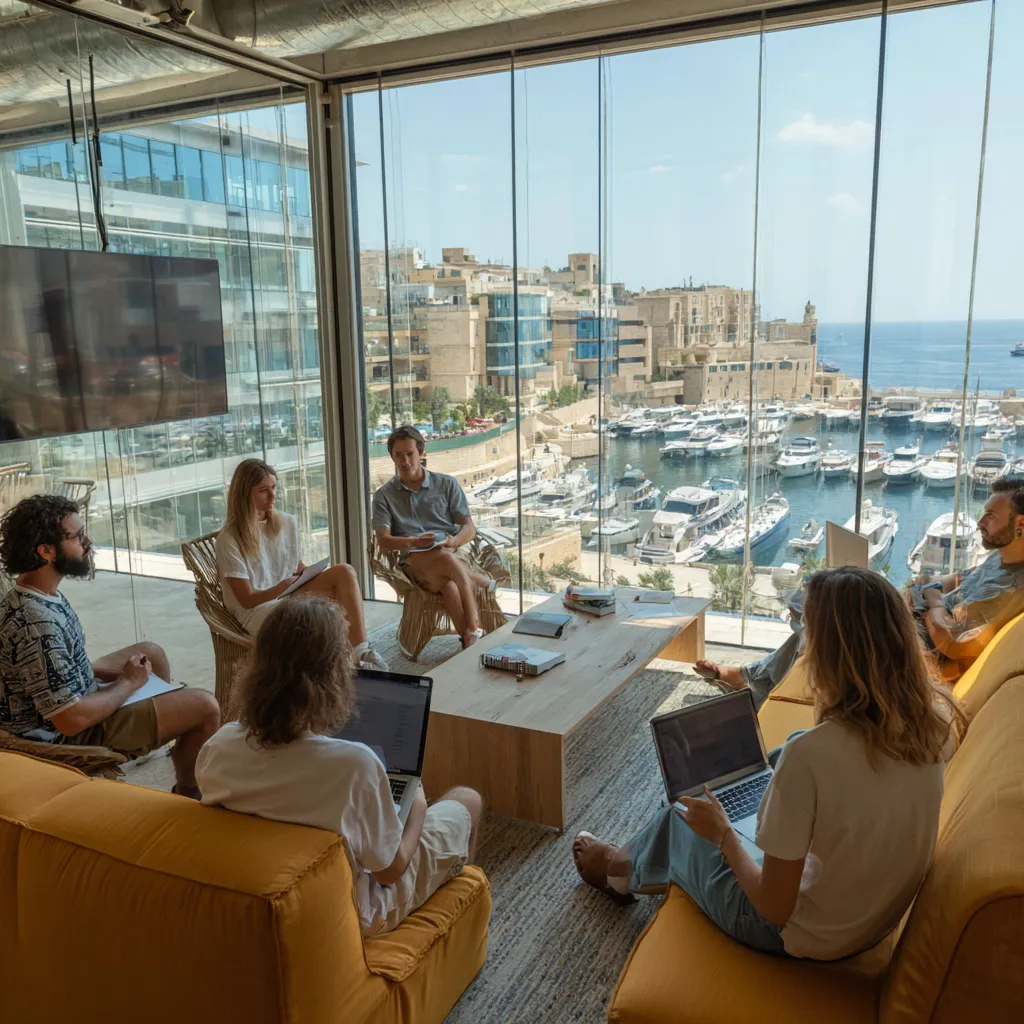
Startups and SMEs in Mosta, Birkirkara or Gozo may not have an HR department, but they can still support staff mental health effectively. Simple steps include formalising flexible hours, allowing occasional remote days, organising peer-support meet-ups and sharing a curated list of local resources.
Examples from local practice: a SaaS startup in Msida scheduling a weekly 'no-meeting' afternoon to reduce context-switching; an iGaming team in St Julian’s running monthly wellbeing workshops with an external facilitator; a shared-services centre partnering with a local counsellor for discounted sessions.
If you’re a candidate or employee in Malta, be explicit in interviews about your preferred working pattern (hybrid, fully remote, core hours). Ask whether the employer offers EAPs, mental-health days, training for managers, or a buddy system for new hires — these are legitimate benefits to discuss.
Managers should proactively communicate wellbeing options during onboarding and performance reviews. Simple transparency — how to access support, who to speak to and what confidentiality to expect — builds trust in both English- and Maltese-speaking workplaces.

Measure success with simple, anonymous KPIs: uptake of counselling, changes in sick leave, staff survey scores and retention rates. Visual dashboards help HR make the business case for investing more in wellbeing.
Keep legal matters practical and local: be mindful of confidentiality, data protection and employment contract terms when implementing programmes. For immigration- or permit-related queries, always check official government guidance rather than social media; EU and non‑EU hires may have different entitlements and expectations.
Signpost staff to local Maltese organisations for support. Many NGOs and community services offer counselling and crisis lines; larger employers often partner with providers to make access easier and more confidential for employees.
Explore more career advice and industry insights.
A practical Malta-focused guide to mental health and wellbeing initiatives in tech workplaces, with examples, tips for employees a…

A practical Malta-focused guide to mental health and wellbeing initiatives in tech workplaces, with examples, tips for employees a…

A practical Malta-focused guide to mental health and wellbeing initiatives in tech workplaces, with examples, tips for employees a…
Find your next opportunity.