

How to Open a Bank Account in Malta: BOV, HSBC, or Revolut?
A practical Malta-focused guide to opening a bank account — comparing BOV, HSBC and Revolut, required documents, and tips for expa…
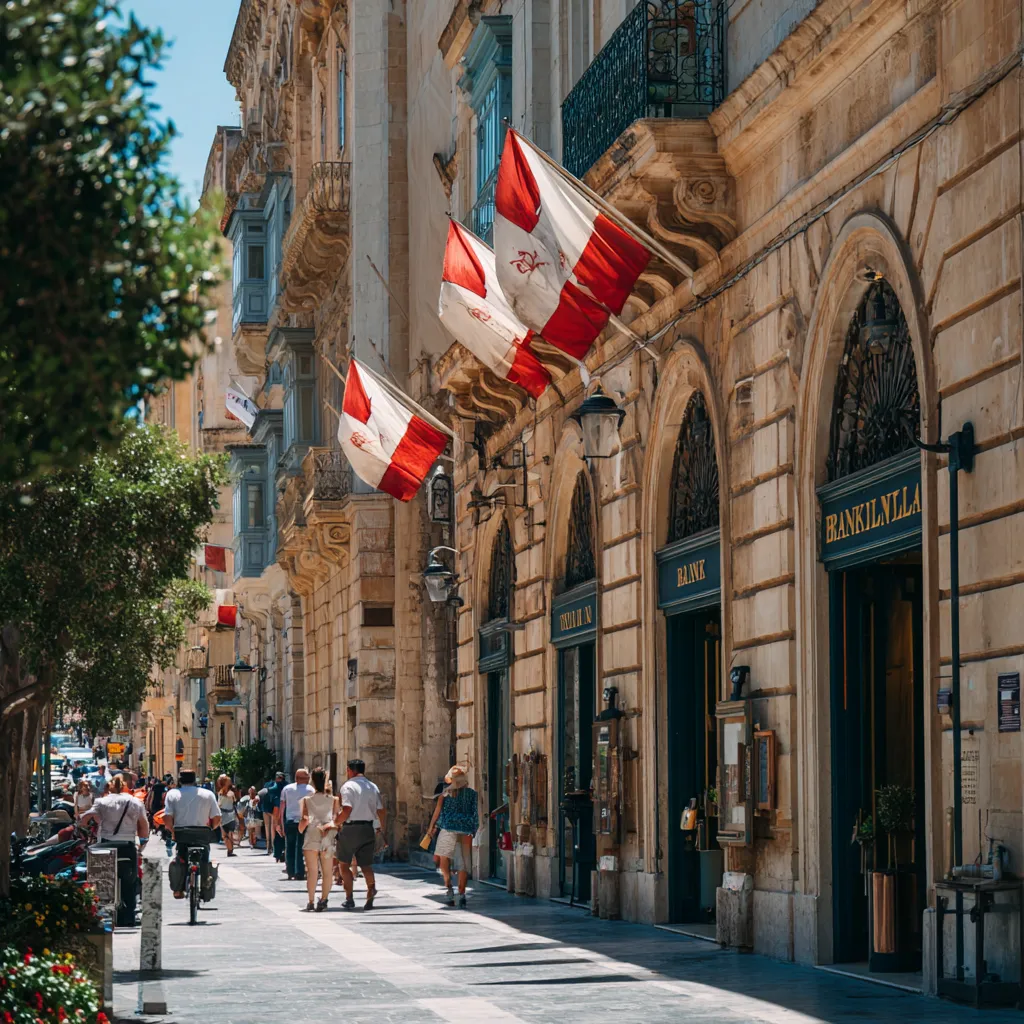
A practical Malta-focused guide to opening a bank account — comparing BOV, HSBC and Revolut, required documents, and tips for expats and jobseekers.
For many employers in Malta, a local IBAN is still the simplest way to pay salaries—check with HR before you choose a fintech-only account.
If you value face-to-face support and cash services, a local branch bank like BOV remains hard to beat; for fast multi-currency transfers, fintech apps are excellent.
If you plan to work, rent or run a business in Malta, having a local bank account makes day-to-day life simpler: employers can pay salaries, landlords prefer local transfers, and many public services expect a Maltese IBAN for direct debits.
Malta’s economy is service-led — finance, iGaming, tourism and shared-service centres around Valletta, St Julian’s, Sliema and Birkirkara — so whether you’re joining an iGaming firm in Ta' Xbiex or a fintech startup in Msida, local banking is often required.
This guide looks at typical options: traditional local banks such as Bank of Valletta (BOV), international banks like HSBC Malta, and app-first challengers such as Revolut. Which is right depends on your residency status, employer needs and how you plan to use the account.

Bank of Valletta (BOV) is Malta’s largest domestic bank with a wide branch network across Malta and Gozo — helpful if you prefer face-to-face service, need notarised documents or want easy cash deposits. Local branches often serve residents, pensioners and small businesses.
HSBC Malta operates as an international full-service bank. It can suit professionals used to global banking features and businesses needing international payment rails, though account opening may follow stricter checks typical of large international banks.
Revolut is a mobile-first fintech popular with expats and frequent travellers for multi-currency accounts and low-fee card use. Because it’s primarily app-based, Revolut is quick to open but may not meet every employer or landlord’s requirements — particularly when a Maltese domestic IBAN or in-branch verification is needed.
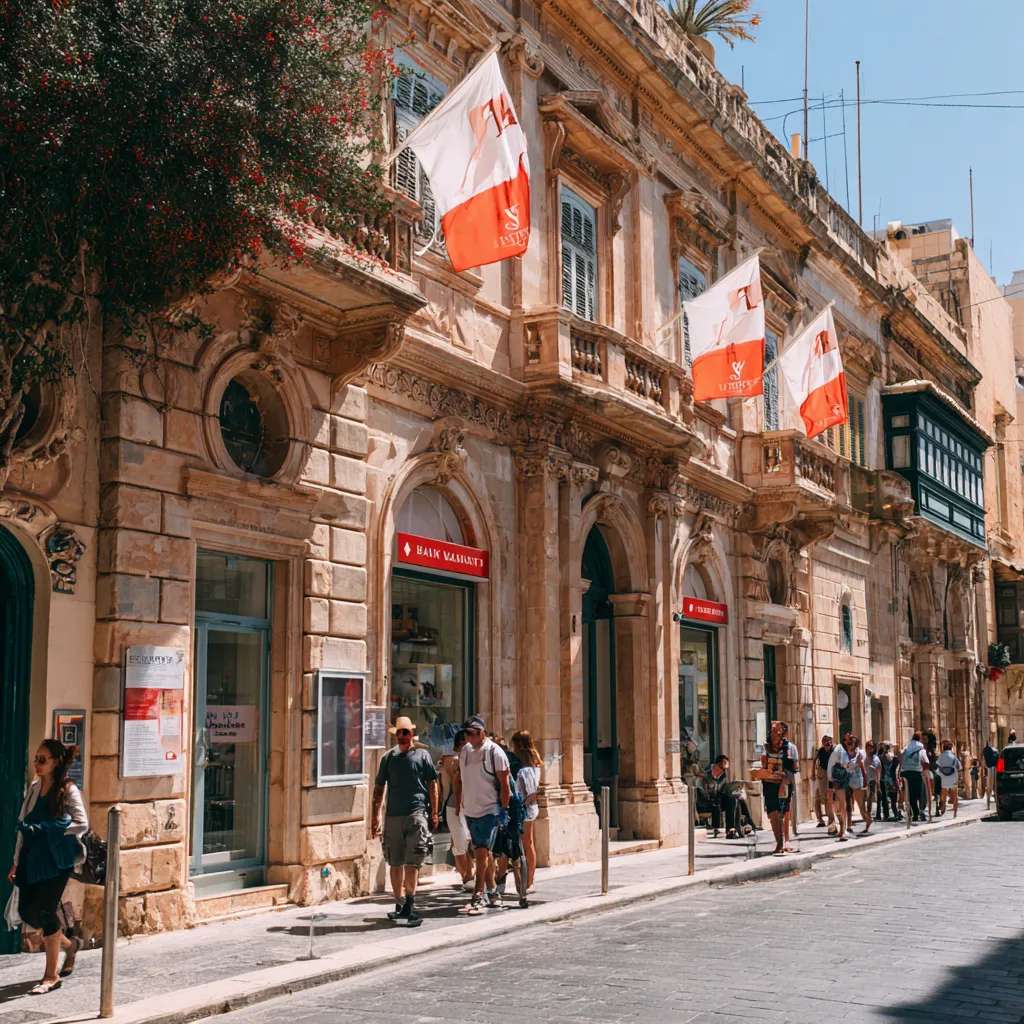
Banks carry out Know Your Customer (KYC) and anti-money-laundering checks, so be ready for identity and address verification. Typical documents are a valid passport or EU ID card, proof of Maltese address (utility bill, tenancy agreement, or residence certificate), and evidence of employment or source of funds.
EU citizens who are resident in Malta usually have an easier path because they can use a Maltese ID card and local proof of address. Non-EU nationals will face similar documentation requests but should also have their residence permit and, if applicable, a work permit.
If you’re moving to Malta for a job, ask your employer’s HR team — many companies in Sliema or St Julian’s will provide a letter of employment or assist with appointment scheduling at a preferred bank branch.
1) Choose the account type you need (current/personal, business, or multi-currency) and confirm acceptance of app-only banks for your intended uses (payroll, rent, SEPA transfers).
2) Book an appointment if required — many BOV and HSBC branches operate on an appointment system, while fintechs like Revolut onboard online without a branch visit. Arrive with your documents and be prepared to answer questions about employment and expected transaction volumes.
3) Set up online banking, order a debit card and confirm details your employer needs for payroll (IBAN, SWIFT/BIC). Keep a printed copy of the bank confirmation and your card for initial transactions.
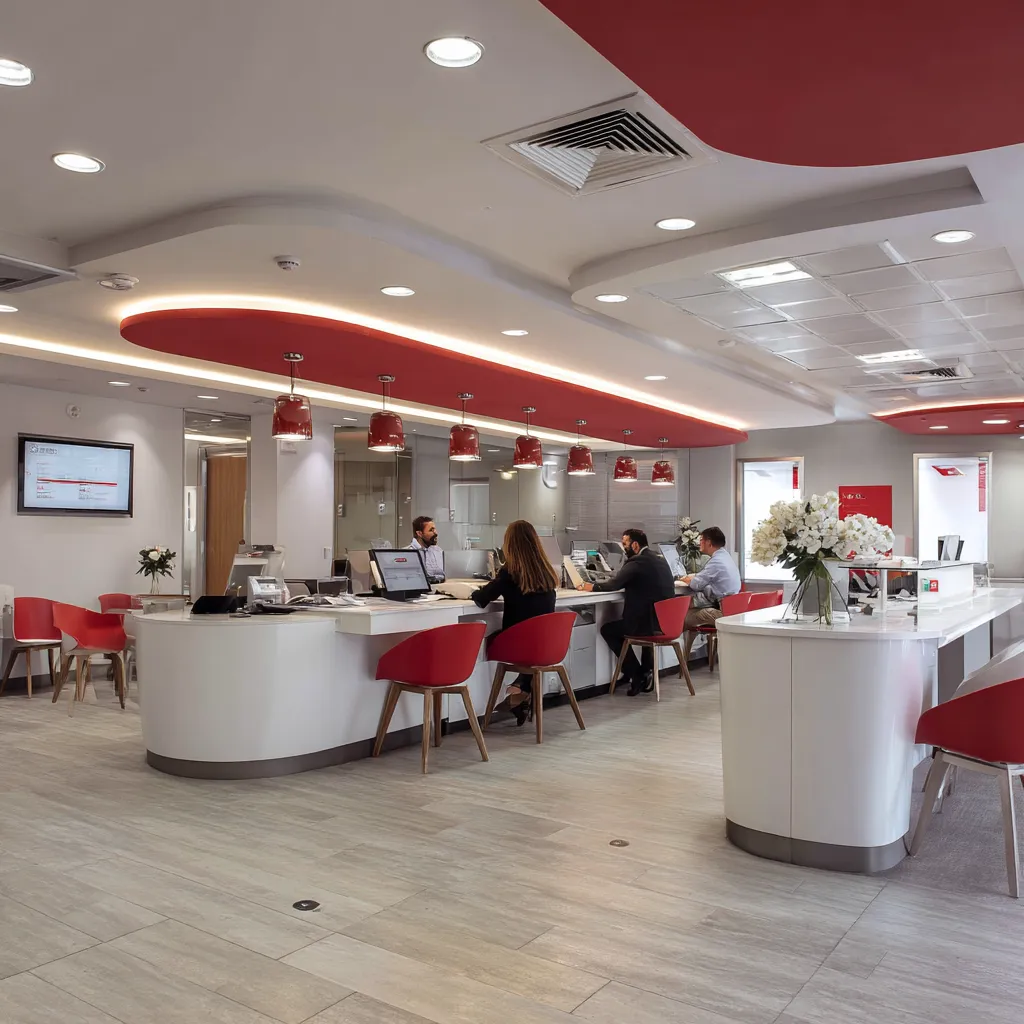
Don’t assume every employer will accept a fintech IBAN — some payroll departments prefer traditional Maltese bank accounts. Before choosing Revolut or another challenger, confirm with HR whether your salary can be paid to that account.
Be ready for waiting times: branch appointments can take days or weeks during busy seasons (e.g., end of hiring cycles in iGaming and finance). If you need an account quickly, plan a temporary solution — some banks offer simplified accounts for new residents.
Use local networks: Facebook expat groups, Maltese relocation services and HR teams in hubs like Msida and Birkirkara can point you to banks with fast onboarding and bilingual staff (English and Maltese).
Explore more career advice and industry insights.
A practical Malta-focused guide to opening a bank account — comparing BOV, HSBC and Revolut, required documents, and tips for expa…

A practical Malta-focused guide to opening a bank account — comparing BOV, HSBC and Revolut, required documents, and tips for expa…

A practical Malta-focused guide to opening a bank account — comparing BOV, HSBC and Revolut, required documents, and tips for expa…
Find your next opportunity.