
Getting Around: Do You Need a Car as a Tech Expat in Malta?
A practical, Malta-focused guide for tech expats weighing public transport, rideshares and owning a car — with local tips for comm…
A practical, Malta-focused guide for tech expats weighing public transport, rideshares and owning a car — with local tips for commuting to hubs like St Julian’s, Sliema and Valletta.
For many tech expats the best choice is hybrid: use public transport for daily commutes and rent a car for weekends or island trips.
Test your real commute for a month before buying — Malta is small, but pockets of congestion and parking limits change the equation.
Malta’s tech scene — from iGaming studios and finance shared-service centres to startups clustered around Sliema, St Julian’s and Msida — has grown fast, and so have commute patterns. Whether you need a car depends on your team’s working model (fully remote, hybrid, or office-first), where you live and how often you’ll travel across the island.
For many tech expats the decision is not just convenience but cost and lifestyle: Malta is compact, public transport connects the main hubs, and walking between local amenities is easy in towns like Birkirkara or Mosta. Conversely, if you plan weekend trips to Gozo, remote work from quieter villages, or frequent hardware deliveries, a car becomes more appealing.
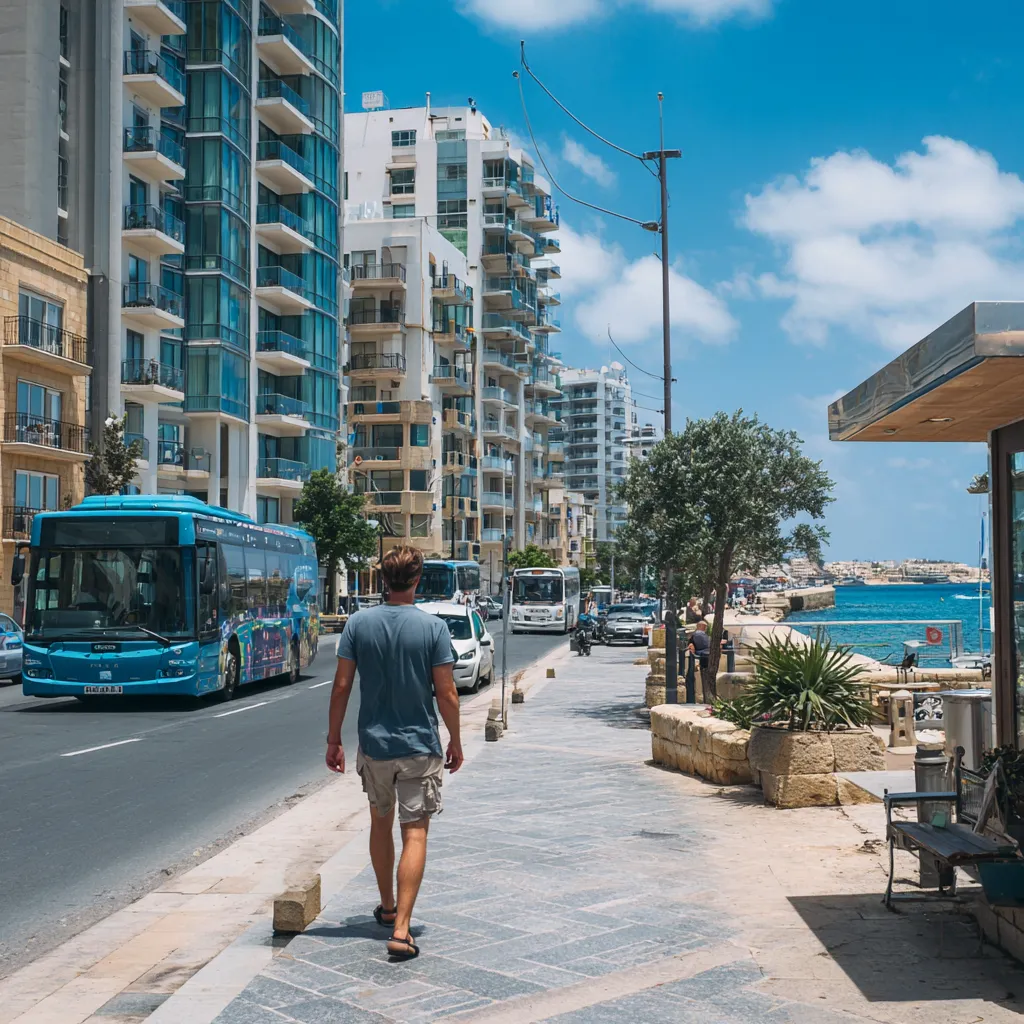
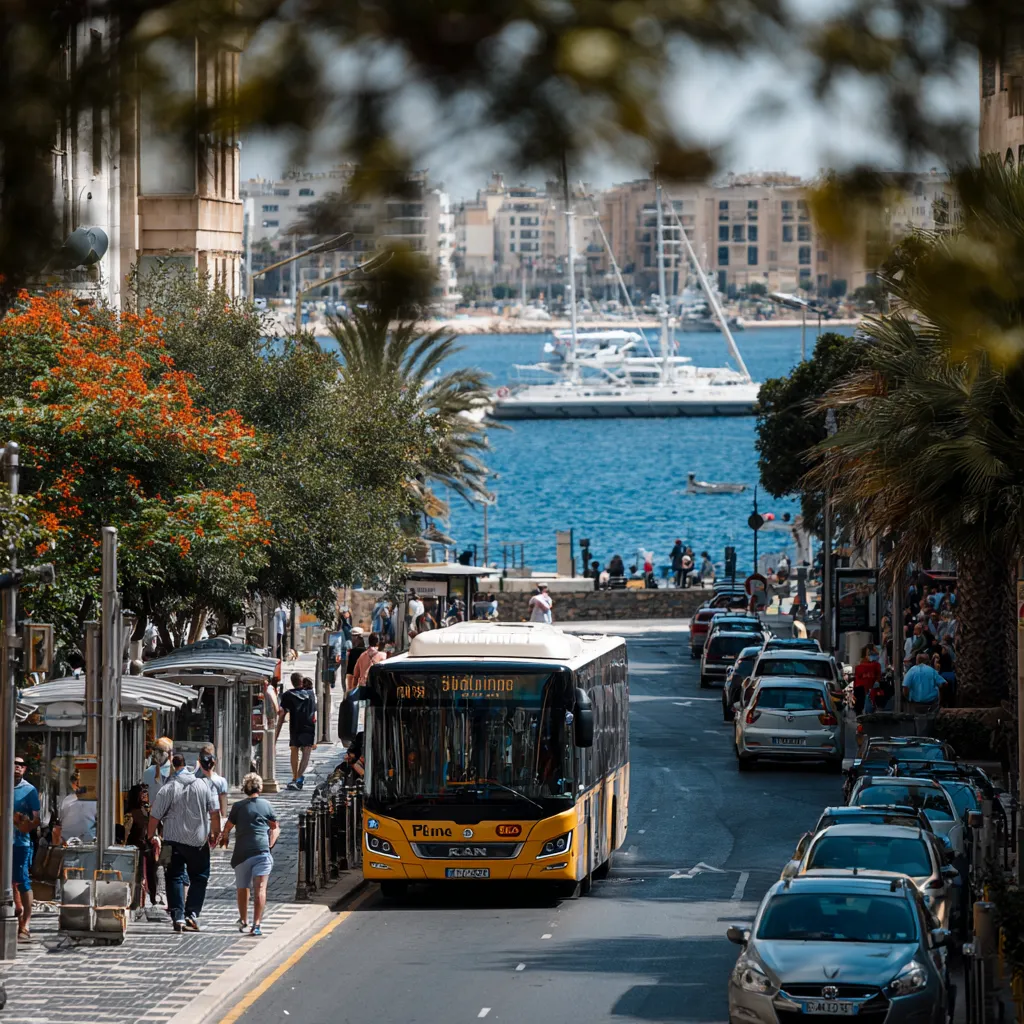
Buses are the backbone of commuting in Malta and reach major employment centres including Valletta, St Julian’s and the business parks around Mriehel and Birkirkara. Frequency varies by route and time of day, so expect longer waits for cross-island journeys compared with short hops between Sliema and St Julian’s.
Taxis and ride-hailing apps provide on-demand options for late shifts or when you need direct door-to-door travel; there’s also a short ferry between Valletta and Sliema and a separate service to Gozo for island travel. For short inner-town trips many tech workers simply walk or cycle — though cycling infrastructure is limited compared with northern European cities.
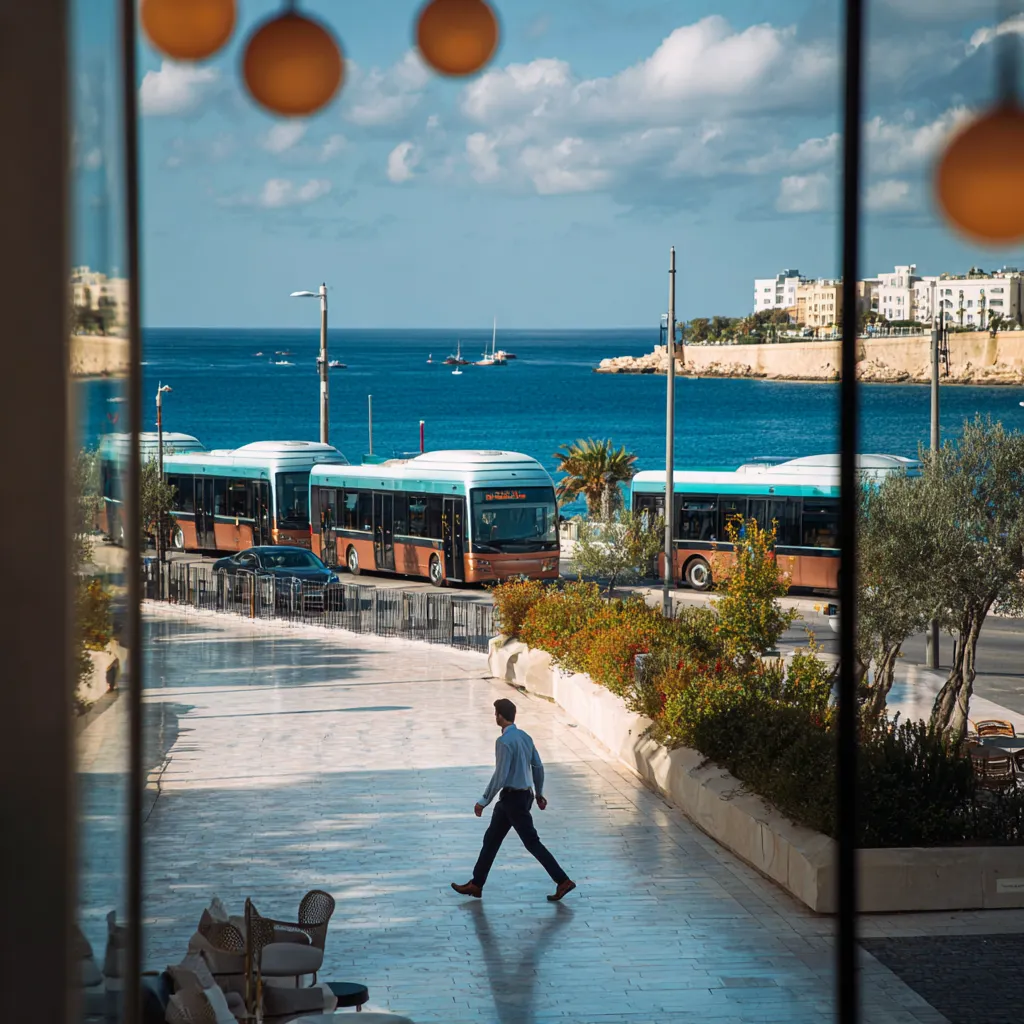
Pros include flexibility for off-hours, easier grocery runs and weekend escapes — especially if you plan to explore rural parts of Malta or commute from outside town centres. A car is also handy if you often meet clients across multiple locations or work odd hours.
Cons are real: narrow streets in older towns, limited parking close to central offices, and additional costs such as insurance, maintenance and fuel. Driving is on the left in Malta, and road etiquette and parking norms can take a little getting used to for newcomers.
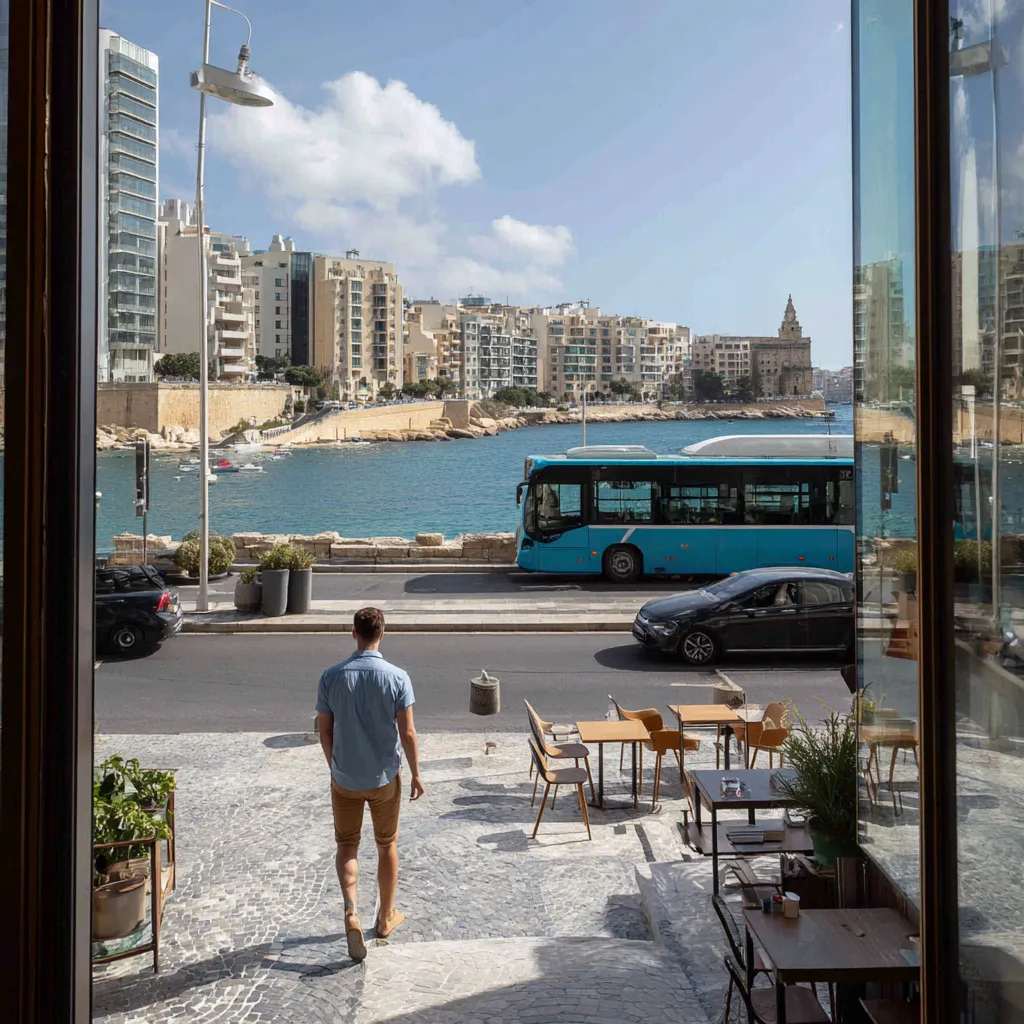
If you’re newly arrived, test your real needs before committing. Short-term car hire or leasing lets you try a commute pattern for a month or two. Many tech teams in Malta also organise carpooling or company shuttles for staff in shared-service centres and larger iGaming offices.
Look for community groups and expat forums where colleagues share tips on long-term rentals, trusted mechanics and cheaper parking spots. Also check if your employer offers mobility benefits — some companies subsidise public transport passes or provide parking allowances for employees.
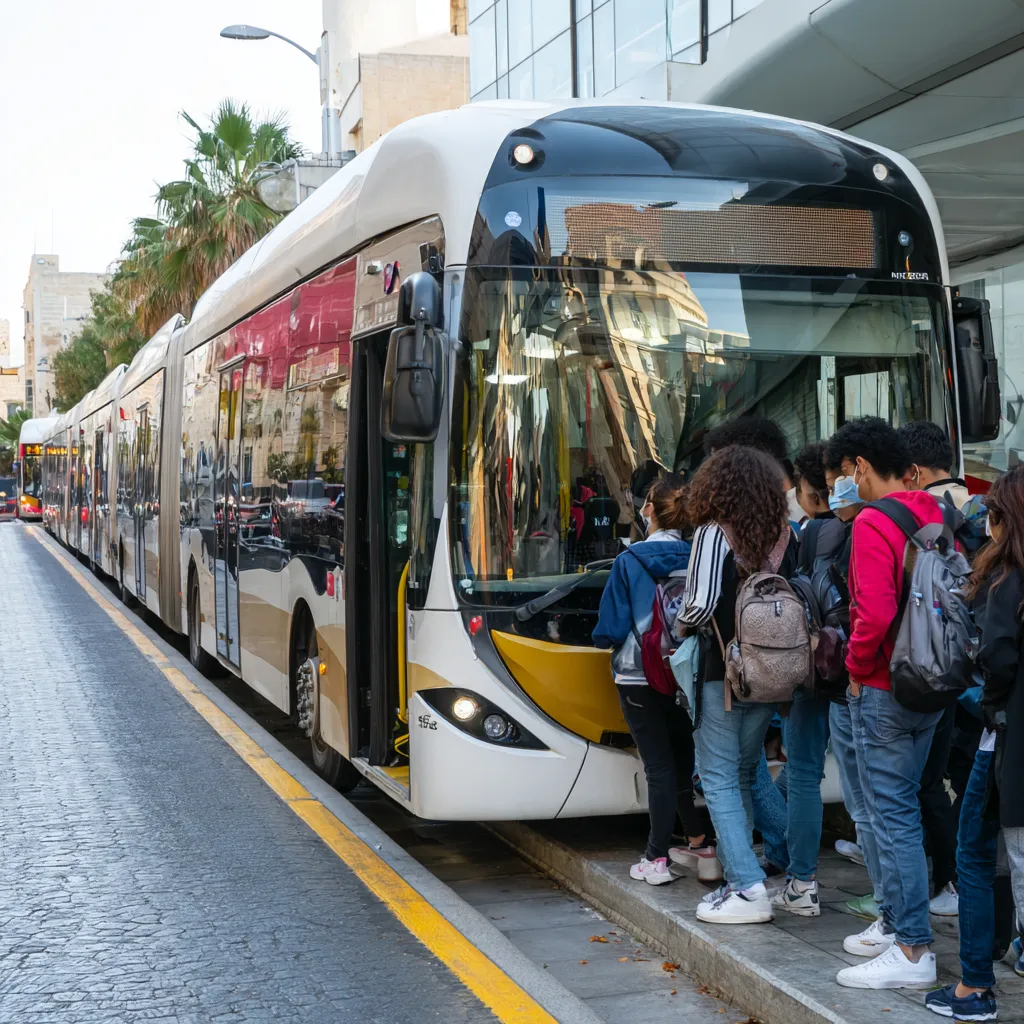
Week 1–4: Map your commute. Time the journey by bus, ride-hail and car during peak hours and off-peak; note costs and convenience. Factor in where meetings usually happen — are they clustered in St Julian’s or spread across the island?
Month 2–3: Try alternatives. Rent a car for a weekend or a week, test a lease, or join a carpool. Keep a simple cost log (fares, fuel, parking) and compare against monthly public transport passes and ride-hail spends. After 90 days you should have clear data to decide.
Explore more career advice and industry insights.
A practical, Malta-focused guide for tech expats weighing public transport, rideshares and owning a car — with local tips for comm…
A practical, Malta-focused guide for tech expats weighing public transport, rideshares and owning a car — with local tips for comm…

A practical, Malta-focused guide for tech expats weighing public transport, rideshares and owning a car — with local tips for comm…
Find your next opportunity.