

Getting Around: A Guide to Public Transport vs Owning a Car in Malta
A practical Malta-focused guide comparing public transport and car ownership to help workers and jobseekers decide how best to com…

A practical Malta-focused guide comparing public transport and car ownership to help workers and jobseekers decide how best to commute around Valletta, Sliema, St Julian’s and beyond.
In Malta the shortest distance doesn't always mean the quickest commute — timing and local hubs matter.
Try the commute before you buy a car; many candidates underestimate how reliable buses are between key business districts.
Malta is a compact island, but where you live and how you travel can have an outsized effect on your day-to-day work life — from punctuality for interviews to the cost of commuting when working at offices in Sliema, Valletta, St Julian’s or shared-service centres in Birkirkara.
Different sectors create different travel needs: hospitality and tourism roles often require shift flexibility and easy access to St Julian’s and Paceville, while iGaming, finance and tech jobs cluster around Sliema, Ta' Xbiex and most office hubs that attract daily commuters.
Deciding between public transport and a car is often a question of trade-offs: cost versus convenience, parking availability versus route reliability, and whether your employer offers hybrid or remote working that changes commuting frequency.
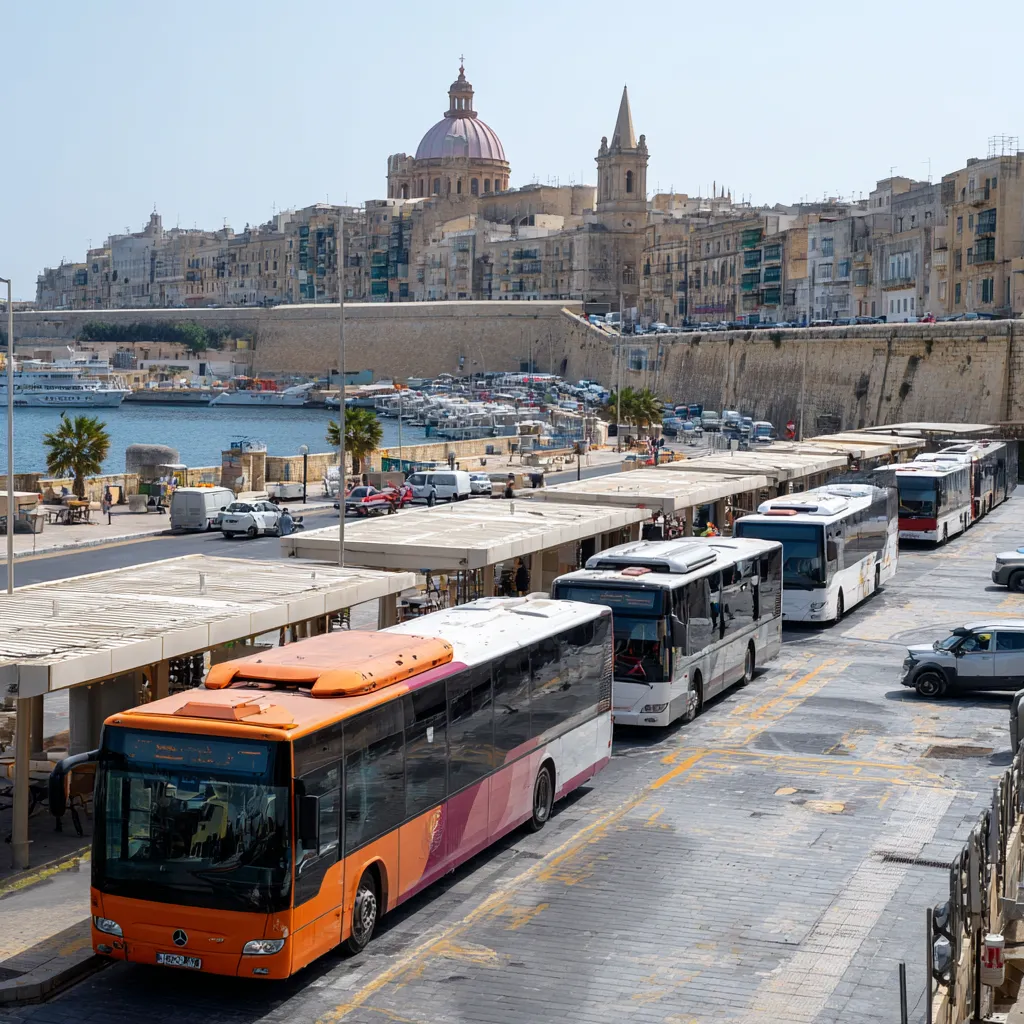
Buses are the backbone of Malta’s public transport. Routes connect major employment areas — Valletta, Sliema, St Julian’s, Birkirkara, Mosta and Msida — and there are regular services for commuters, plus the Gozo ferry for those working between islands.
For jobseekers and employees, the advantages are predictable costs, no parking headaches and the ability to use travel time productively. Mobile travel apps and monthly passes make frequent travel straightforward, and many employers understand commute times when scheduling.
The downsides are occasional delays during peak tourist season, limited early-morning or late-night coverage on some routes, and crowded buses on key commuter lines. Plan routes in advance, check timetables, and consider alternative start times if your employer allows flexible hours.

A car offers maximum flexibility — useful for shift workers, parents juggling school runs, or people living outside main bus corridors. Driving can cut door-to-door time for many commutes and makes weekend trips around the island or to Gozo easier.
However, Malta’s roads are narrow in many older towns, parking in Sliema and St Julian’s can be expensive or limited, and rush-hour congestion is a real consideration for daily drivers. Owning a car also means budgeting for insurance, fuel, maintenance and vehicle inspections.
If you’re relocating to Malta for work, consider a short-term rental or car share to trial driving before committing to purchase. Speak to local employers about parking availability or transport allowances during the hiring process.
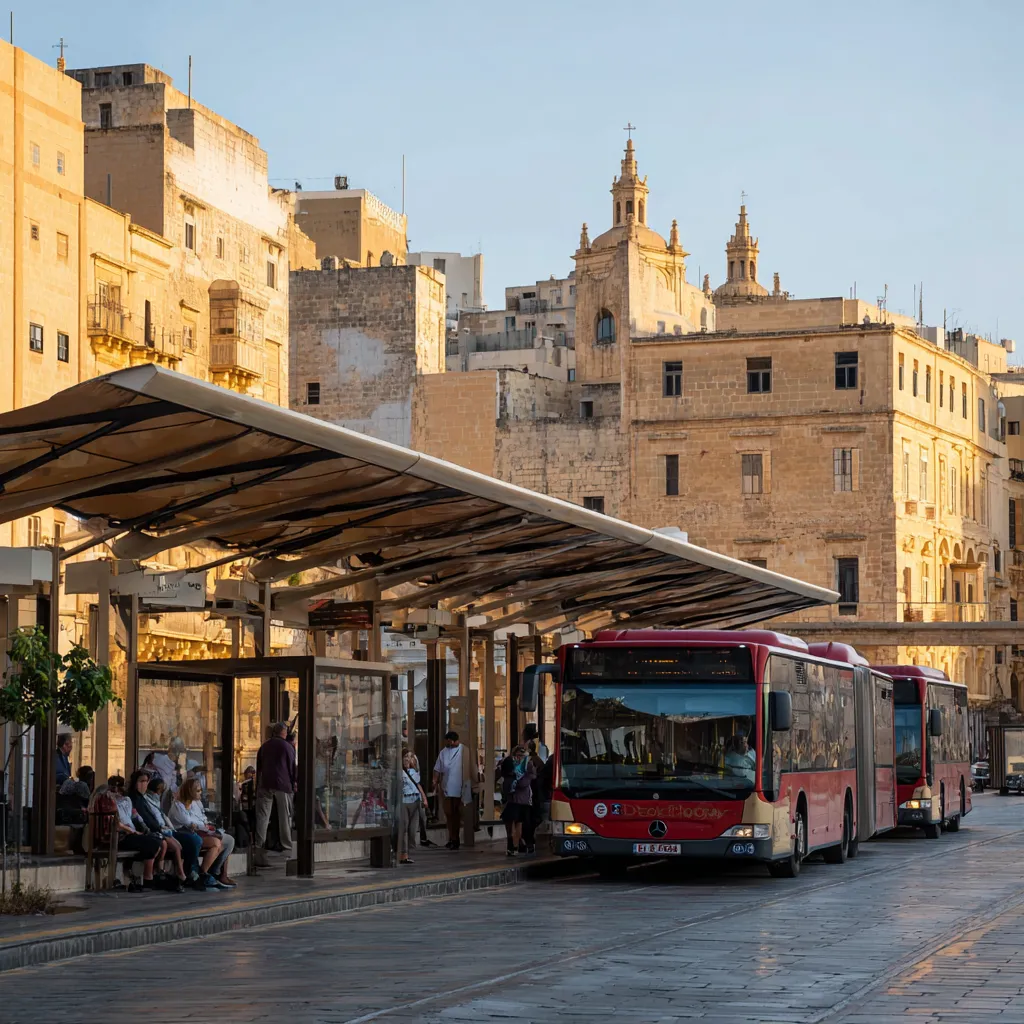
Rather than fixed numbers, think in categories: one-off costs (buying, registration), recurring costs (fuel, insurance, inspections), and time costs (time spent driving vs on public transport). For many professionals, a monthly pass plus occasional taxi or ride-hail trips is cheaper than full car ownership.
There are hybrid approaches worth considering: park-and-ride from outer towns, carpooling with colleagues in Msida or Birkirkara, or combining cycling for short last-mile commutes with buses for the longer part of the journey.
Also factor in non-monetary elements that matter to employers and candidates in Malta: environmental priorities, stress from driving, and the flexibility to attend late meetings or events in tourism-heavy areas.
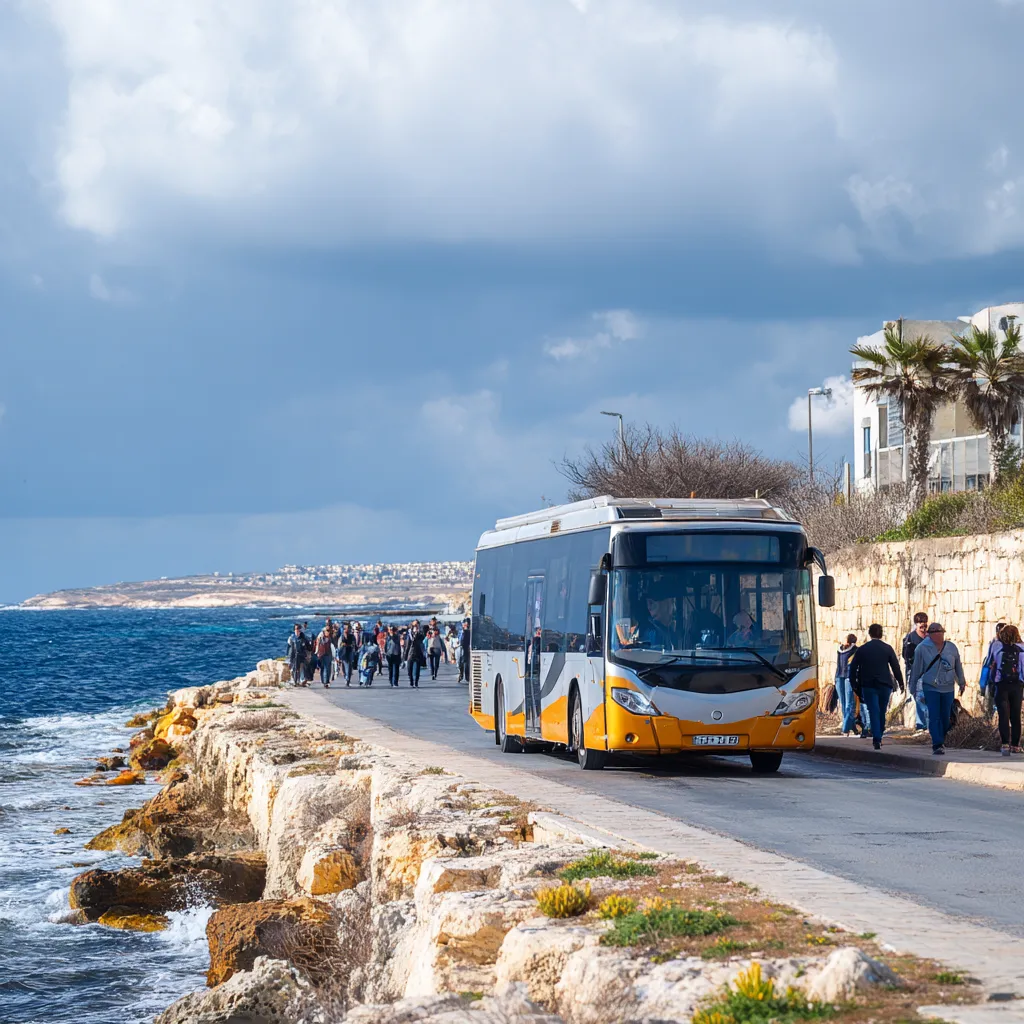
Start by mapping your job location and typical hours, then test the commute: ride the bus during rush hour for a week; try a short car rental for weekends or a few weekdays. That practical trial gives clearer insight than assumptions.
Ask your employer or recruiter about start times, flexible working policies, and whether the company offers travel help. If you’re an expat, check relocation advice from your employer and verify work-permit implications separately with official sources.
Use a simple 30–90 day plan: week 1–2 test public transport, month 1 evaluate cost and time, month 2 try alternative routes or car-share, month 3 decide on buying a car or committing to public transport based on actual experience.
Explore more career advice and industry insights.
A practical Malta-focused guide comparing public transport and car ownership to help workers and jobseekers decide how best to com…

A practical Malta-focused guide comparing public transport and car ownership to help workers and jobseekers decide how best to com…

A practical Malta-focused guide comparing public transport and car ownership to help workers and jobseekers decide how best to com…
Find your next opportunity.