

Top Recruitment Agencies vs Direct Application: Pros & Cons
A practical Malta-focused guide comparing recruitment agencies and direct applications, with pros, cons and when to use each appro…

A practical Malta-focused guide comparing recruitment agencies and direct applications, with pros, cons and when to use each approach in Valletta, Sliema, St Julian’s and beyond.
Recruiters open doors to hidden roles, but direct applications give you control — use both strategically.
In a small island market like Malta, local networks and a tailored CV often beat mass applications.
For niche iGaming and finance roles in Sliema and St Julian’s, specialist agencies can be the fastest route to interview.
Malta’s job market mixes big international players (iGaming, finance, shared-service centres) with a strong local hospitality and public sector presence; whether you use a recruitment agency or apply directly can change how quickly you hear back, what roles you can access, and how well your application is positioned.
For candidates — locals, EU nationals and non‑EU relocators — the differences matter: agencies often know about unadvertised vacancies in St Julian’s or Msida, while direct applications suit those targeting a specific employer in Valletta or a startup in Birkirkara. This article helps you weigh both approaches so you can plan a practical job search in Malta.

Recruitment agencies act as intermediaries between employers and candidates. In Malta they range from international headhunters placing senior finance or iGaming roles to local specialist firms covering hospitality, retail or administrative positions. Agencies typically pre-screen candidates, coordinate interviews and sometimes help negotiate offer terms.
Many agencies work closely with employers in hubs like St Julian’s, Sliema and Msida and can speed up access to roles that never make it to public job boards. Keep in mind agencies usually fill roles on behalf of employers — their client is the hiring company — so transparency about your salary expectations, availability and permit status is essential.

Pros: agencies can provide quick access to unadvertised vacancies, a helpful advocate during negotiations, and interview coaching. They’re useful if you’re juggling applications or need targeted help for technical roles in finance or iGaming.
Cons: agencies don’t guarantee placements, some roles are exclusive to direct company processes, and you may feel a loss of control over the application. For non-EU candidates, agencies can help with paperwork guidance but cannot replace official immigration advice.

Pros: direct applications give you full control of your message, let you tailor applications to company culture (important for hospitality roles in St Julian’s and tourism businesses in Gozo), and are often necessary for public sector roles advertised through Jobsplus or company career pages.
Cons: you may miss unadvertised opportunities and face longer waiting times for responses. Some large employers and shared-service centres run centralised recruitment platforms that favour candidates who apply through their careers portal rather than third-party CVs.

Choose agencies if you need speed and access to hidden vacancies, or if you’re a specialist (e.g. iGaming developer, finance analyst) whose profile matches agency client lists. Choose direct application when you have a specific employer in mind, want to tailor your application closely, or are applying for public sector or hospitality roles that advertise openly.
30–90 day plan: Week 1–2: prepare a Malta‑friendly CV and LinkedIn profile (include English/Maltese language skills, notice period and right‑to‑work); Week 3–6: register with 2–3 reputable agencies that specialise in your sector and apply directly to 8–12 companies; Week 6–12: follow up, attend networking events in Valletta/Sliema, and refine applications based on feedback.
Documents and profile: have an up‑to‑date CV (1–2 pages for most roles), a tailored cover letter, at least two referees, and clear contact details. State language skills (English and Maltese levels) and your current location — employers prefer to know if you’re local or require relocation.
Interview & negotiation tips: research usual benefits in your sector (probation length, bonus structure in iGaming/finance, seasonal contracts in hospitality), be ready to discuss salary expectations sensibly with local ranges in mind, and ask practical questions about hybrid work arrangements and starter dates.
Explore more career advice and industry insights.
A practical Malta-focused guide comparing recruitment agencies and direct applications, with pros, cons and when to use each appro…
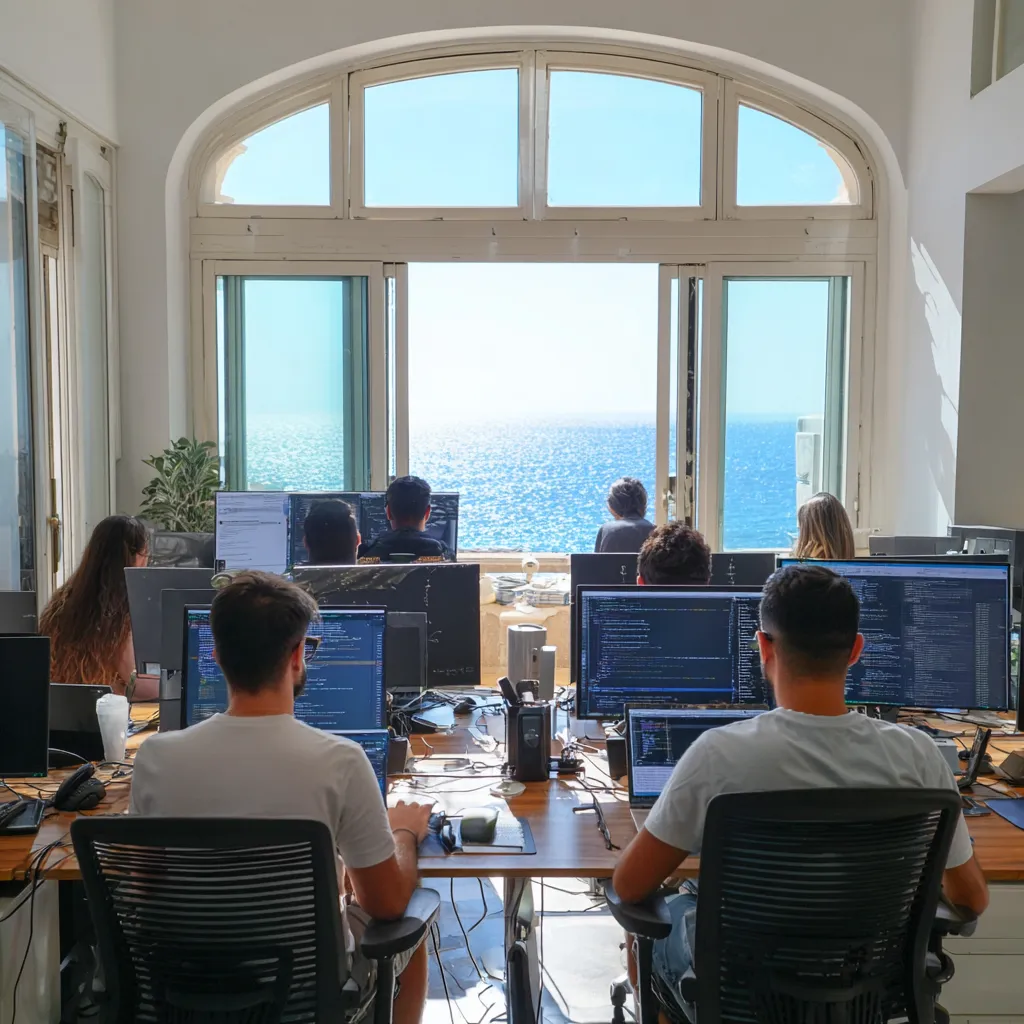
A practical Malta-focused guide comparing recruitment agencies and direct applications, with pros, cons and when to use each appro…

A practical Malta-focused guide comparing recruitment agencies and direct applications, with pros, cons and when to use each appro…
Find your next opportunity.