

Relocating with Pets to Malta: A Step-by-Step Guide
A practical, Malta-focused step-by-step guide to moving to Malta with pets, covering paperwork, travel, local vets, housing and se…
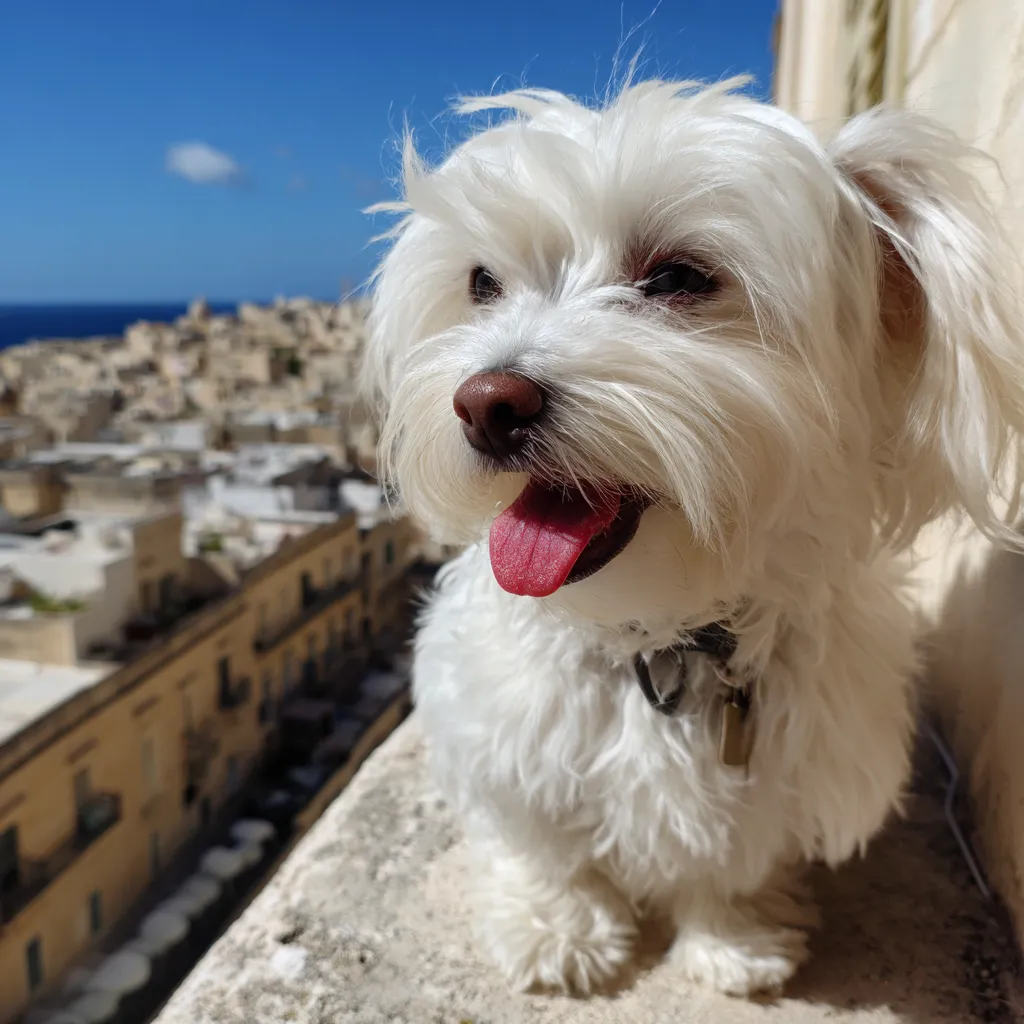
A practical, Malta-focused step-by-step guide to moving to Malta with pets, covering paperwork, travel, local vets, housing and settling-in tips for working expats.
Plan your paperwork first — Malta’s small size means logistics are simple, but rules and space require organization.
Ask prospective landlords about pets early; a short meeting between your pet and the owner can make all the difference.
Malta is a small island with a lively jobs market — from iGaming and finance roles in Sliema, St Julian’s and Msida to tourism and hospitality jobs around Valletta and the beaches. That makes it an attractive destination for professionals, but limited rental stock and island logistics mean moving with a pet needs extra preparation.
Whether you’re relocating for a shared-service centre role or joining a startup, planning ahead helps avoid surprises: landlords’ pet policies, airline restrictions at Malta International Airport, and finding a local vet are all things you’ll want handled before your first workday.

Start with the basics early: an ISO-compliant microchip, up-to-date vaccinations (including rabies where applicable) and a health certificate. EU citizens will usually travel with an EU pet passport; non-EU owners should check the Maltese authorities and their own country’s export rules for specific entry requirements.
Talk to your local vet well in advance to schedule vaccines and any tests that must be completed a specific number of days before travel. If you work with a pet relocation company, they can help coordinate timing so paperwork doesn’t lapse between departure and arrival.
Always verify requirements with official sources shortly before travel; rules can change and mistakes can lead to denied boarding or quarantine.

Most international travellers arrive at Malta International Airport near Luqa. Airlines have different cabin and cargo rules for pets, so check carrier policies before booking. For Gozo moves, remember there’s an extra ferry leg — check ferry operator guidance for pets and crates.
For complex moves (multiple pets, large dogs, or non-standard routes) consider a specialist pet transporter who can manage crate sizing, airline coordination and arrival clearance. On the day of travel, keep your pet calm with familiar bedding, proper food timings and an easily accessible health certificate.

The rental market in Malta can be competitive. Central areas like Sliema, St Julian’s and Msida have many apartments close to offices but can have stricter pet policies. Suburbs such as Birkirkara, Mosta and some parts of Paola often offer more space and garden access. Gozo is an option if you prefer rural life and freedom for pets.
When searching, filter listings for ‘pets allowed’, be ready to provide references, and offer a pet deposit or meet-and-greet with the landlord. Building typology matters: consider balconies and stair access, and whether lifts permit pets during peak hours.

Register with a local veterinarian as soon as you arrive — many clinics are located in Valletta, Sliema, St Julian’s and Birkirkara. Ask about registration, routine care, emergency clinics and any local registration your pet may need. Consider pet insurance to help manage unexpected bills.
Build a support network: local expat and neighbourhood Facebook groups, Maltese pet-owner communities, and recommendations from colleagues are invaluable. Look for groomers, day-care centres and trusted pet sitters early, especially if you’ll be working long hours during probation at a new job.
If you plan longer stays away for work, research boarding or home visits well in advance; quality kennels can book up in peak tourist season.
Map tasks across the first three months: within 30 days register with a vet, finalise housing adjustments for pets, and join local pet groups. By 60 days, complete any outstanding vaccinations or paperwork and set up regular grooming or day-care if needed. By 90 days, you should have a trusted routine and emergency plan in place.
If you’re starting a job in Malta’s busiest sectors — iGaming, finance, hospitality or shared-services — ask your new employer early about flexible hours or remote days during settling-in. Many Maltese workplaces are English-speaking and accustomed to expat needs; a short probationary period is common, so communication about pet-related arrangements helps avoid conflicts.
Explore more career advice and industry insights.
A practical, Malta-focused step-by-step guide to moving to Malta with pets, covering paperwork, travel, local vets, housing and se…

A practical, Malta-focused step-by-step guide to moving to Malta with pets, covering paperwork, travel, local vets, housing and se…

A practical, Malta-focused step-by-step guide to moving to Malta with pets, covering paperwork, travel, local vets, housing and se…
Find your next opportunity.