

Remote vs Office: What Top Malta Employers are Offering Now
A practical Malta-focused guide to what leading local employers are offering on remote, hybrid and office working — and how to eva…
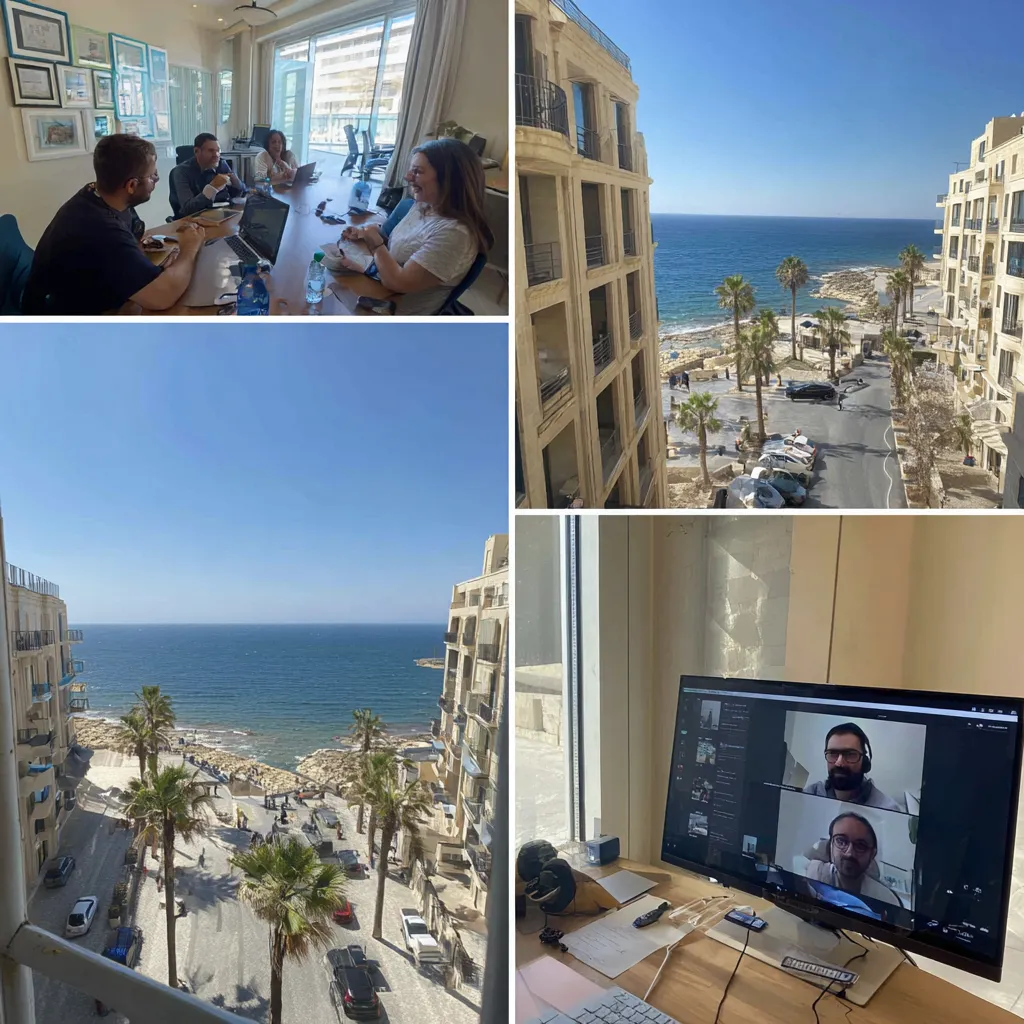
A practical Malta-focused guide to what leading local employers are offering on remote, hybrid and office working — and how to evaluate offers, tailor your CV and plan a move.
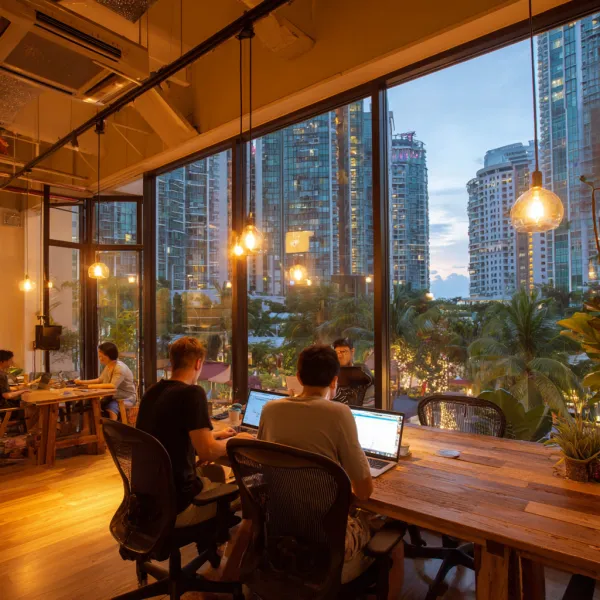
Many Malta employers now blend in-office collaboration with remote focus days — the key is agreeing expectations up front.
Don’t judge an offer by salary alone: equipment, travel time and promotion paths shape the real value of hybrid roles in Malta.
Malta’s job market has matured quickly: iGaming, finance, shared-service centres and tech startups now compete for talent in compact hubs such as Sliema, St Julian’s, Msida and Birkirkara, while tourism and hospitality remain seasonally important around Valletta and Gozo.
That mix means employers vary widely in approach — some insist on full-time office presence for collaboration and client-facing roles, others offer flexible hybrid models or fully remote arrangements to attract international talent and retain skilled staff.
For candidates this matters because working patterns affect salary, benefits, commuting, visa/permit arrangements and long-term career progression — all crucial when choosing between similar offers.
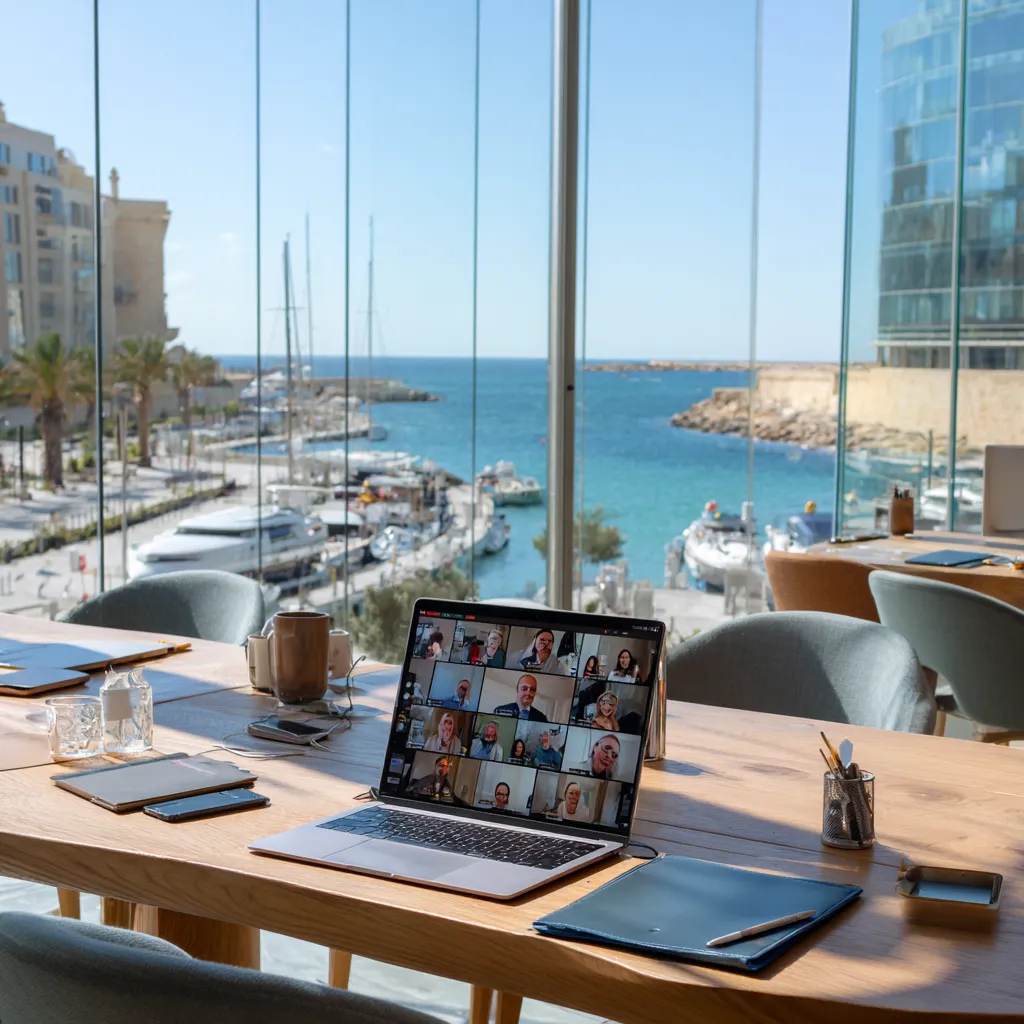
iGaming companies (largely based in St Julian’s and Sliema) commonly offer hybrid working: core days in-office for product launches and compliance work, with remote days for focused development. Many pair this with generous training budgets, performance bonuses and flexible hours.
Finance and professional services firms in Valletta and Msida often require more office time for client meetings and regulated tasks, but larger banks and SSCs are introducing staggered shifts, partial remote weeks and remote roles for specialised functions like data analytics.
Hospitality and tourism employers—hotels, restaurants and event companies—remain largely office/on-site oriented for operational roles, but management, marketing and reservations teams increasingly accept remote or hybrid working during off-peak seasons.
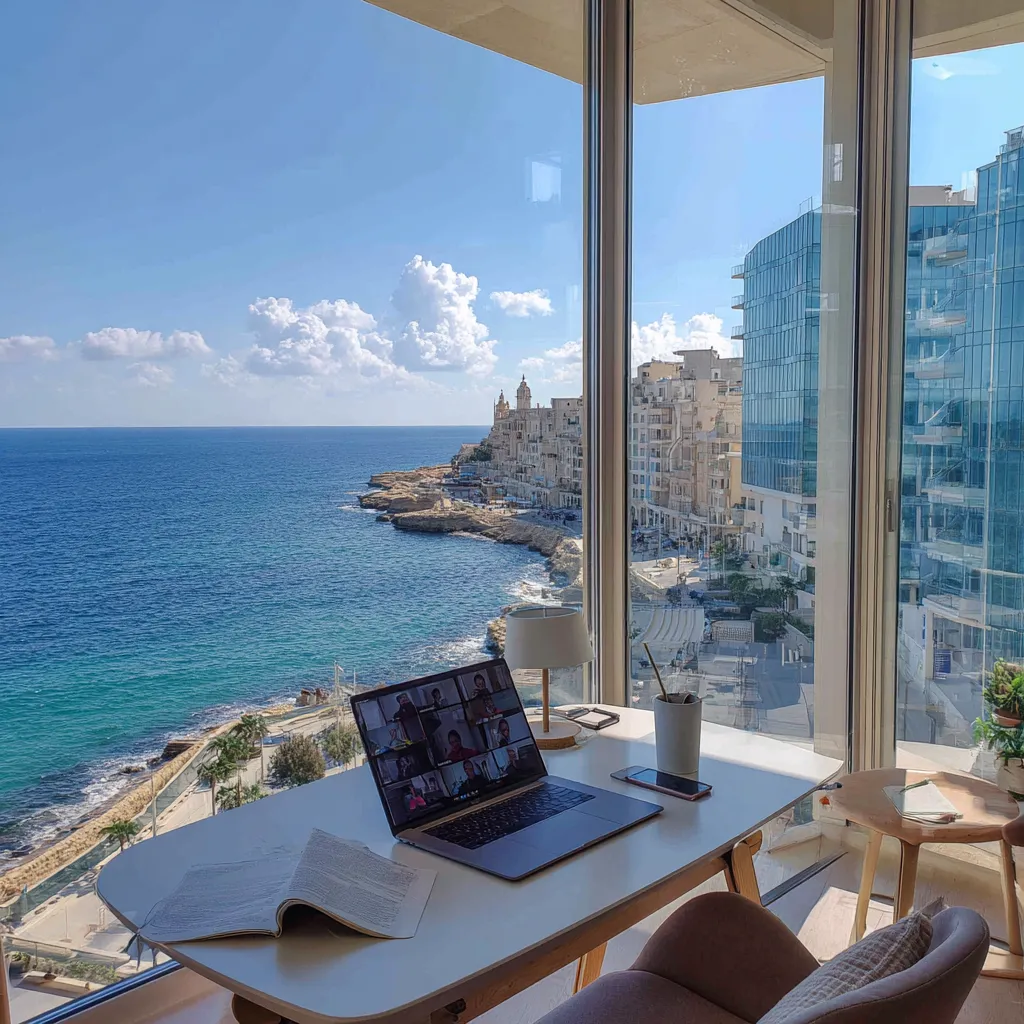
Beyond salary, check the employer’s stance on equipment (laptop, monitors, phone), home-office allowances, and internet reimbursement — these can materially affect take-home value for a remote role.
Ask about expectations for ‘core hours’, frequency of required office days, probation-period policies, and whether being remote will limit promotion opportunities or client-facing responsibilities.
Consider commute time in Malta’s traffic patterns (Sliema–St Julian’s corridor, Birkirkara routes) and the cost of renting near hotspots; sometimes a slightly lower salary with remote days offsets a high rental premium in central localities.
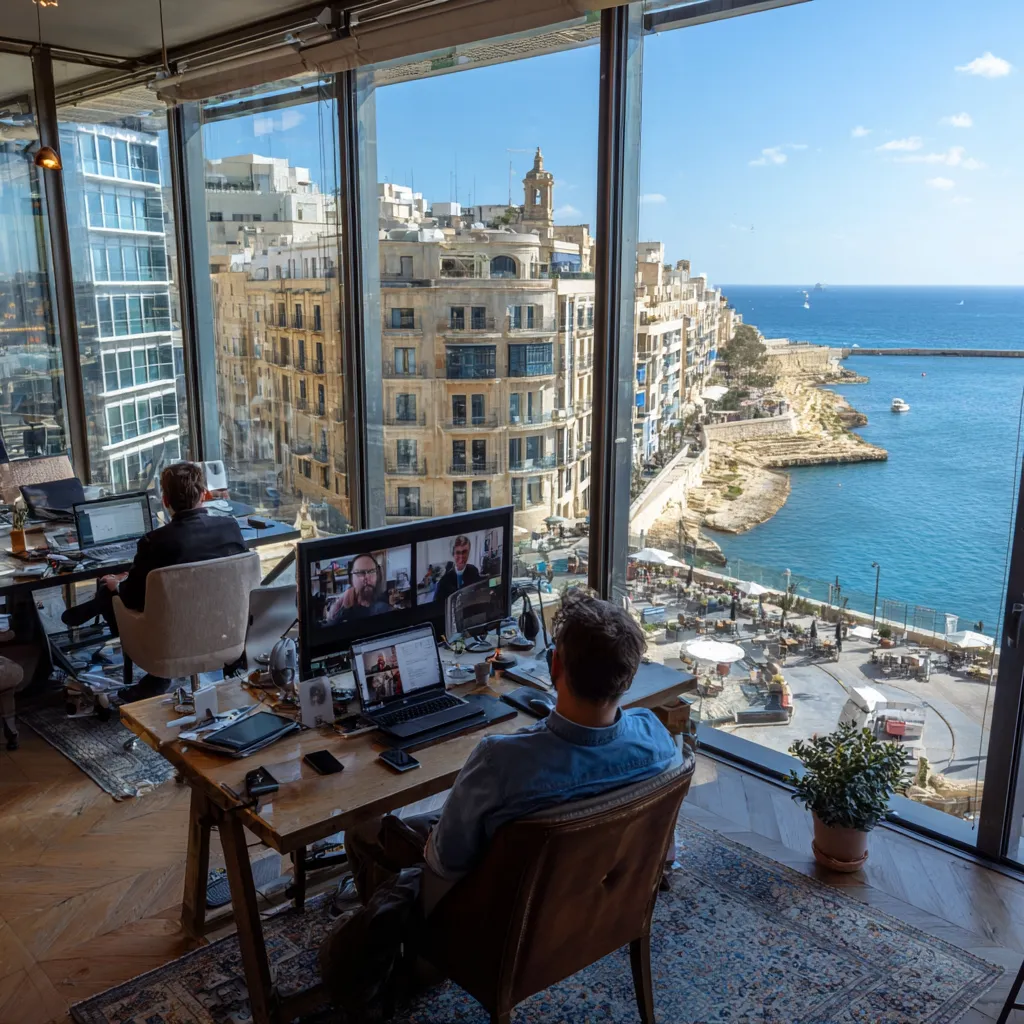
Tailor your CV and cover letter to show both autonomy and collaboration — list remote tools (Teams, Slack, Zoom), examples of delivering projects remotely, and language skills (English and Maltese where relevant). Employers in Malta value clear evidence of working across time zones for international teams.
During interviews, ask practical questions: how the team manages onboarding remotely; whether there are quarterly in-person team-building days in Valletta or Sliema; and how performance is measured for hybrid staff. Demonstrating that you’ve thought about logistics reassures hiring managers.
If you’re local, mention proximity to hubs (e.g. ‘based in St Julian’s — flexible to come to office twice weekly’) as this can be a differentiator for roles that occasionally require presence.

EU candidates have different mobility and permit conditions than non-EU nationals; check official Maltese government resources and employer support for work permits before accepting offers. Employers often help with paperwork for critical hires, but never assume the company will cover all relocation costs.
If you’re relocating to Malta for a hybrid role, use a 30–90 day plan: 0–30 days — paperwork, local registrations, and setting up a home office; 30–60 days — build in-person connections (meet your manager, visit client sites in Valletta or Sliema); 60–90 days — establish routines and review probation objectives.
For fully remote roles based abroad but hiring Maltese employees, clarify tax, social security and employer contributions up front. Mistakes here can be costly — ask for a written summary of benefits and payroll setup as part of the offer.
Explore more career advice and industry insights.
A practical Malta-focused guide to what leading local employers are offering on remote, hybrid and office working — and how to eva…
A practical Malta-focused guide to what leading local employers are offering on remote, hybrid and office working — and how to eva…

A practical Malta-focused guide to what leading local employers are offering on remote, hybrid and office working — and how to eva…
Find your next opportunity.