

The Rise of AI in Malta’s Workforce: Opportunities and Risks
How AI is reshaping Malta's workplaces — practical opportunities, sector-specific hiring trends and clear advice for jobseekers an…
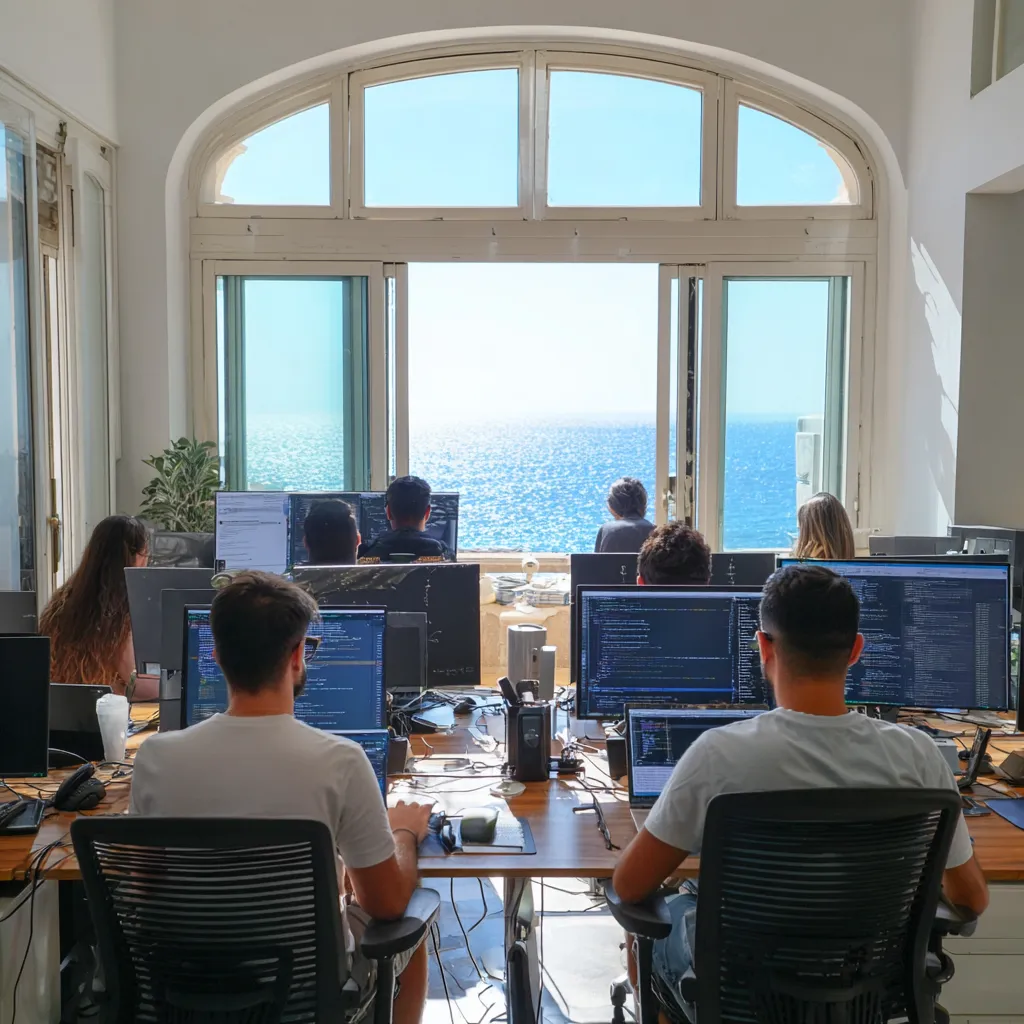
How AI is reshaping Malta's workplaces — practical opportunities, sector-specific hiring trends and clear advice for jobseekers and employers on the islands.
In Malta the AI story is not 'jobs versus machines' but 'roles evolving' — people who combine local sector knowledge with digital skills will be in demand.
Show tangible outcomes from projects on your CV — in a small market that evidence often matters more than just a list of tools.
Artificial intelligence is moving from pilot projects to everyday tools across Malta — from iGaming firms automating fraud detection to finance and shared-service centres using AI for reporting and process automation. For a small island economy the impact is amplified: a single technology shift can change hiring patterns across Valletta, Sliema, St Julian’s and beyond.
That doesn’t mean blanket job loss — it means job change. Roles that combine domain knowledge with digital skills are rising in value, while routine tasks are increasingly automated. Employers are also experimenting with hybrid and remote setups, so Malta-based teams may work with cloud-based AI systems or manage distributed data teams.
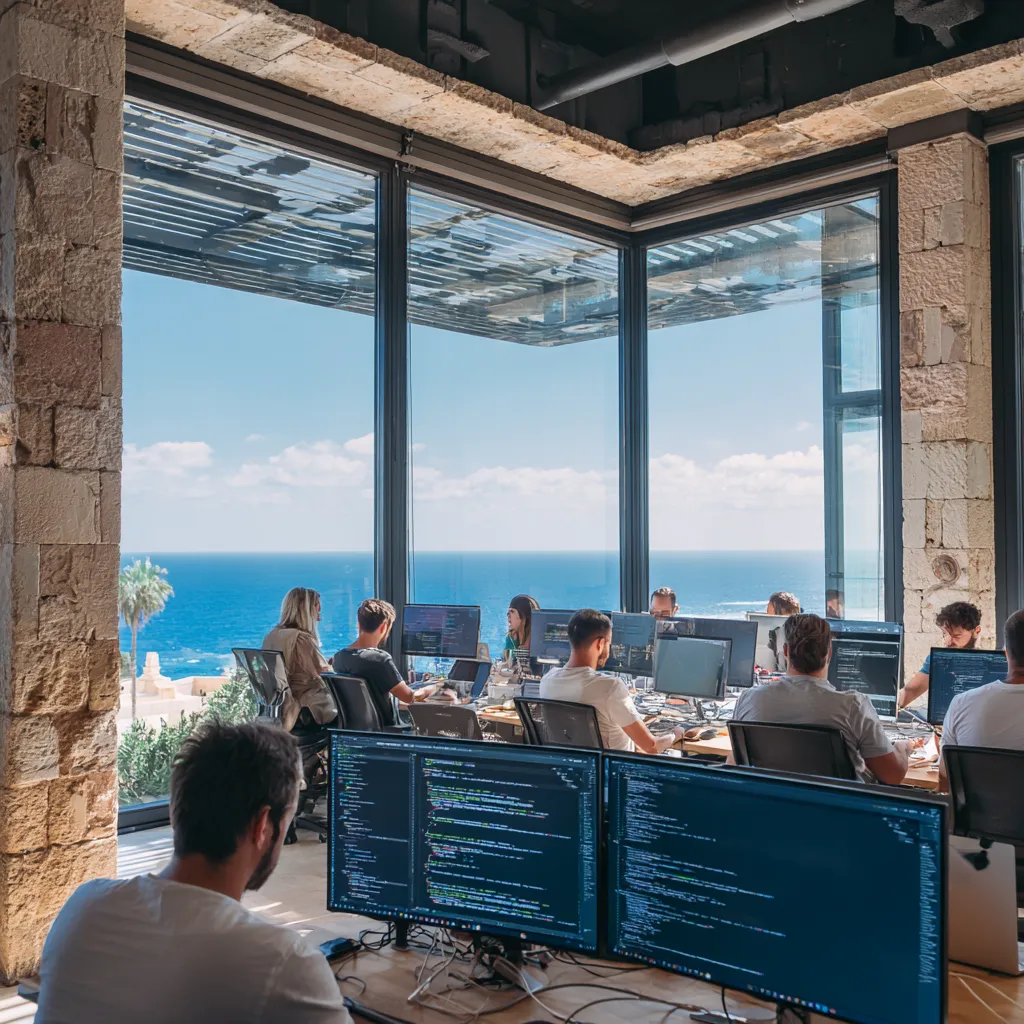
Different districts specialise in different opportunities. St Julian’s and Paceville remain hot for hospitality and iGaming tech roles, Sliema and Birkirkara host many finance and corporate service offices, while Msida and the University of Malta are hubs for research, graduates and tech startups. Gozo offers more remote and tourism-linked roles.
If you’re targeting AI-related positions, look beyond pure 'data scientist' titles — many companies advertise roles under operations, compliance, product, QA and automation where AI skills are increasingly required.

Employers in Malta often prioritise practical experience and problem-solving over long lists of theoretical qualifications. Demonstrable experience — projects, internships, or contributions to automation efforts — carries weight, especially for smaller teams that need people who can move from analysis to implementation quickly.
Key non-technical attributes are also important in Malta’s workplaces: communication in English (and Maltese where relevant), cross-team collaboration, and an understanding of local regulatory priorities like data protection and financial compliance.
Update your CV and LinkedIn to highlight AI-adjacent projects and the measurable impact you achieved — not just responsibilities. For example, note time saved, error reduction or revenue impact from an automation you implemented. Small Maltese employers want to see how your work produced outcomes.
Network locally: attend tech meetups, co-working events in Sliema and Msida, and sector conferences in St Julian’s. If you’re a recent graduate, consider internships or short contracts to build Maltese references; for experienced hires, a targeted cover letter explaining why you’re interested in the sector and Malta helps.
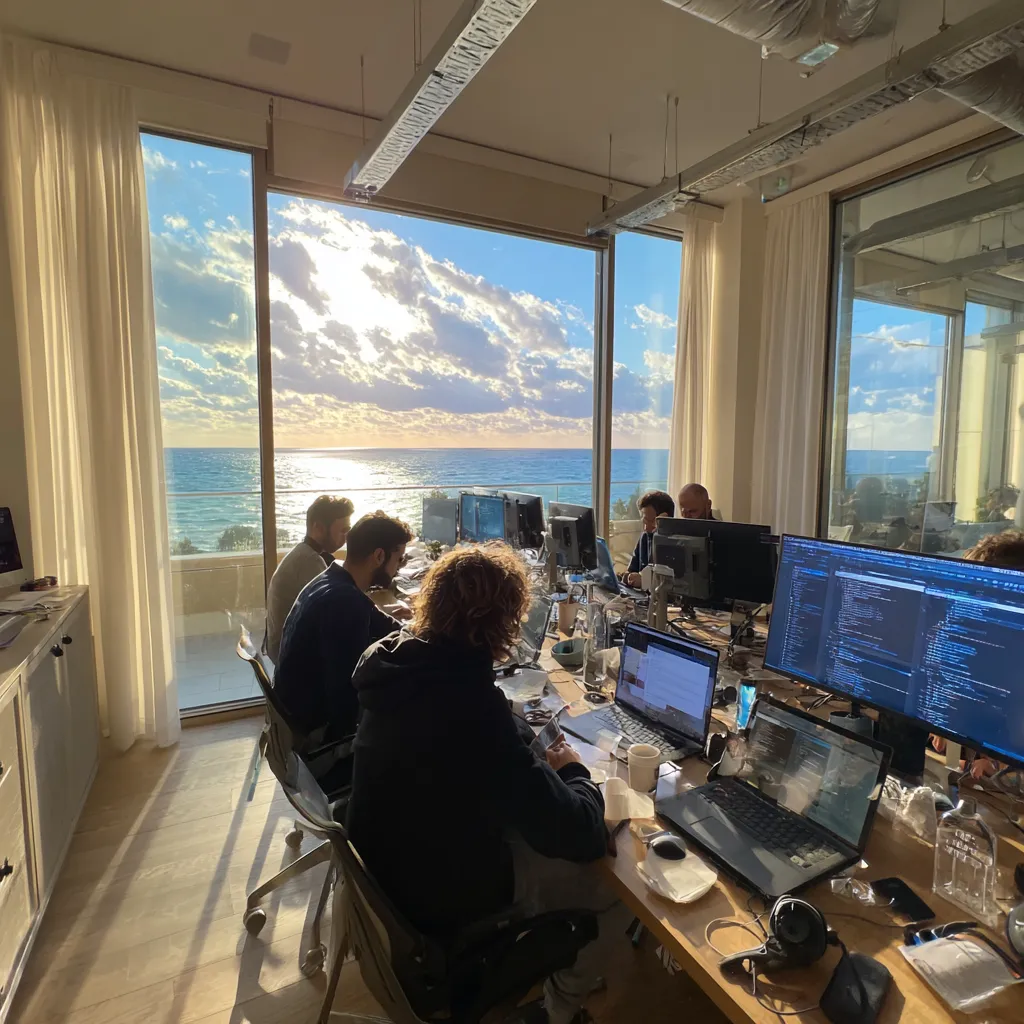
Malta’s labour market attracts both EU and non-EU candidates. EU citizens generally have simpler access to work; non-EU nationals usually require an employer-sponsored work permit or other immigration routes. Employers often support the permit process, but specifics depend on your nationality and the role.
Always check official sources for up-to-date guidance before making relocation plans. Many employers in Malta will discuss relocation packages, probation periods and salary expectations during the offer stage — and bear in mind differences in cost of living across Valletta, the north shore and Gozo.

AI brings benefits but also risks: automation of repetitive tasks, bias in models, and new compliance demands under EU rules. Malta employers must balance efficiency gains with fairness, transparency and data protection. Jobseekers should be prepared to upskill regularly and to demonstrate ethical awareness in interviews.
For employees, the best defence is to stay adaptable: learn adjacent skills (data storytelling, process improvement), understand how AI tools are applied in your sector, and be ready to move into oversight, governance or specialist roles that AI cannot fully replace.
Explore more career advice and industry insights.
How AI is reshaping Malta's workplaces — practical opportunities, sector-specific hiring trends and clear advice for jobseekers an…

How AI is reshaping Malta's workplaces — practical opportunities, sector-specific hiring trends and clear advice for jobseekers an…
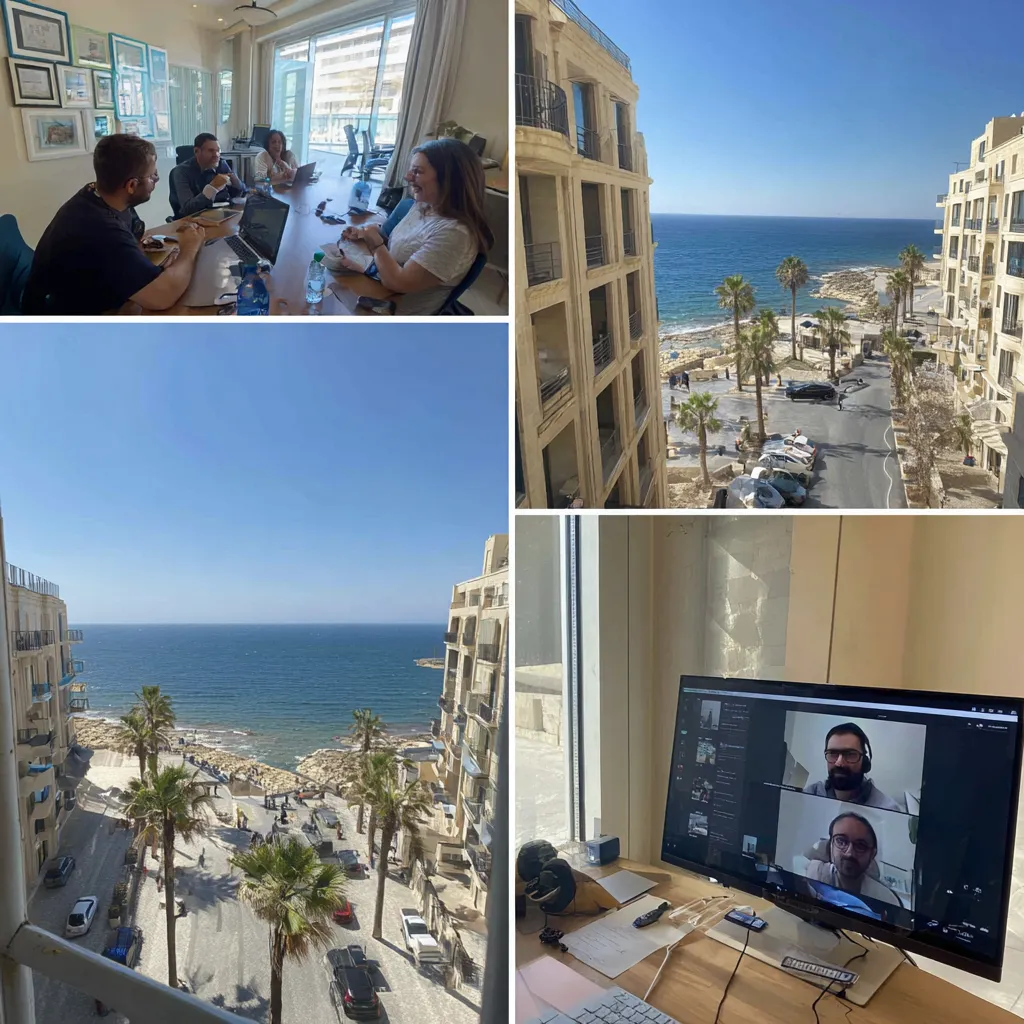
How AI is reshaping Malta's workplaces — practical opportunities, sector-specific hiring trends and clear advice for jobseekers an…
Find your next opportunity.