
The Importance of Soft Skills in Data Science Roles
A practical Malta-focused guide on why soft skills matter for data scientists, how local employers assess them and how to build an…
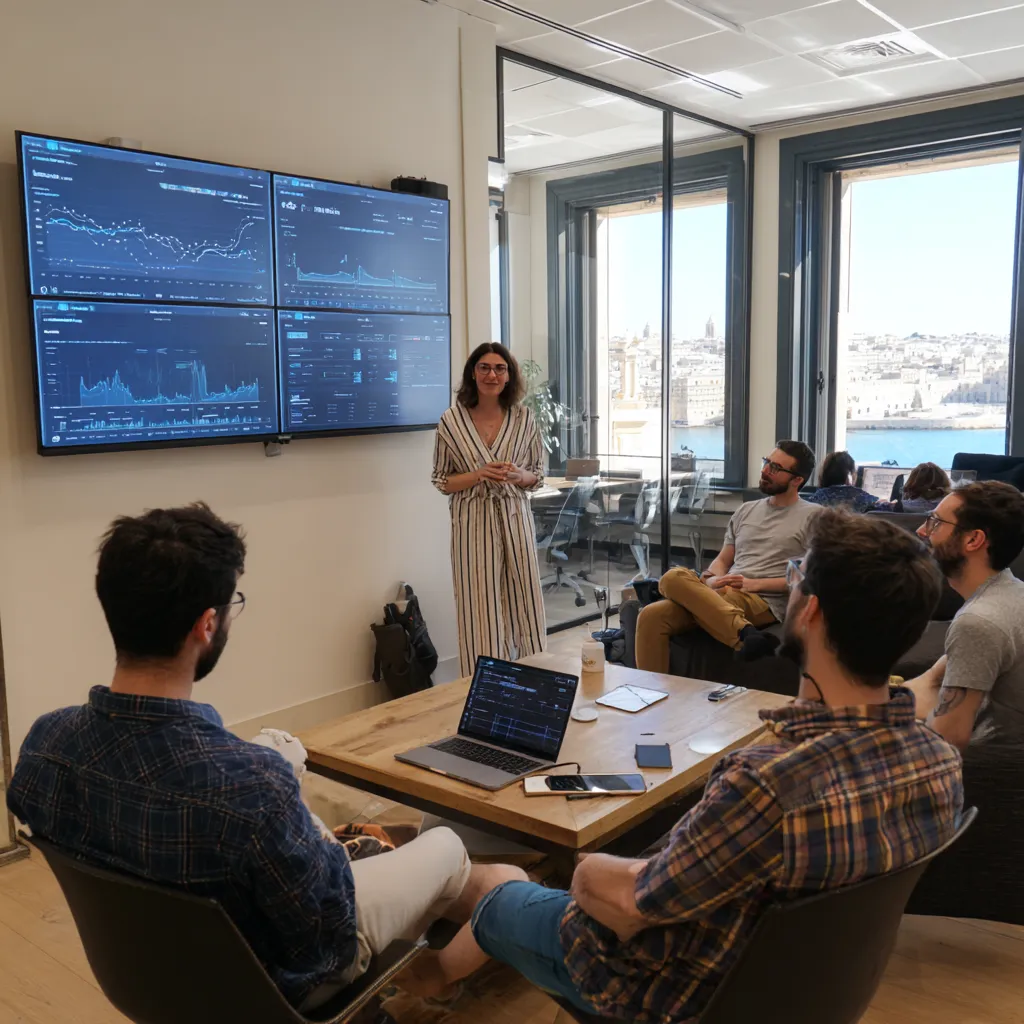
A practical Malta-focused guide on why soft skills matter for data scientists, how local employers assess them and how to build and show them in applications and interviews.
In Malta's close-knit teams, the ability to translate data into a business story often wins the role.
Technical models are valuable, but influence and communication decide whether insights become action.
Technical skills like Python, SQL and machine learning are table stakes for data science roles, but soft skills are what make an expert useful to Maltese employers across iGaming, finance, shared service centres and startups.
On a small island market where teams are often cross-functional and communication needs to be clear across English- and Maltese-speaking colleagues, the ability to explain models, influence stakeholders and adapt to rapid business change is as important as model accuracy.
Employers in Valletta, Sliema, St Julian’s and Msida tell recruiters they hire people who can translate data into decisions — not just write code — because many projects require collaboration with non-technical product, marketing or operations teams.

Recruiters in Malta consistently flag a handful of interpersonal skills that lift candidates above the rest. These include communication (storytelling with data), problem-solving, stakeholder management, curiosity and adaptability.
Because organisations here range from global iGaming firms with strict SLAs to small startups in Mosta or Gozo, the balance between technical autonomy and teamwork varies — but the underlying soft skills remain constant.
Below are concrete examples of how each skill shows up in a data science role.
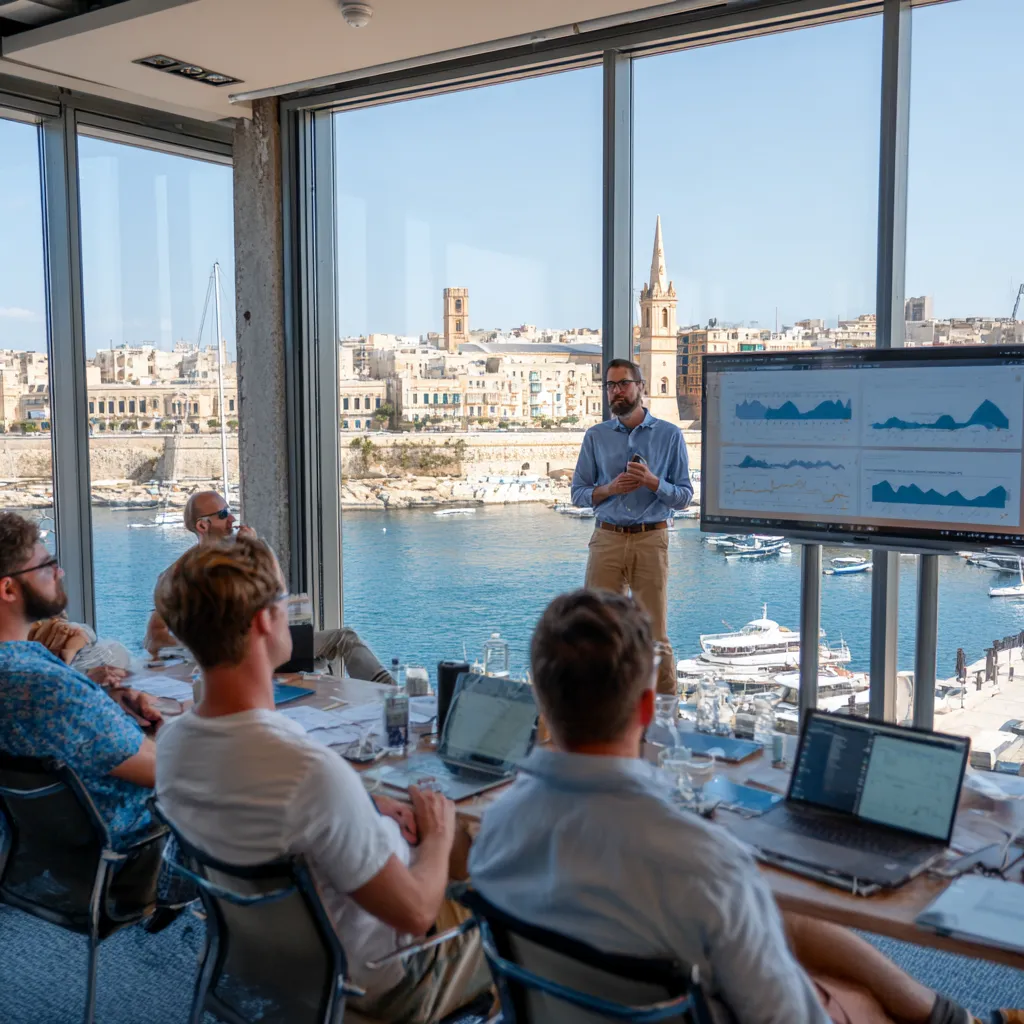
Maltese hiring managers prefer short, evidence-based claims over vague statements. Replace 'good communicator' with a brief example: 'Presented monthly user-churn analysis to product leads; recommendations led to a 7% uplift in retention.'
Where possible, quantify the impact of your work and describe the stakeholders you worked with (e.g. product, compliance, commercial). On LinkedIn, use the summary to tell a short narrative about a problem you solved and the role your collaboration played.
For EU and non-EU candidates, including language skills and availability for hybrid or remote work is useful — many employers balance local office presence with remote flexibility.
Interviews for data science roles in Malta often combine a technical exercise with a behavioural interview. Expect case-style questions where you must explain the business framing of your analysis as much as the model choice.
Practice explaining complex concepts in plain English — for example, describe what precision and recall mean to a product manager, and why you chose one metric over another for a given problem.
During trial or probation periods, show curiosity by asking for feedback, documenting your assumptions and suggesting next steps that reflect business impact.

Improving soft skills is practical and measurable. Start with a 30–90 day plan: weeks 1–4 focus on communication (present 1 internal analysis), weeks 5–8 on stakeholder engagement (lead a short cross-team workshop), weeks 9–12 on coaching/mentoring or running a retrospective.
Tap Malta's local ecosystem: attend tech meetups in St Julian's or Valletta, join University of Malta events or data science brunches in Msida, and seek mentorship through industry groups. Employers, especially in iGaming and finance, value candidates who show local networks and community engagement.
If relocating, research work permit basics and talk to prospective employers early — many shared-service centres and larger firms assist with relocation and onboarding for EU and non-EU hires.
Explore more career advice and industry insights.
A practical Malta-focused guide on why soft skills matter for data scientists, how local employers assess them and how to build an…

A practical Malta-focused guide on why soft skills matter for data scientists, how local employers assess them and how to build an…

A practical Malta-focused guide on why soft skills matter for data scientists, how local employers assess them and how to build an…
Find your next opportunity.