

The Most In-Demand Programming Languages in Malta Right Now
A Singapore developer's practical guide to the programming languages most in demand in Malta today — for hiring, relocation and re…
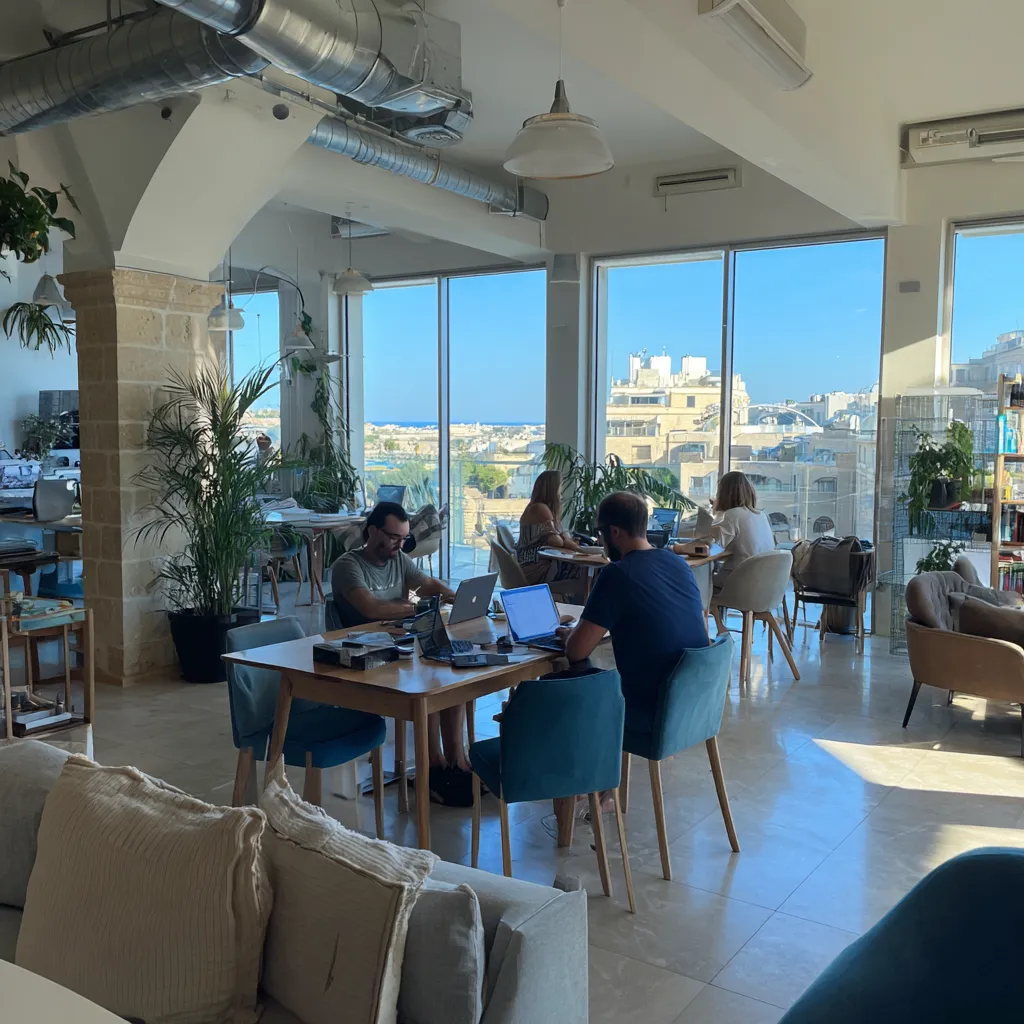
A Singapore developer's practical guide to the programming languages most in demand in Malta today — for hiring, relocation and remote work planning.
For Singapore devs, Malta offers EU access and an English-speaking tech scene — a neat bridge between APAC and Europe.
Master TypeScript + cloud basics and you'll be competitive for many Maltese roles — especially in web and SaaS.
Malta might feel like a world away from Orchard Road or Tiong Bahru, but its compact tech scene punches above its weight — especially for fintech, iGaming and cloud services. For Singapore developers considering relocation, short-term contracts or remote work, Malta offers EU access, English as a working language and a fast-growing marketplace for software talent.
For HR teams and startups in the CBD lunch crowd looking to diversify talent or evaluate offshore options, understanding which languages Maltese employers are hiring for helps when drafting job specs, benchmarking salaries or planning secondments.
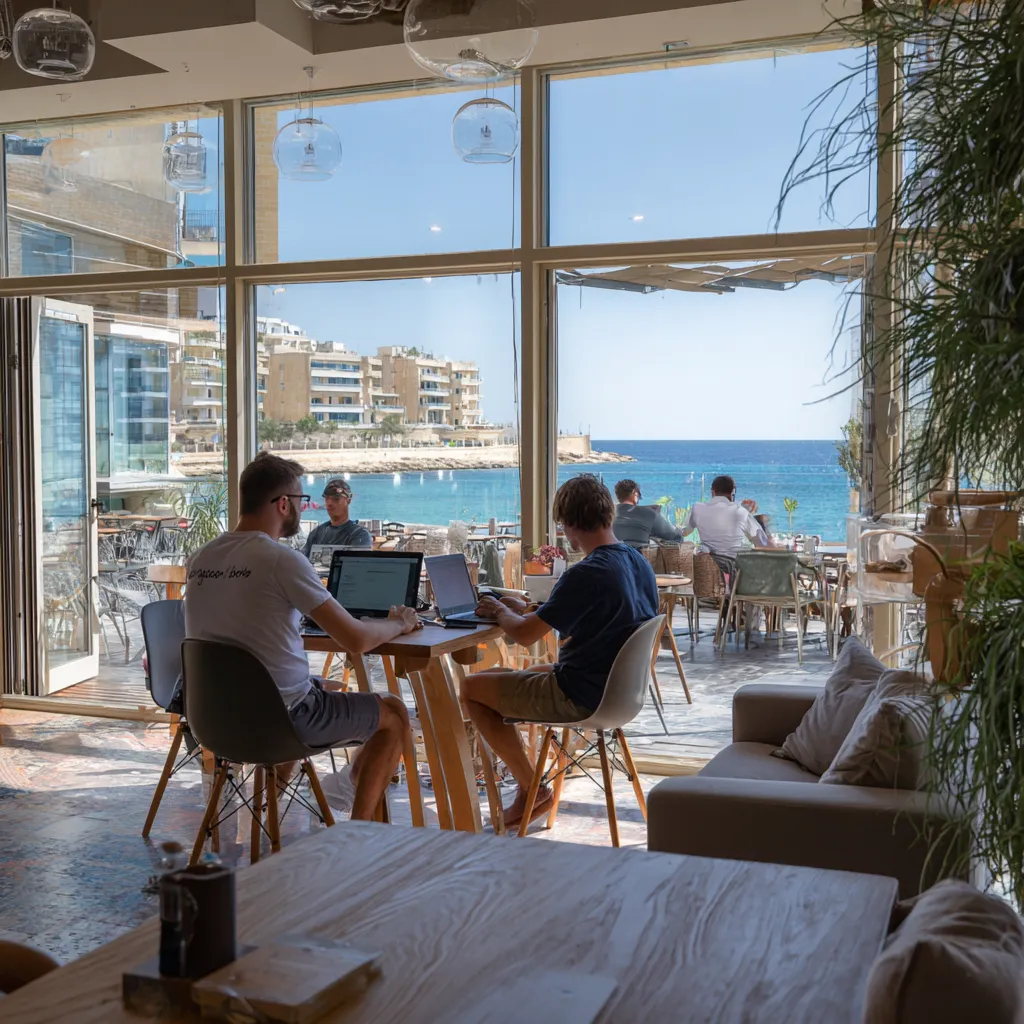
Across job boards and company tech stacks in Malta, several languages consistently appear on listings. JavaScript (and thus frameworks like React and Node.js) remains the backbone of web development roles — front-end, full-stack and serverless architectures.
Python is popular across data science, machine learning and backend services; Java and C# still show up for enterprise systems, banking and legacy platform maintenance. PHP retains a presence in web companies and iGaming, while Go and Rust are gaining traction for performance-critical backend and cloud-native projects.

If you're applying from Singapore or hiring remotely, know how languages tie to roles: React + Node.js for product teams, Python for data and automation, and Java/C# for enterprise integration. iGaming companies often list PHP, C# or Java for platform work alongside JavaScript for the user-facing layers.
Startups and SaaS firms in Malta lean toward modern toolchains — TypeScript, containerised Go services, and cloud-native deployments — while larger finance-facing employers may prioritise proven enterprise languages and strong system design experience.

Don't treat Malta like a blank slate — recruiters here look for specific domain experience (payments, gaming compliance, cloud ops) as much as language proficiency. In resumes and interviews, highlight projects showing architecture, testing and deployment knowledge rather than only listing languages.
For freelancers and remote workers based in Singapore considering Maltese clients: set clear billing terms (EUR vs SGD), confirm timezone overlap for coordination, and be prepared for a smaller but very international market where English is the primary language of business.
Think of a Malta tech trip like planning a local makan trail in Singapore: mix practical meetings with local immersion. If you're interviewing in person, schedule company visits around a walk-through of Valletta or Sliema to get cultural context. For hiring managers, plan a short test task that reflects real work rather than generic algorithm quizzes.
Finally, remember the soft signals: language fluency for client roles, familiarity with EU regulations for fintech, and evidence of working in small, multidisciplinary teams — these often tip the balance in Malta's close-knit hiring market.
Explore more career advice and industry insights.
A Singapore developer's practical guide to the programming languages most in demand in Malta today — for hiring, relocation and re…

A Singapore developer's practical guide to the programming languages most in demand in Malta today — for hiring, relocation and re…

A Singapore developer's practical guide to the programming languages most in demand in Malta today — for hiring, relocation and re…
Find your next opportunity.