

How to Transition from Traditional Marketing to iGaming
A practical Malta-focused guide for marketers who want to move from traditional marketing into iGaming, with local tips on skills,…

A practical Malta-focused guide for marketers who want to move from traditional marketing into iGaming, with local tips on skills, CVs, employers and a 30–90 day transition plan.
iGaming rewards measurable thinking — bring your storytelling, but back it with numbers.
A short, data-driven portfolio beats three pages of unquantified responsibilities.
Malta is one of Europe’s largest iGaming hubs, with many operators, suppliers and shared-service centres clustered around St Julian’s, Sliema and Msida. For marketers used to print, events or broadcast, the sector offers faster campaign cycles, richer data and more varied digital channels.
Local demand means employers often look for people who understand customer acquisition, retention and product marketing—but the workplace culture in iGaming can be faster-paced than some traditional marketing teams. Expect agile sprints, KPI-driven briefs and close collaboration with compliance teams.
If you live on the island or plan to relocate from abroad, moving into iGaming can also improve salary potential compared with equivalent roles in smaller local industries, but competition is strong and employers value demonstrable digital skills.

Hiring managers in Malta want a mix of digital marketing experience and an appetite to learn sector-specific constraints (affiliates, promotions, AML/KYC awareness). Emphasise measurable results: CAC, LTV, conversion rates and ROI are taken seriously.
Soft skills matter too: cross-team collaboration with product managers, data analysts and compliance officers is common. Multilingual abilities (English is standard; Maltese is a plus) and working knowledge of EU markets will help when applying to companies with regional responsibilities.
Many firms prefer candidates with hands-on experience in analytics platforms, ad platforms and CRM tools rather than vague managerial experience. If you can show campaign dashboards and A/B test results from previous roles, you’ll stand out.

Traditional marketers bring many valuable skills — brand storytelling, campaign planning, creative production and stakeholder management — that transfer well to iGaming. Your task is to translate these into digital outcomes (e.g. how a brochure campaign improved leads → how a digital experiment improved sign-ups).
Practical upskilling options on the island include short online courses (e.g. Google’s certificates, Meta Blueprint), local meetups, and hands-on projects like running small paid-social tests or building an email welcome flow. Many Malta-based employers will accept freelance or pro-bono projects as proof of digital chops.
Create a small portfolio: export campaign reports, screenshots of dashboards, or a case study where you set KPIs and measured outcomes. Even a month-long test with a modest ad spend shows initiative and helps recruiters assess your approach.

Adapt your CV: lead with digital achievements and metrics, and add a short section titled “Relevant iGaming knowledge” where you list regulation awareness, platforms used and any sector-specific training. Use English, keep format clean and aim for two pages maximum.
Target local job boards and recruiters. Jobsplus is the public employment service in Malta; there are also many specialised iGaming recruiters and LinkedIn remains a top channel. Attend local networking events in St Julian’s and Valletta or virtual meetups focused on gaming and digital marketing.
In interviews, be ready to discuss how you handle rapid changes, tight regulatory reviews and cross-functional feedback. Bring a short case study (one A4 slide) showing a campaign’s objective, approach, results and learnings — that practical artefact often impresses Maltese hiring teams.
High-level immigration note: EU/EEA citizens can work in Malta without a work permit; non-EU candidates will need the appropriate permit and should check official sources like Identity Malta and Jobsplus for current procedures. Don’t rely on hearsay—ask a prospective employer’s HR team for help early.
A practical 30–90 day plan helps you show progress and confidence to recruiters: start with a skills audit and short courses (30 days), build a portfolio and reach out to recruiters and local meetups (60 days), then apply to tailored roles and prepare interview case studies (90 days).
Common mistakes to avoid in Malta: leaving language skills off your CV, underestimating local cost of living when negotiating salary, and not asking about probation terms or hybrid/remote policies. Local employers commonly offer hybrid working, but patterns vary between offices in Valletta, Sliema and St Julian’s.
Explore more career advice and industry insights.
A practical Malta-focused guide for marketers who want to move from traditional marketing into iGaming, with local tips on skills,…
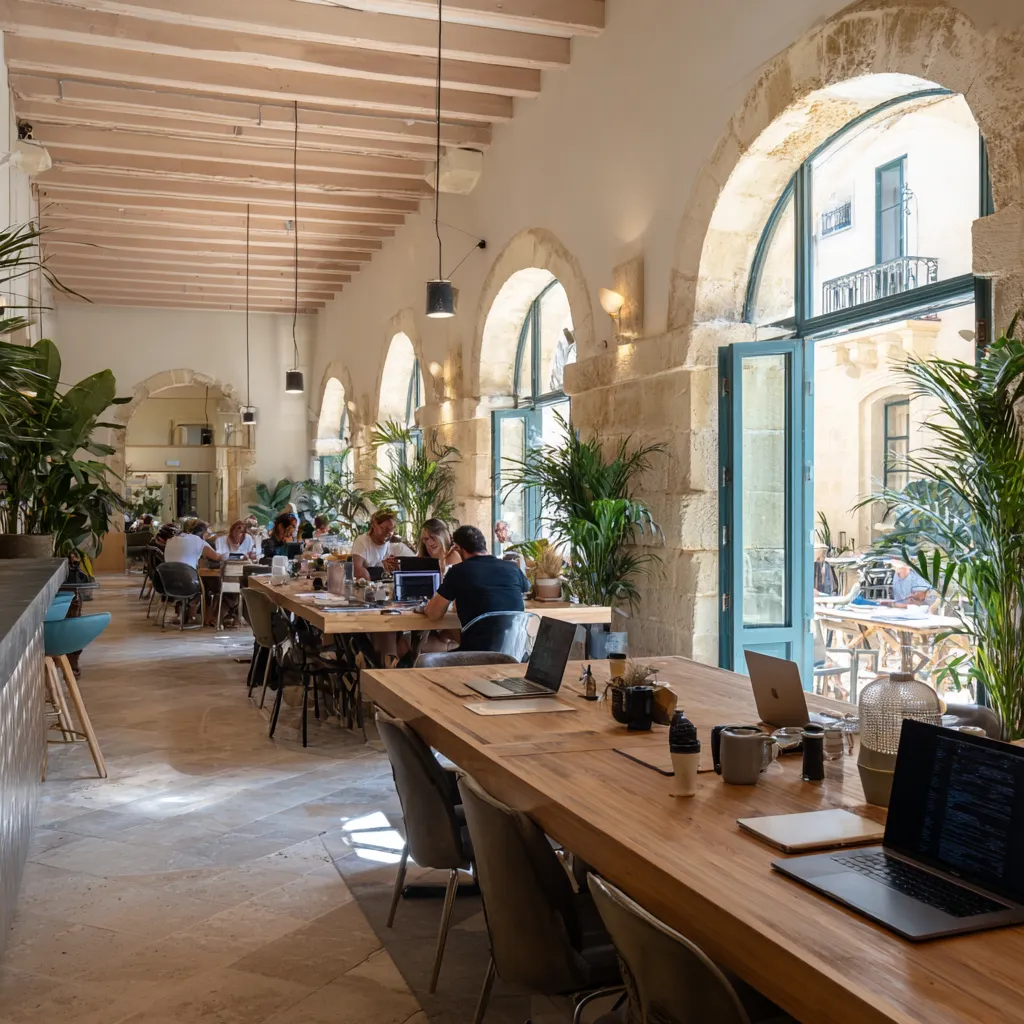
A practical Malta-focused guide for marketers who want to move from traditional marketing into iGaming, with local tips on skills,…

A practical Malta-focused guide for marketers who want to move from traditional marketing into iGaming, with local tips on skills,…
Find your next opportunity.