
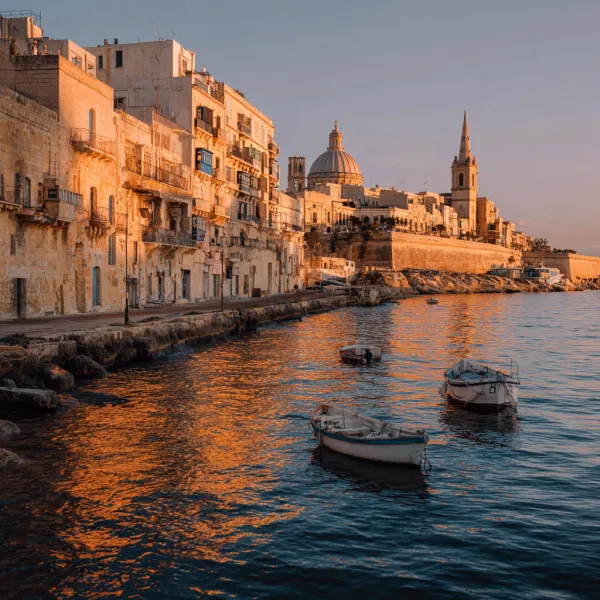
Work Culture in Malta: Startups vs Corporate iGaming Giants
A practical guide for Singaporeans weighing startup life against corporate iGaming giants in Malta — from work styles and visas to…
A practical guide for Singaporeans weighing startup life against corporate iGaming giants in Malta — from work styles and visas to where to makan and network between meetings.
In Malta you trade scale for ownership — startups give you broad roles, corporates give you structure.
For Singaporeans, English-language contracts make the move easier, but read the small print on benefits and taxation.
Though small in size, Malta punches above its weight as a European hub for iGaming and related tech startups. Valletta, St. Julian's and Sliema host a cluster of companies ranging from nimble early-stage teams to multinational operators — a concentration that shapes local work culture and hiring patterns.
For Singaporeans considering a move, Malta offers a familiar mix: English as an official language, a civil-law system adapted for business, and a lively expat scene. Expect compact commutes, strong networking at after-work bars and coworking spaces, and an office rhythm that alternates between Mediterranean unhurriedness and the tight deadlines of regulated gaming.
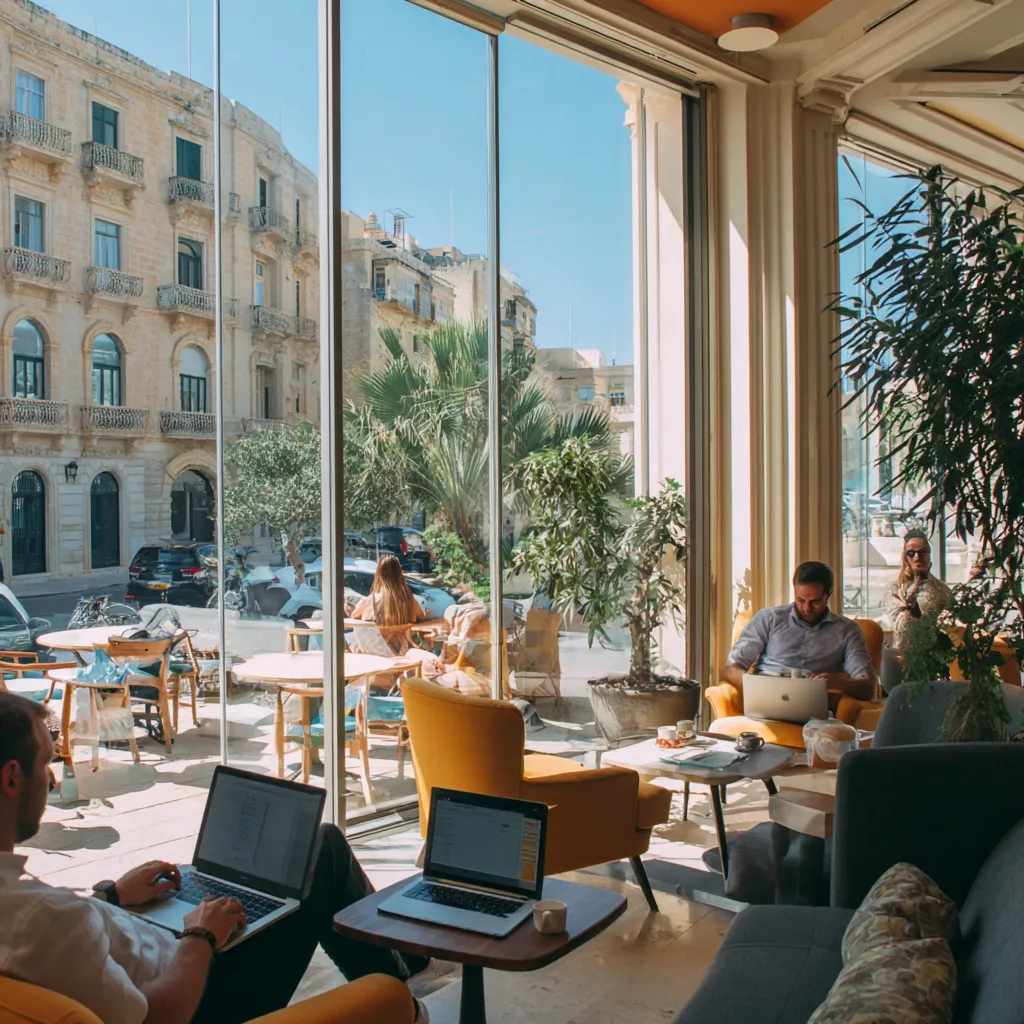
Startups tend to be lean and cross-functional. A typical day can include ad-hoc meetings, quick product sprints and a mix of remote and in-office work — similar to Singapore’s energetic startup hubs in Tanjong Pagar or the CBD, but on a smaller island scale.
For Singaporeans used to clear role divisions, the trade-off is higher ownership and faster learning. You might be closing a sprint in the morning, meeting a regulator in the afternoon and grabbing local pastizzi with teammates after work.
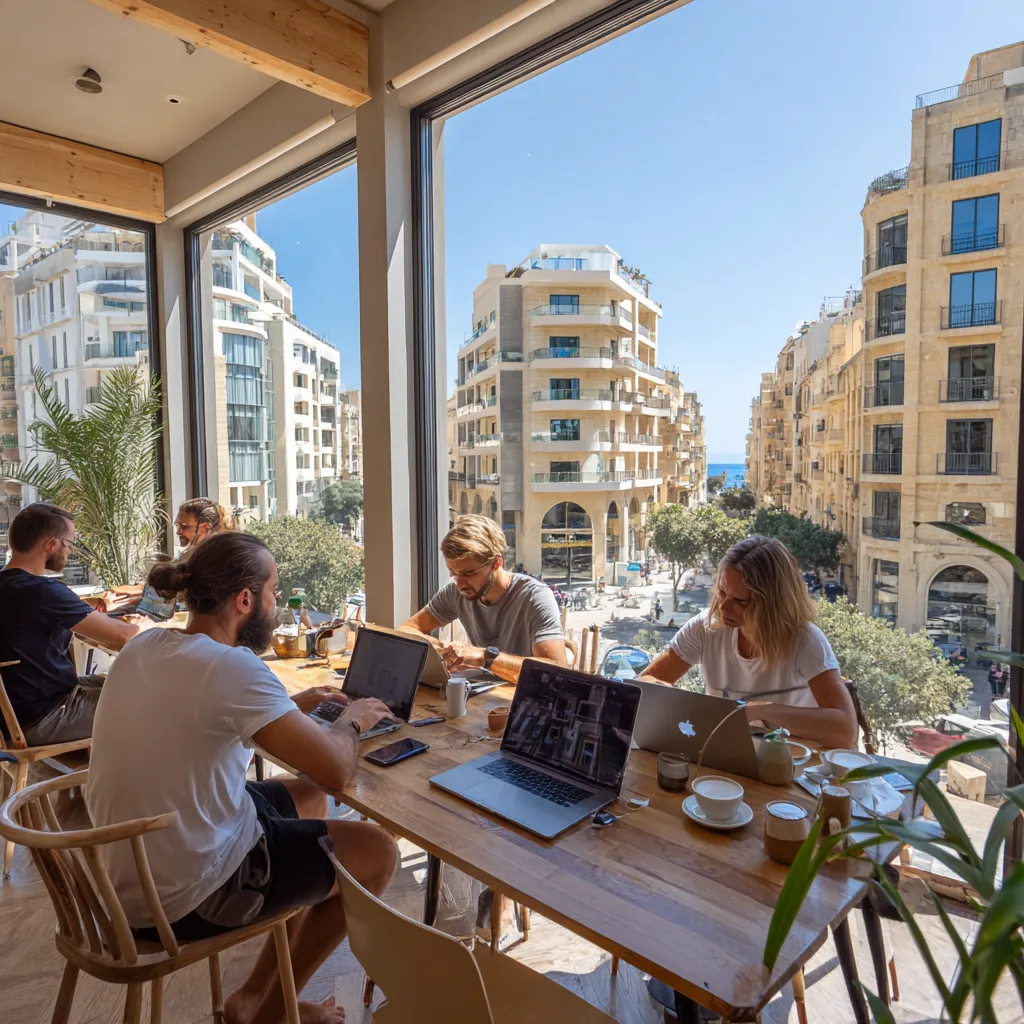
Large iGaming firms operating in Malta offer formal processes, clearer career ladders and established benefits — think structured training, compliance teams and HR policies that resemble multinational offices in Singapore’s CBD. Expect more specialised roles and predictable workflows.
However, with scale comes bureaucracy: approvals, multi-step product sign-offs and heavier emphasis on compliance with Malta Gaming Authority rules. For many professionals this trade-off is worth it for compensation stability and clearer escalation paths.
Culturally and professionally there are overlaps: meritocratic attitudes, English-language workflows and a focus on efficiency. But the scale and pace differ — Singapore’s tech and finance scenes are larger, with denser networking opportunities and more aggressive hiring churn.
If you’re relocating from Singapore, plan for differences in salary bands, taxation and social benefits. Maltese packages can be competitive for tech and iGaming talent, but cost-of-living nuances (housing in Sliema/St. Julian's vs more affordable inland towns) matter more on a smaller island.
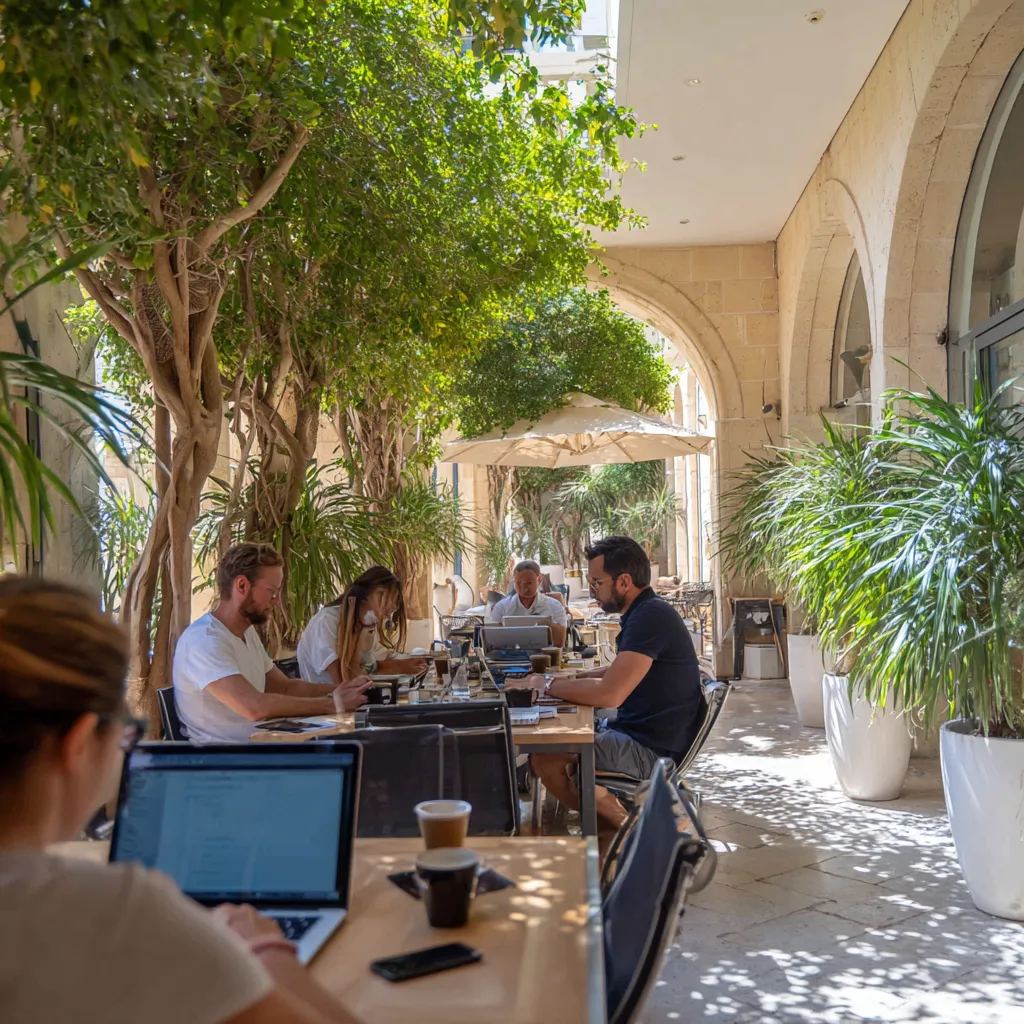
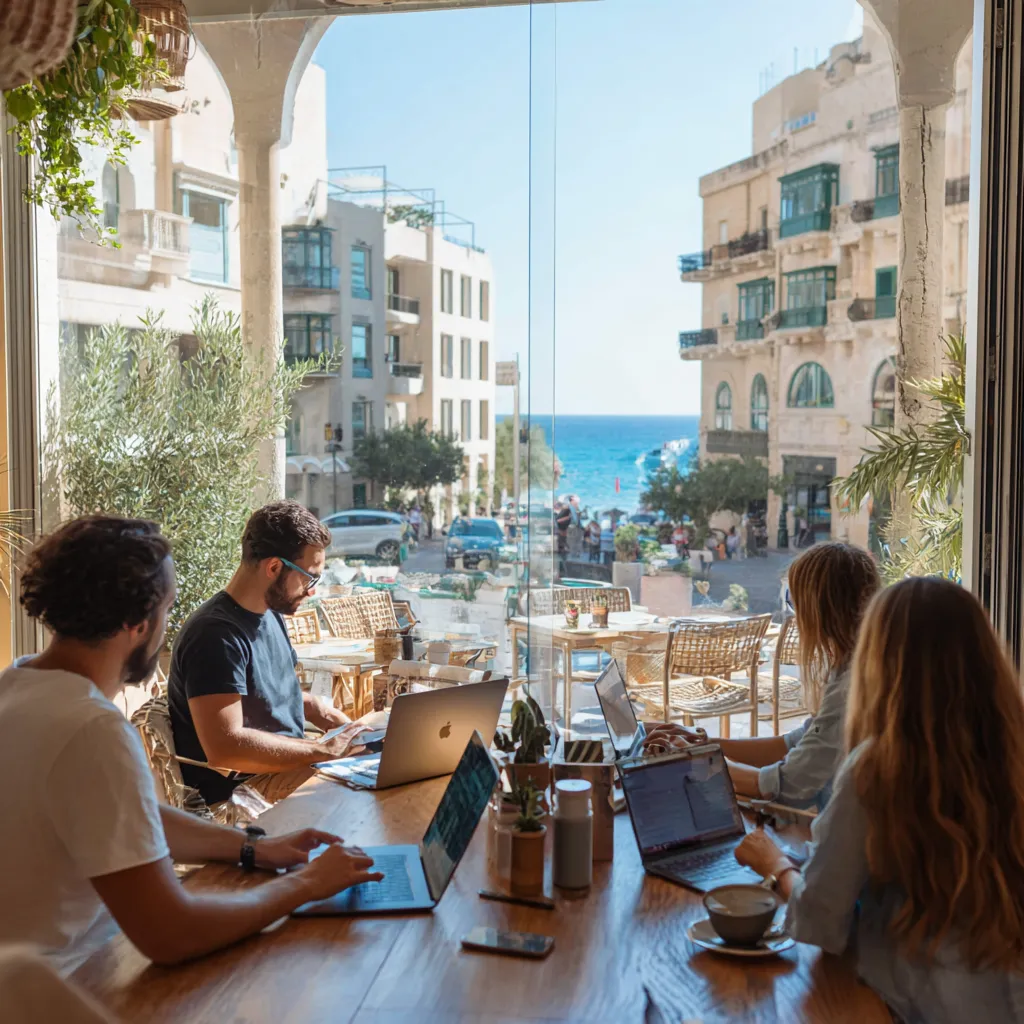
Coworking spaces and cafes in St. Julian's, Sliema and Valletta are the best places to meet other expats and flexible startup teams. Unlike Singapore’s packed kopitiams, Maltese coffee culture leans toward long café conversations and alfresco lunches by the sea — excellent for informal networking after a morning of calls.
For evenings, Paceville and the St. Julian's waterfront are lively for post-work drinks; quieter neighbourhoods like Rabat or Mdina offer historic walks and low-key weekend escapes. Practicalities: secure the correct work or nomad permit, arrange private health insurance if your employer doesn't provide it, and get a local SIM on arrival.
Explore more career advice and industry insights.
A practical guide for Singaporeans weighing startup life against corporate iGaming giants in Malta — from work styles and visas to…

A practical guide for Singaporeans weighing startup life against corporate iGaming giants in Malta — from work styles and visas to…
A practical guide for Singaporeans weighing startup life against corporate iGaming giants in Malta — from work styles and visas to…
Find your next opportunity.