

Work-Life Balance: Why Professionals Are Choosing Malta Over London
Why professionals are trading London's pace for Malta's island lifestyle — a Malta-focused look at work–life balance, sectors hiri…
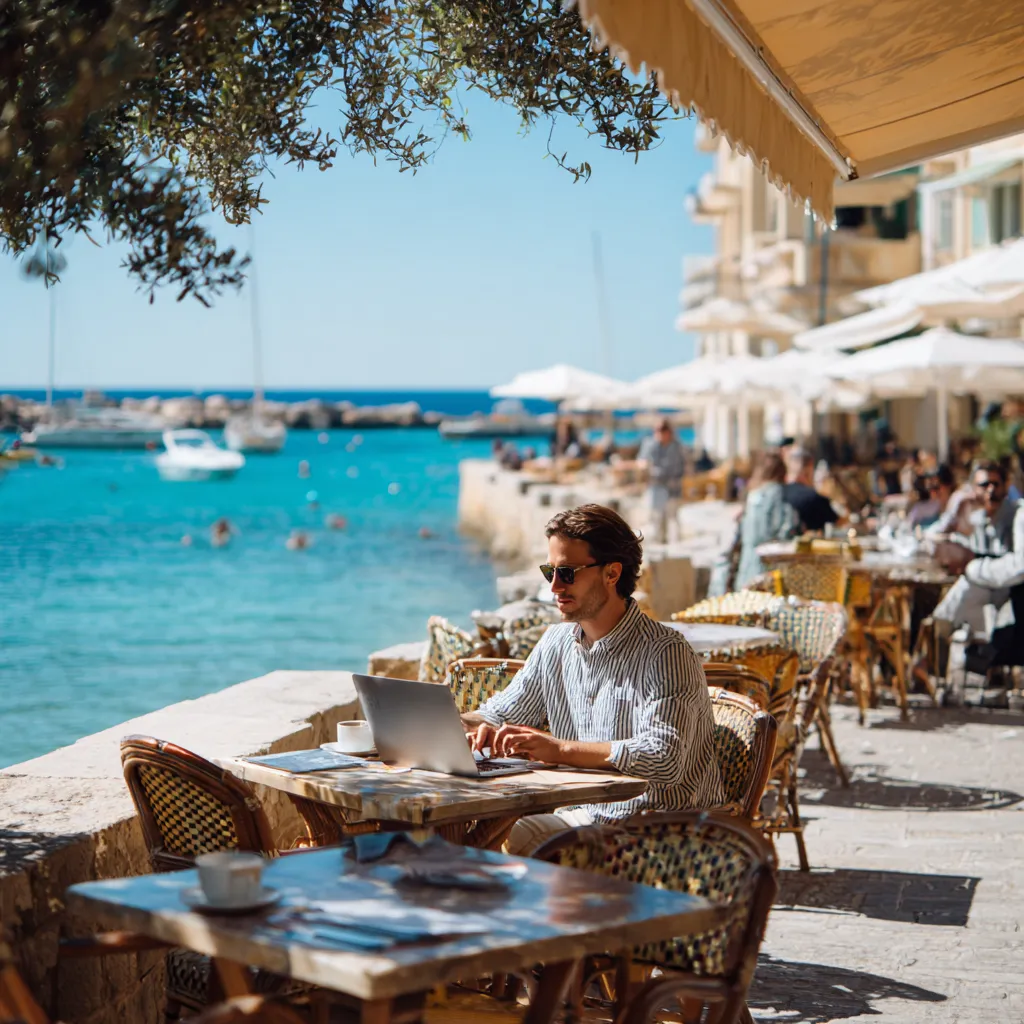
Why professionals are trading London's pace for Malta's island lifestyle — a Malta-focused look at work–life balance, sectors hiring, and practical tips for relocating and job-hunting.
On Malta you often trade a long commute for an afternoon at the sea — and that turns out to matter more than many candidates expect.
Employers here value practical flexibility: show you can deliver results and balance life outside work.
Over the last few years Malta has become a magnetic option for professionals seeking better work–life balance without giving up career momentum. The island's mix of sunny weather, shorter commutes and a strong services economy (iGaming, finance, shared services, tourism and tech startups) makes it an appealing counterpoint to London's relentless pace.
Many people moving from London report trading long tube journeys and high rents for a 20–30 minute commute, access to outdoor life and an English-speaking workplace culture. Employers in hubs such as St Julian's, Sliema and Valletta increasingly offer hybrid or flexible arrangements that echo trends seen in larger European cities.

Salaries in Malta can be competitive, especially in iGaming, fintech and corporate shared-service centres, but the overall package — including bonuses, health benefits and leave — matters when comparing to London. Cost of living is generally lower than central London (housing being the main variable), but lifestyle choices like international schooling or frequent travel can change the equation.
Career progression paths are available in Malta's growing sectors: multinational firms in Birkirkara and Msida offer structured roles, while startups in Valletta and Mosta give broader responsibility early on. Think beyond base salary—probation periods, annual leave, and hybrid policies affect day-to-day balance.
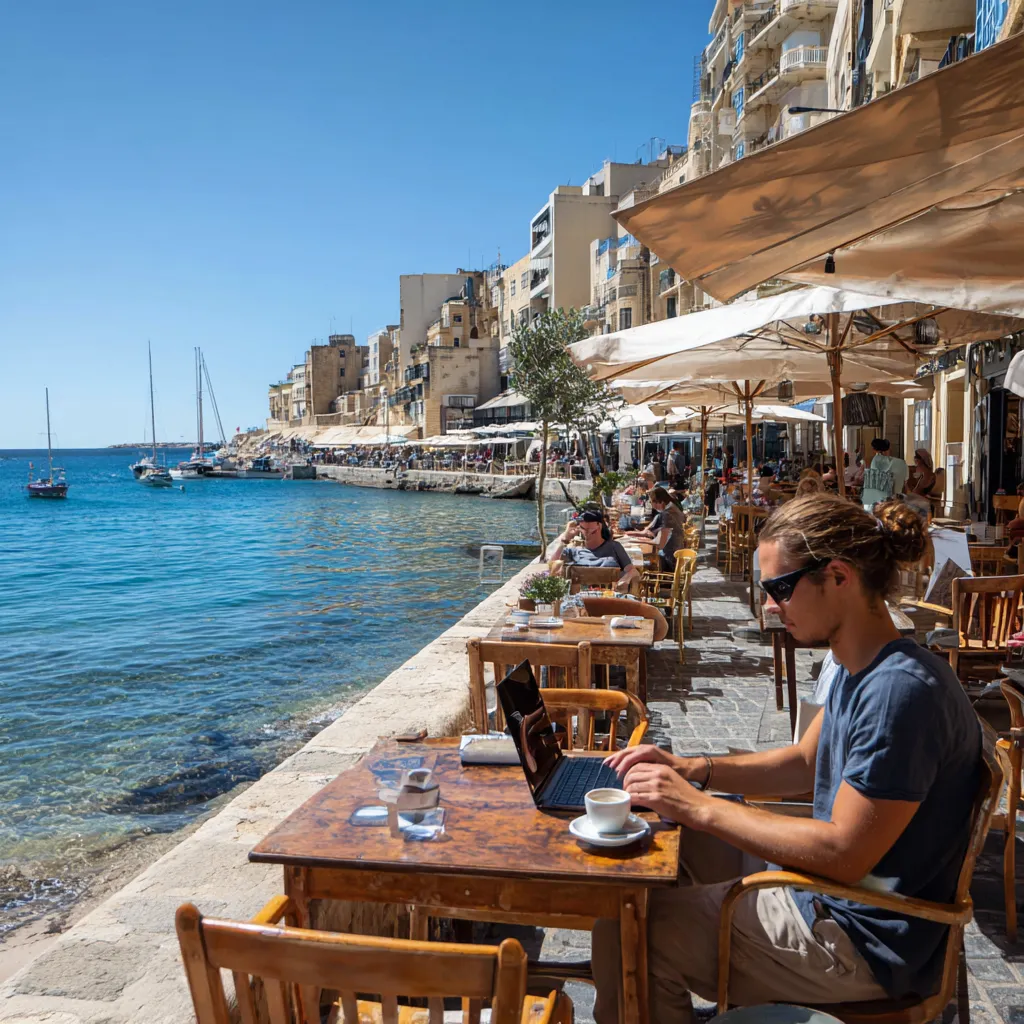
Different parts of Malta specialise in different industries. St Julian's and Sliema host many iGaming operators, hospitality chains and customer-service teams. Valletta and surrounding areas attract small professional services and startups; Birkirkara, Msida and SmartCity/TechPark areas are strong for finance, IT and shared-service centres.
Gozo offers roles in tourism, education and local government — ideal for those prioritising a quieter, community-focused life. When searching, target local recruitment firms, sector-specific job boards, LinkedIn with Malta filters, and in-person networking events hosted by Malta Chamber or industry meetups.
If you’re an EU citizen, relocating to Malta is comparatively straightforward, but you still need to budget for relocation costs, short-term accommodation and registration steps. Non‑EU candidates should check work-permit requirements early and ask prospective employers if they sponsor permits — employers in sectors like iGaming and finance often have experience hiring international talent.
For the job search, prepare a concise CV that highlights Malta-relevant experience (customer-facing English-language roles, regulatory knowledge for finance or iGaming, hospitality experience for tourism roles). Tailor your cover letter to the local company, mentioning why Malta's lifestyle or the specific hub appeals to you.
Use a 30–90 day plan: week 1–2 research companies and update your CV; weeks 3–6 apply and network; months 2–3 prepare interviews, negotiate offers and plan logistics. Always confirm immigration steps with official Maltese government resources or legal advisors rather than relying solely on informal advice.

Recruiters in Malta appreciate clear communication about availability, notice periods and willingness to work hybrid schedules. Language skills (English fluency and any Maltese if applicable) are frequently listed; soft skills such as client management, adaptability and teamwork often win over a flawless CV.
Be ready to discuss cultural fit: Maltese workplaces blend professional expectations with informal social ties. During interviews, emphasise practical examples of responsibility, how you manage time and how you maintain balance — employers know that candidates who set realistic boundaries are more likely to stay long-term.
Explore more career advice and industry insights.
Why professionals are trading London's pace for Malta's island lifestyle — a Malta-focused look at work–life balance, sectors hiri…

Why professionals are trading London's pace for Malta's island lifestyle — a Malta-focused look at work–life balance, sectors hiri…
Why professionals are trading London's pace for Malta's island lifestyle — a Malta-focused look at work–life balance, sectors hiri…
Find your next opportunity.