
Work Culture in Malta: What to Expect vs UK and Nordics
A practical, Malta-focused guide comparing everyday work culture with the UK and Nordic countries and what candidates should expec…
A practical, Malta-focused guide comparing everyday work culture with the UK and Nordic countries and what candidates should expect when job hunting or relocating to Malta.
In Malta the personal side of work matters — who you know often opens the same doors as what you know.
Expect a mix: international HR practices in finance and iGaming, and a more relationship-driven approach in smaller local firms.
Malta’s job market is shaped by its size, tourist seasonality and a mix of global and local employers. For candidates this means a compact network where reputation and relationships matter alongside formal qualifications.
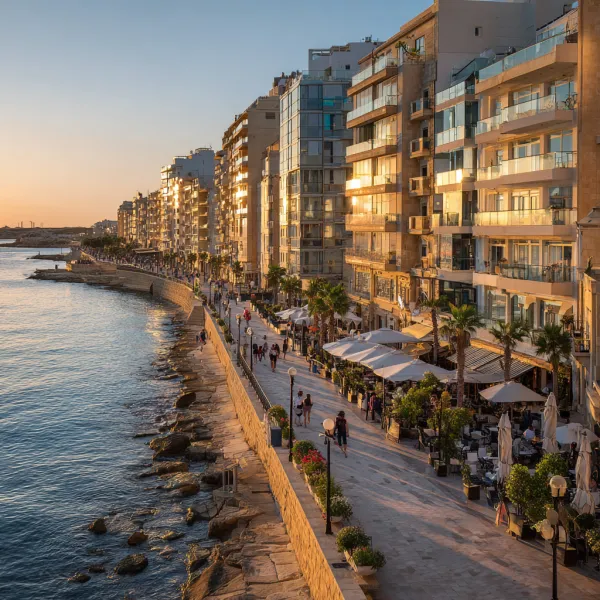
Expect workplaces to blend English and Maltese as working languages, with hubs in St Julian’s and Sliema for iGaming and services, Valletta for public sector and government, and Birkirkara, Msida and Ta' Xbiex hosting finance, shared-service centres and startups. Gozo offers a quieter pace and more tourism-led roles.
Knowing these local dynamics helps you tailor applications, set realistic salary expectations and plan for hybrid or seasonal schedules common in hospitality and some service industries.
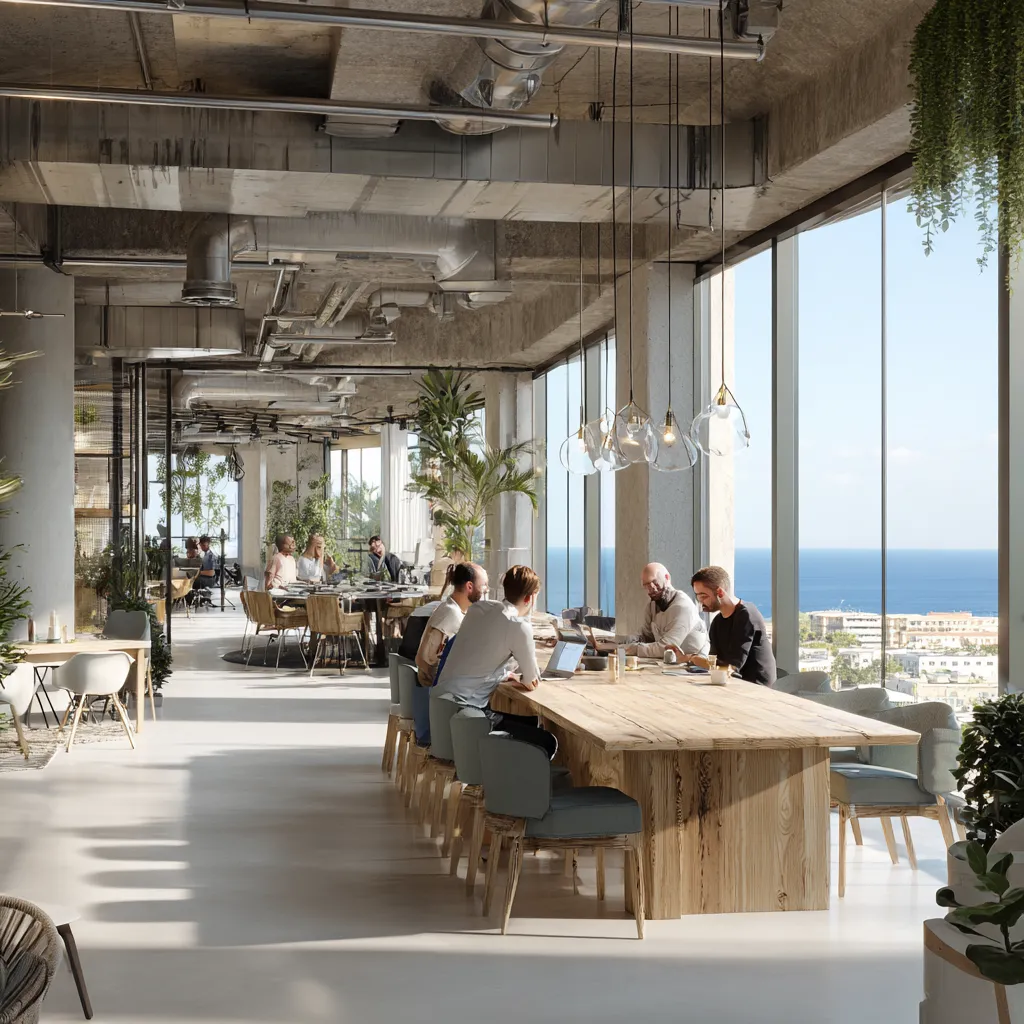
Compared with the UK, Maltese workplaces can feel more personal and relationship-led. Small companies mean decisions sometimes come from owners or senior managers rather than through long bureaucratic processes.
Formality varies: you may meet a mix of British-style corporate patterns in international firms and a more relaxed, conversational approach in local businesses. Socialising after work is common in many sectors and helps cement professional relationships.
Recruitment timelines are often quicker for SMEs but can be formal and structured in finance and international firms. If you’re moving from the UK, emphasise local language skills where relevant and be prepared to explain how your experience maps to Malta’s smaller teams.
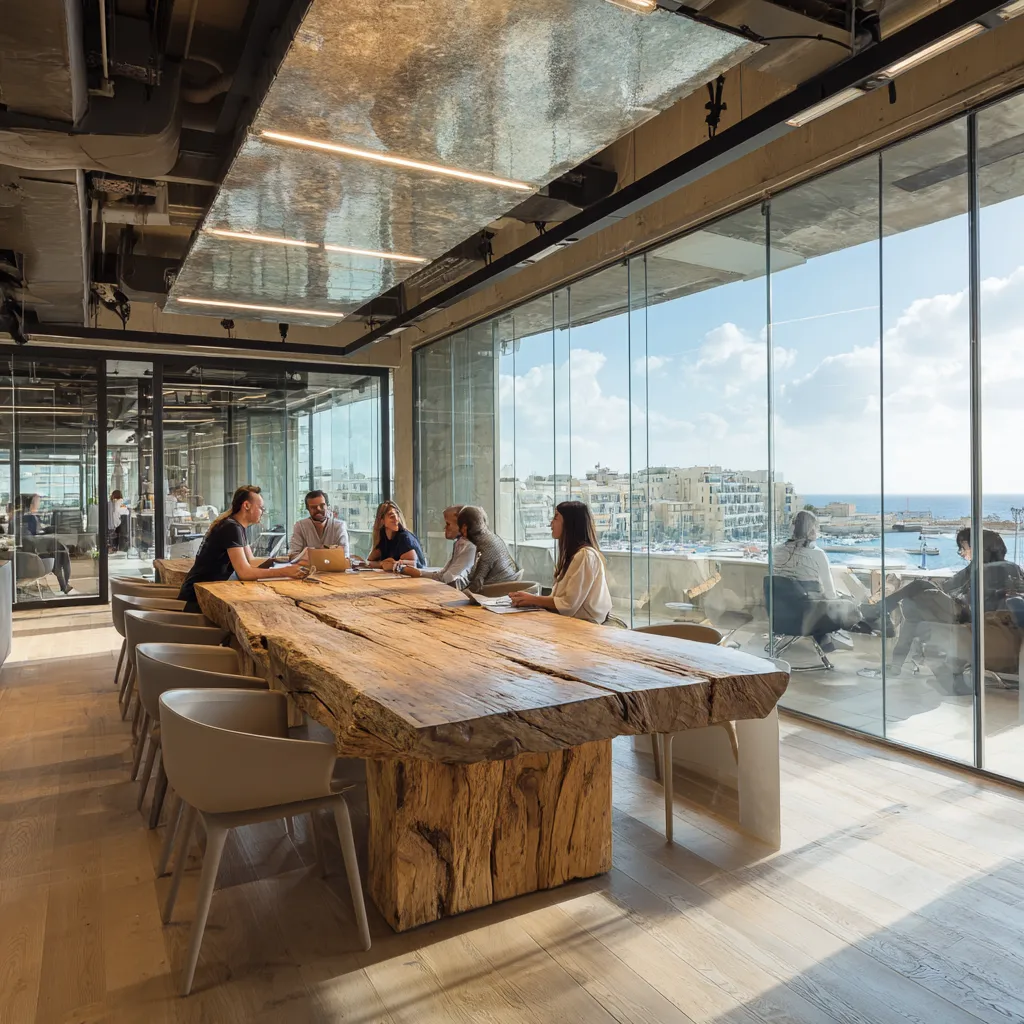
Nordic workplaces tend to be highly structured around flat hierarchies, explicit policies and strong formal benefits for work–life balance. Malta shares an appetite for flexibility, but practices are often less codified and more dependent on company size.
Expect feedback styles to differ: Nordic managers are usually direct and focused on consensus, while Maltese managers may balance directness with relationship-building. Punctuality and formal meeting protocols are often stricter in Nordic companies.
If you’re used to Nordic norms, highlight examples of collaborative decision-making, clear deliverables and any experience with formal HR policies when applying to Malta companies—especially multinationals and shared-service centres that import Nordic-style processes.
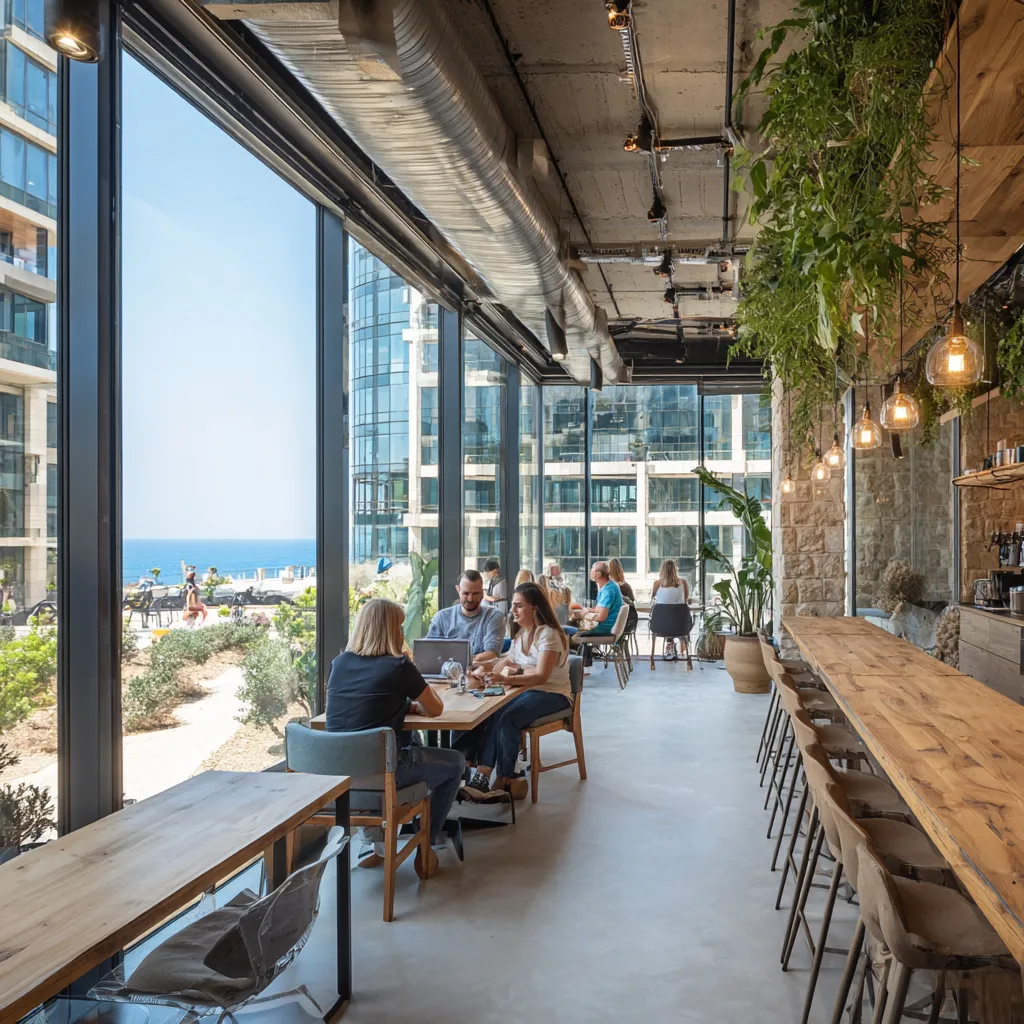
iGaming and technology companies in St Julian’s and Swatar value technical skills, compliance awareness, English fluency and the ability to work in cross-functional teams. Practical experience and certifications can make you competitive.
Finance, accounting and shared-service centres want candidates with professional qualifications, attention to detail and experience with regulatory frameworks. These roles often follow clearer corporate processes and formal recruitment stages.
Hospitality and tourism employers focus on customer service, flexibility for seasonal schedules, languages and resilience under pressure. Many jobs are concentrated in St Julian’s, Sliema and the north of the island during peak seasons.
Tailor your CV and cover letter to Malta employers: put English and Maltese language skills near the top, include local or regional experience if you have it, and list referees who can vouch for your reliability in small teams.
In interviews emphasise adaptability, willingness to work hybrid schedules and examples of teamwork. Be prepared to ask about probation periods, typical working hours and annual leave—many employers will outline these during offer conversations.
For non-EU candidates, check official immigration and work-permit sources before accepting an offer and allow time for paperwork. EU candidates should still check employer onboarding requirements. When relocating, budget for initial housing and use local networks or Facebook groups to find temporary accommodation.
Start (Days 1–30): map employers in your sector by location (St Julian's, Sliema, Valletta), update your CV and LinkedIn for the Malta market, and reach out to recruiters specialising in your field.
Build momentum (Days 31–60): attend local networking events or meetups, apply to targeted roles, prepare a short pitch that explains why you’re a fit for Malta employers and request informational interviews with local contacts.
Close and settle (Days 61–90): follow up on interviews, negotiate offers clearly and plan relocation logistics if required. Use your first weeks on the job to observe local norms, ask questions about processes and build a small internal network.
Explore more career advice and industry insights.
A practical, Malta-focused guide comparing everyday work culture with the UK and Nordic countries and what candidates should expec…

A practical, Malta-focused guide comparing everyday work culture with the UK and Nordic countries and what candidates should expec…

A practical, Malta-focused guide comparing everyday work culture with the UK and Nordic countries and what candidates should expec…
Find your next opportunity.