Do Tech Expats Need to Learn Maltese? (And Basic Phrases)
A practical Malta-focused guide for tech expats weighing whether to learn Maltese, with workplace advice and must-know phrases for…
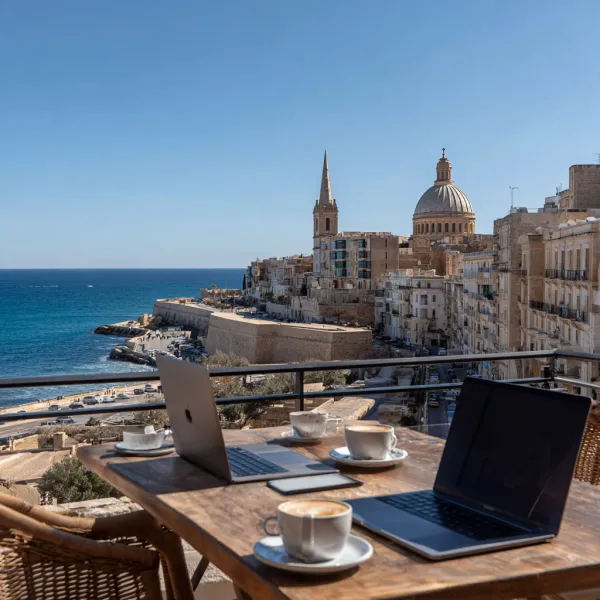
A practical Malta-focused guide for tech expats weighing whether to learn Maltese, with workplace advice and must-know phrases for life and work in Valletta, St Julian’s and beyond.
You don't need to be fluent to succeed in Malta — basic Maltese opens doors and builds relationships.
A few simple phrases show respect and help you integrate faster into teams and neighbourhoods.
Short answer: no — you can get a tech job in Malta without Maltese because English is widely used in offices, job listings and technical interviews, especially in iGaming, finance and international tech firms based around St Julian’s, Sliema and Msida.
That said, learning basic Maltese phrases can help you settle in faster, make friends, and stand out at small local companies or client-facing roles. On a small island job market like Malta’s, small gestures go a long way — they demonstrate respect for local culture and can make daily life easier.
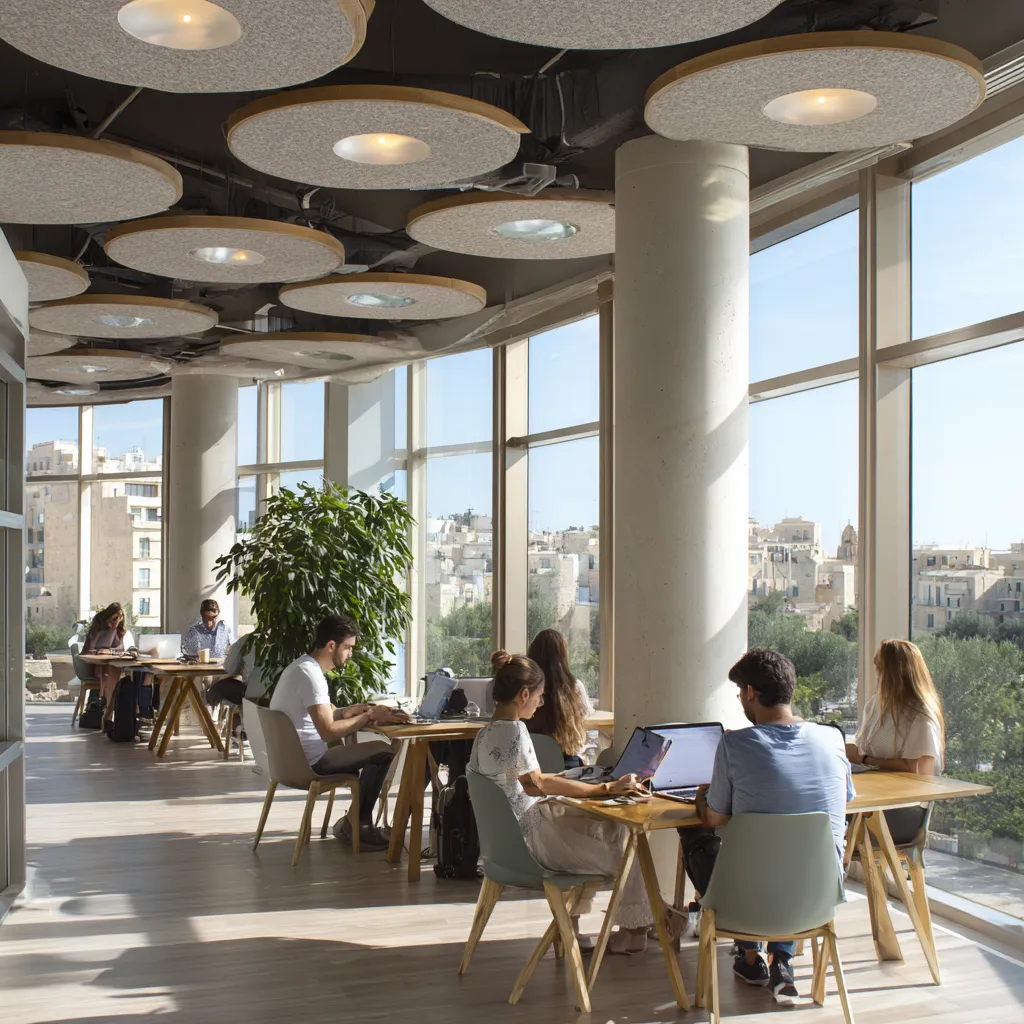
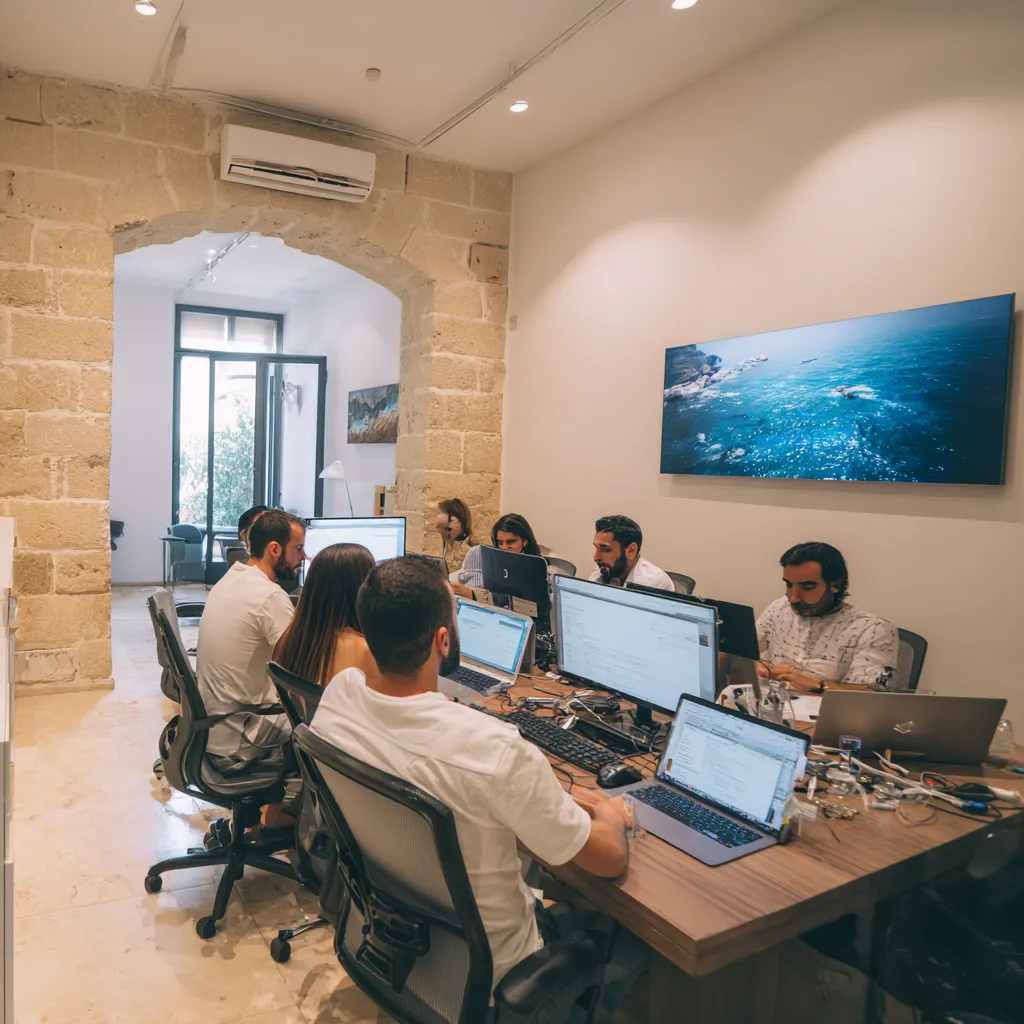
English is the working language in most international tech companies, shared-service centres and startups in business hubs such as St Julian’s, Sliema and Birkirkara. Many job ads are written in English, and multinational teams commonly operate in English-only.
Sectors that may favour Maltese include the public sector, local municipal offices, some healthcare and education roles, and smaller family-run businesses in tourism on Gozo or older Valletta firms. Hospitality roles in St Julian’s and Sliema sometimes prefer candidates who can switch between English and Maltese for local customers.
If you’re interviewing for roles that are heavily client-facing with Maltese-speaking customers or for government positions, mention language skills on your CV. For most backend engineering, DevOps or data roles, fluency in Maltese isn’t a hiring requirement but is still appreciated.
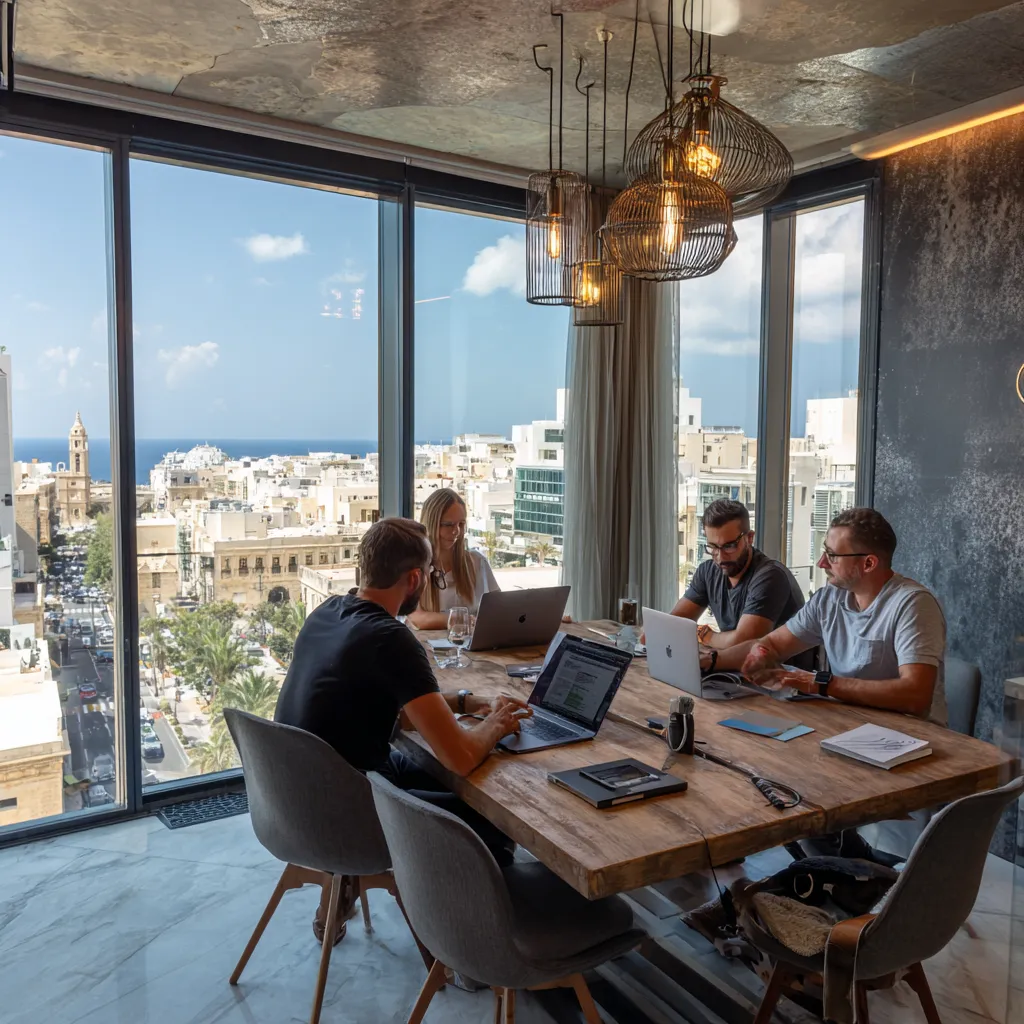
Knowing a few phrases helps with everyday life — registering with authorities, chatting with neighbours, or ordering food in quieter towns like Mosta or in Gozo. In team settings, a polite Maltese greeting can help you build rapport with colleagues who are Maltese nationals.
For career progression, bilingual colleagues sometimes get the nod for roles that involve local stakeholder engagement, HR liaison or contracts with Maltese-speaking clients. Even if your role remains technical, the social capital you get from speaking any Maltese is real — it makes you memorable in a small market.
Finally, learning Maltese is also a signal of long-term commitment to living in Malta. Hiring managers and recruiters in Malta's tight job market appreciate candidates who demonstrate cultural fit and willingness to integrate.

You don’t need perfect pronunciation — short, friendly phrases are enough to make a good impression. Use them at the start of conversations, in canteens, shops, or when meeting neighbours and colleagues.
Below are practical phrases with a simple guide on when to use them. Try them out in low-stakes situations first (the coffee queue, saying hello in the lift, thank-you notes).
Start small and practical: set a 30-day goal to learn greetings, numbers, and basic phrases you’ll use daily. Practice these at work (e.g. greet your team in Maltese a few mornings), and keep a short phrase list on your phone.
At 60 days, add situational vocabulary: public transport, administration, simple small talk about food, weather and family. Join local community language exchanges, expat meetups in St Julian’s, or informal conversation groups in Valletta — these give safe spaces to practise.
By 90 days, aim for conversational confidence in everyday situations. Combine short classroom courses or a private tutor with daily practice, listening to Maltese radio or local podcasts, and using phrases with colleagues. Remember: consistency beats intensity — 15 minutes a day is very effective.
Explore more career advice and industry insights.
A practical Malta-focused guide for tech expats weighing whether to learn Maltese, with workplace advice and must-know phrases for…
A practical Malta-focused guide for tech expats weighing whether to learn Maltese, with workplace advice and must-know phrases for…
A practical Malta-focused guide for tech expats weighing whether to learn Maltese, with workplace advice and must-know phrases for…
Find your next opportunity.