

Bringing Your Dog or Cat to Malta: Process and Vets
Practical, Malta-focused guide to bringing your dog or cat when relocating for work — from paperwork and transport to choosing a l…

Practical, Malta-focused guide to bringing your dog or cat when relocating for work — from paperwork and transport to choosing a local vet in Valletta, Sliema, Gozo and beyond.
Start your pet’s paperwork early — timing is the most common reason relocations get delayed.
If you’re moving here for work, coordinate pet plans with your employer’s relocation or HR team — it can save weeks of stress.
Malta is a compact island where your daily commute and social life are easily influenced by whether you bring a dog or cat. Many professionals moving for iGaming, finance, hospitality or shared-services roles choose to bring pets with them to keep family routines stable.
Whether you’re relocating to Valletta for a public sector role, to Sliema or St Julian’s for finance or hospitality jobs, or settling in quieter areas like Mosta or Gozo, planning ahead for your pet makes the move far less stressful.
This guide focuses on practical next steps — paperwork, transport, finding a vet and settling in — with tips geared to Malta’s neighbourhoods and the realities of an island move.

Start by speaking with your current vet: confirm microchipping, up-to-date vaccinations and any export certificates you may need. For many EU passports the pet passport route applies; non-EU moves often require an official veterinary health certificate — always confirm with official Maltese government guidance.
Key items to prepare include proof of identity (microchip), vaccination records (especially rabies where required), a recent health check and any travel-specific certificates. Timing matters: some vaccinations or treatments must be completed well in advance of travel.
Avoid relying on one-size-fits-all advice: rules can differ depending on your origin country, EU status and airline. If you’re moving for work, coordinate these steps with your employer’s relocation team if they have one.
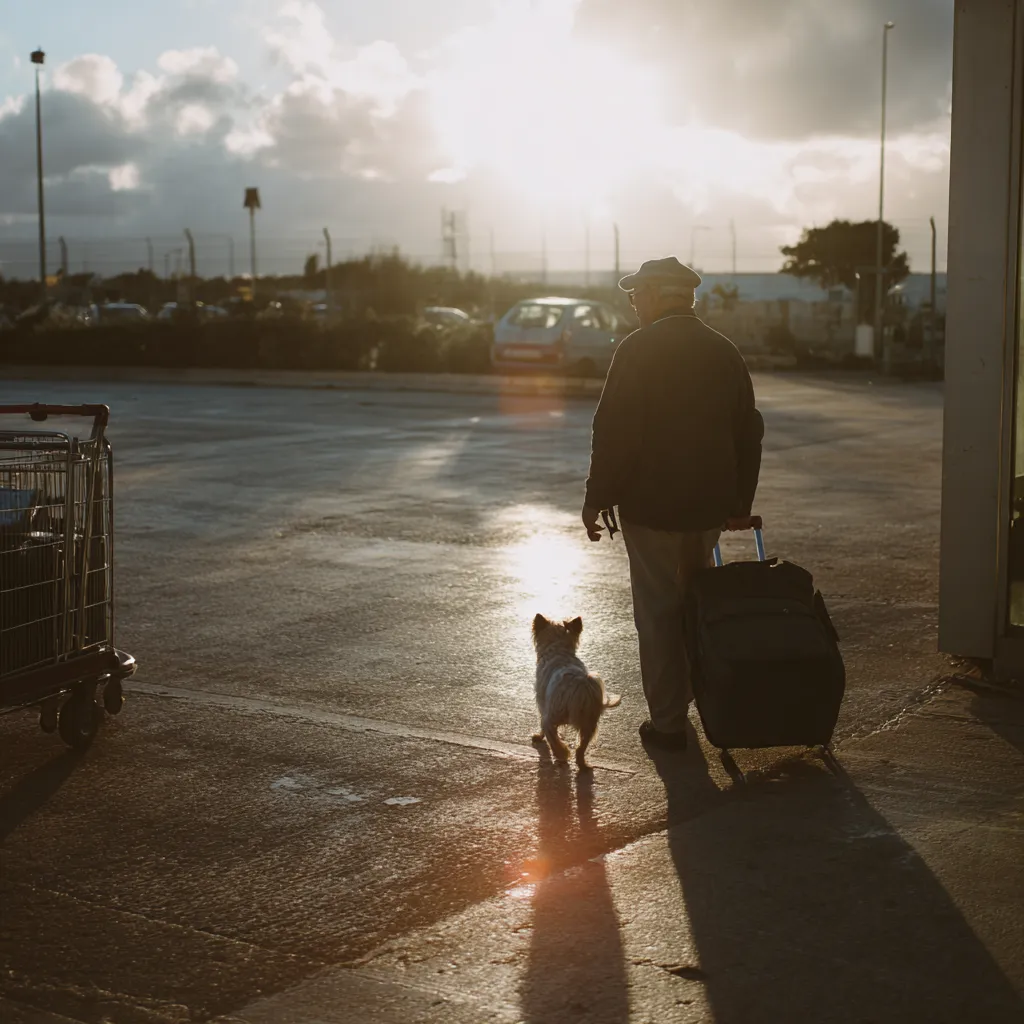
Once you arrive, register with a local veterinary practice. Malta’s main towns — Valletta, Sliema, Birkirkara, Mosta and coastal St Julian’s — all have clinics; Gozo has a smaller network of vets but good services in Victoria (Rabat). Choose a practice near your home or workplace for easier appointments when you start a job and have less flexibility.
When picking a vet, ask about emergency hours, routine care packages, boarding options and whether they handle relocation paperwork. Many vets in Malta are experienced with international relocations because of the island’s expatriate community.
If you expect to use dog walkers, day-care or grooming services, check local Facebook community groups and expat forums for recommendations — these groups are active in Msida, Sliema and St Julian’s where many young professionals live.

Malta International Airport (Luqa) is the island’s single international gateway; airlines have different pet policies for cabin and cargo travel. Small pets sometimes travel in-cabin if crates and weight limits meet airline rules, while larger dogs may travel as manifest cargo. Always check the airline’s latest rules and book early.
Use an IATA-compliant travel crate, get your pet accustomed to the crate well before travel, and schedule a pre-flight vet check. On arrival in Malta, allow extra time for immigration and animal checks — this is especially relevant for professionals arriving during a tight relocation schedule.
If you’re moving for work and your employer assists with relocation, ask whether they can coordinate with a pet relocation specialist. For DIY moves, plan ground transport from the airport to your new home; taxis and private transfers can usually accommodate pets with advance notice.
Finding pet-friendly housing in Malta requires planning. Popular job hubs like Sliema and St Julian’s have many rentals but some landlords restrict pets; inland towns such as Birkirkara or Mosta may offer more space. When interviewing for jobs or viewing rentals, ask about nearby green spaces for dog walks or quiet balconies for cats.
Build a local support network: meet other pet owners at community parks, join expat pet groups and identify a reliable pet-sitter or walker for the early weeks when you’re starting a new job and balancing induction periods, interviews or commuting.
Consider pet insurance and routine care costs when budgeting — Malta’s cost of living can vary by area. Employers in sectors like iGaming and finance sometimes offer relocation allowances; ask whether pet relocation can be part of that package during negotiations.
Explore more career advice and industry insights.
Practical, Malta-focused guide to bringing your dog or cat when relocating for work — from paperwork and transport to choosing a l…

Practical, Malta-focused guide to bringing your dog or cat when relocating for work — from paperwork and transport to choosing a l…

Practical, Malta-focused guide to bringing your dog or cat when relocating for work — from paperwork and transport to choosing a l…
Find your next opportunity.