
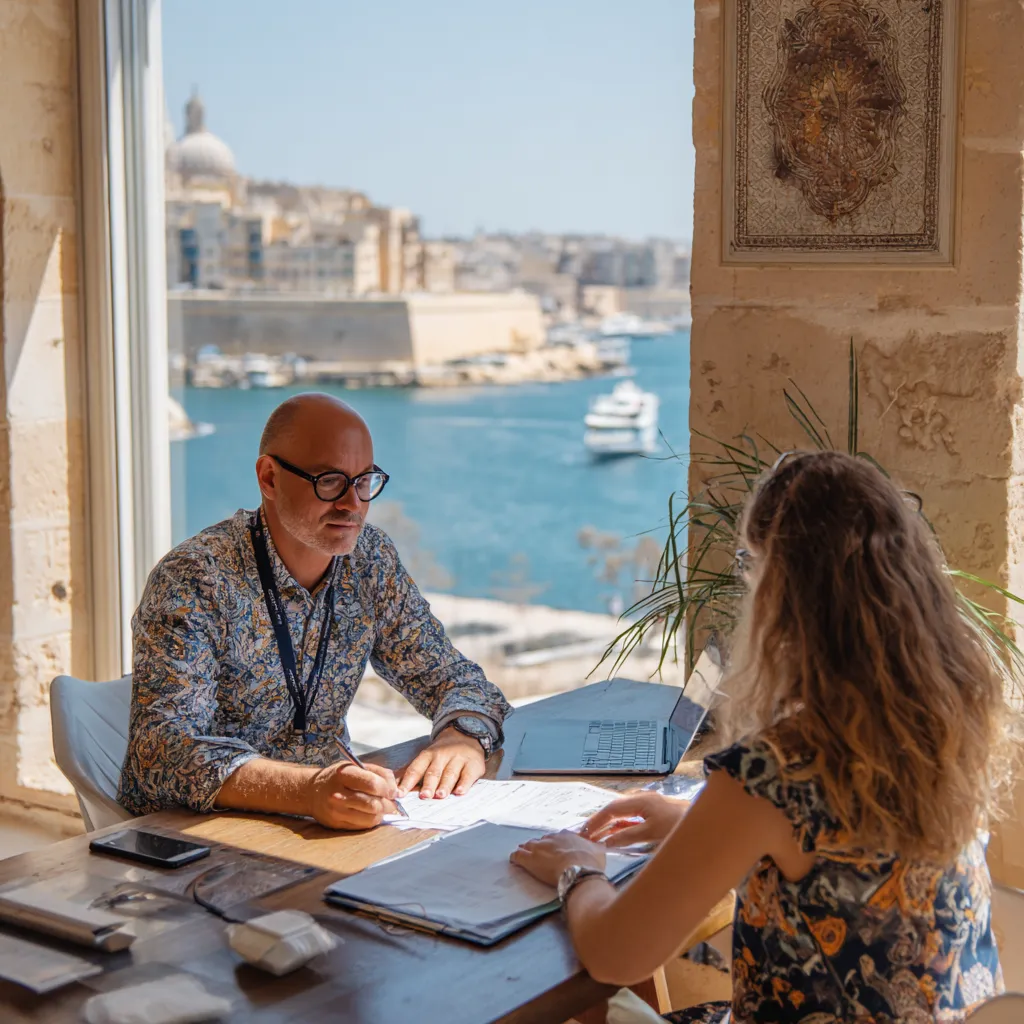
Is Remote Work Here to Stay? Hybrid Working Trends in Malta
A Singapore-rooted look at Malta's hybrid work experiment — what it means for digital nomads, how it compares with Singapore's caf…
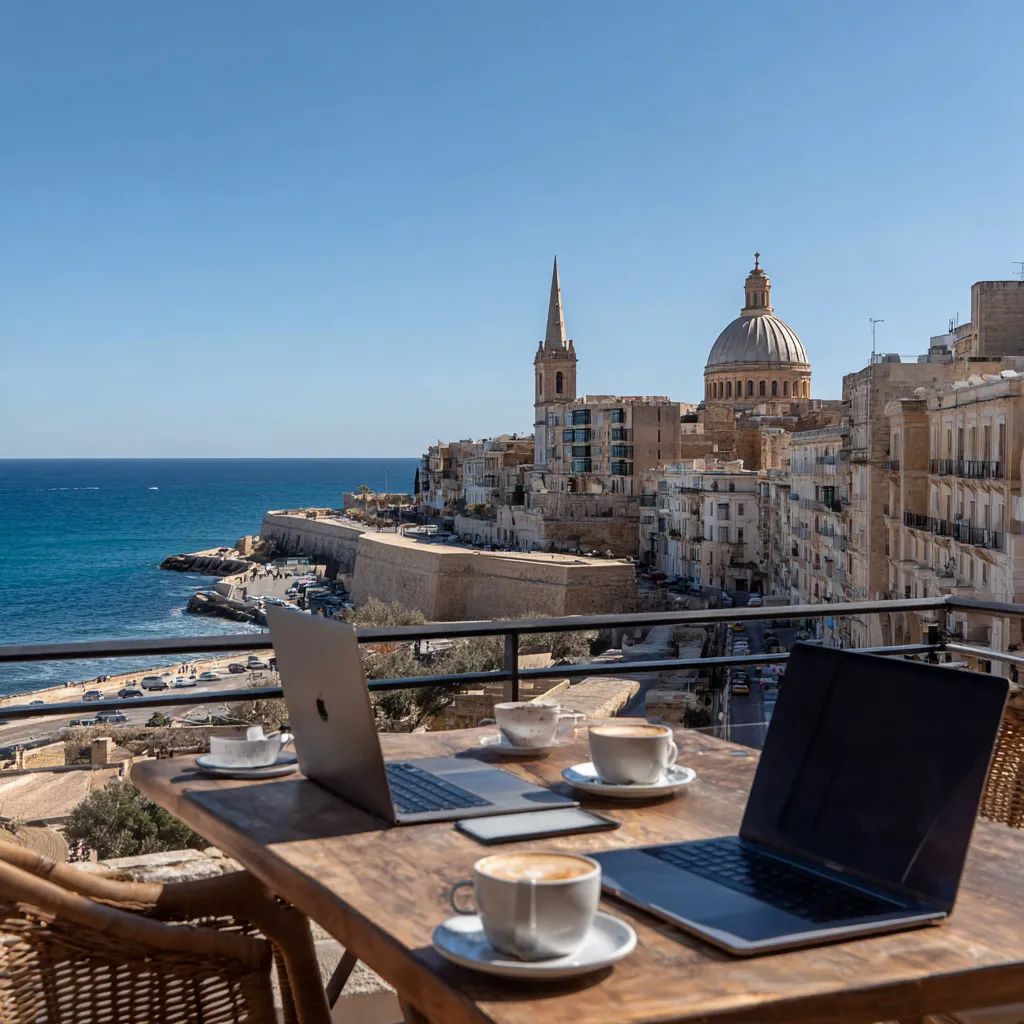
A Singapore-rooted look at Malta's hybrid work experiment — what it means for digital nomads, how it compares with Singapore's cafe-and-hawker culture, and practical tips for travellers and remote workers.
Hybrid work lets you swap an office view for a sea view — but community and reliable connectivity still make or break the experience.
In Singapore, hybrid work has quietly turned kopitiams and cafes into unofficial satellite offices — and that’s reshaped when and where we makan.
Malta — a Mediterranean island with a booming tourism industry — has recently become a testing ground for hybrid and remote work policies that attract digital nomads and longer-stay travellers. For Singapore readers used to packed CBD offices and kopi runs, Malta’s move raises interesting questions about mobility, quality of life, and how cities adapt to a less tethered workforce.
The comparison matters because both places are dense, service-driven economies where lunchtime rituals and neighbourhood anchors (cafes, hawker centres, office-lunch clusters) shape daily life. Observing Malta’s approach helps Singapore employers, remote workers and frequent travellers think about flexibility, visas, broadband reliability, and the trade-offs between sea views and commute times.
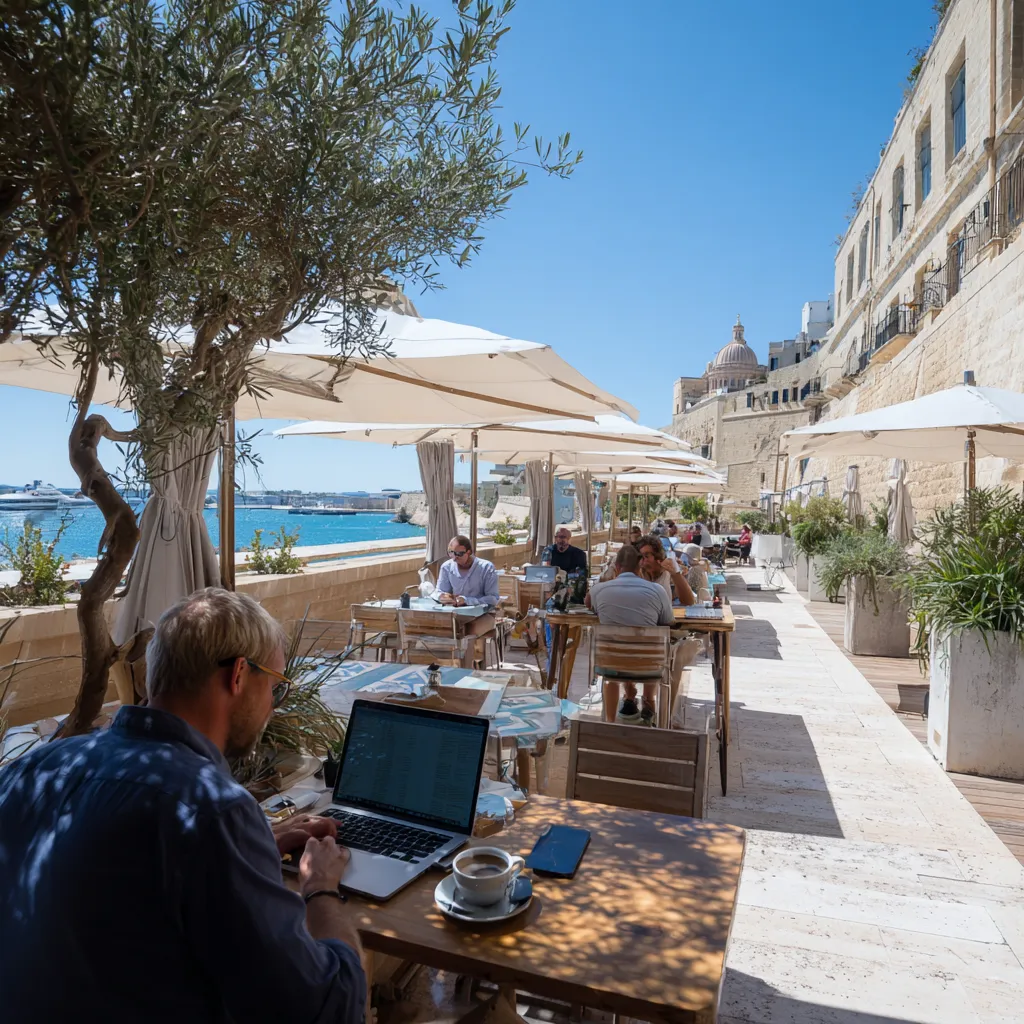
From short-term visas for remote workers to a spread of boutique coworking spaces in Valletta and Sliema, Malta’s hybrid scene blends tourism infrastructure with remote-work amenities. Expect good cafe culture, reliable mobile data in towns, but slower public transport than Singapore — so where you stay matters for your daily routine.
If you’re a Singapore-based professional considering a month in Malta, plan for timezone overlap (Central European Time) and choose accommodation near coworking hubs or cafes to avoid long cross-island trips. Bring adaptors, check local SIM/data packages, and factor in VAT and tourist service norms when budgeting.
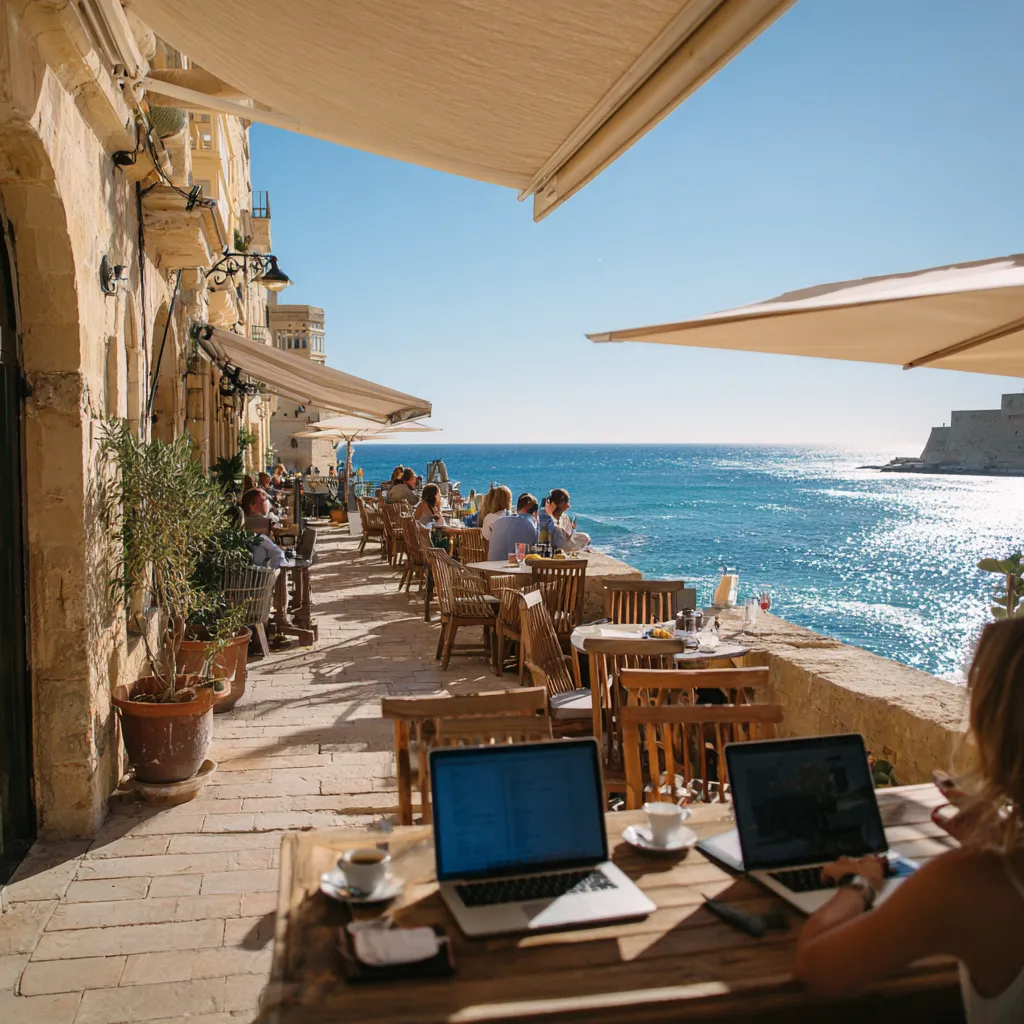
Hybrid working in Singapore has already reshaped where people eat and work. The CBD lunch crowd thins on some days, while neighbourhood kopitiams, Tiong Bahru cafes and Bugis brunch spots have become satellite offices for freelancers and teams wanting a change of scene.
For food lovers this is a boon: midday and off-peak hours are the best time to hunt for favourites like char kway teow or Hainanese chicken rice without the usual queues. Employers and HR teams are also rethinking office space, which in turn influences nearby food stalls and cafes that rely on repeat lunch trade.
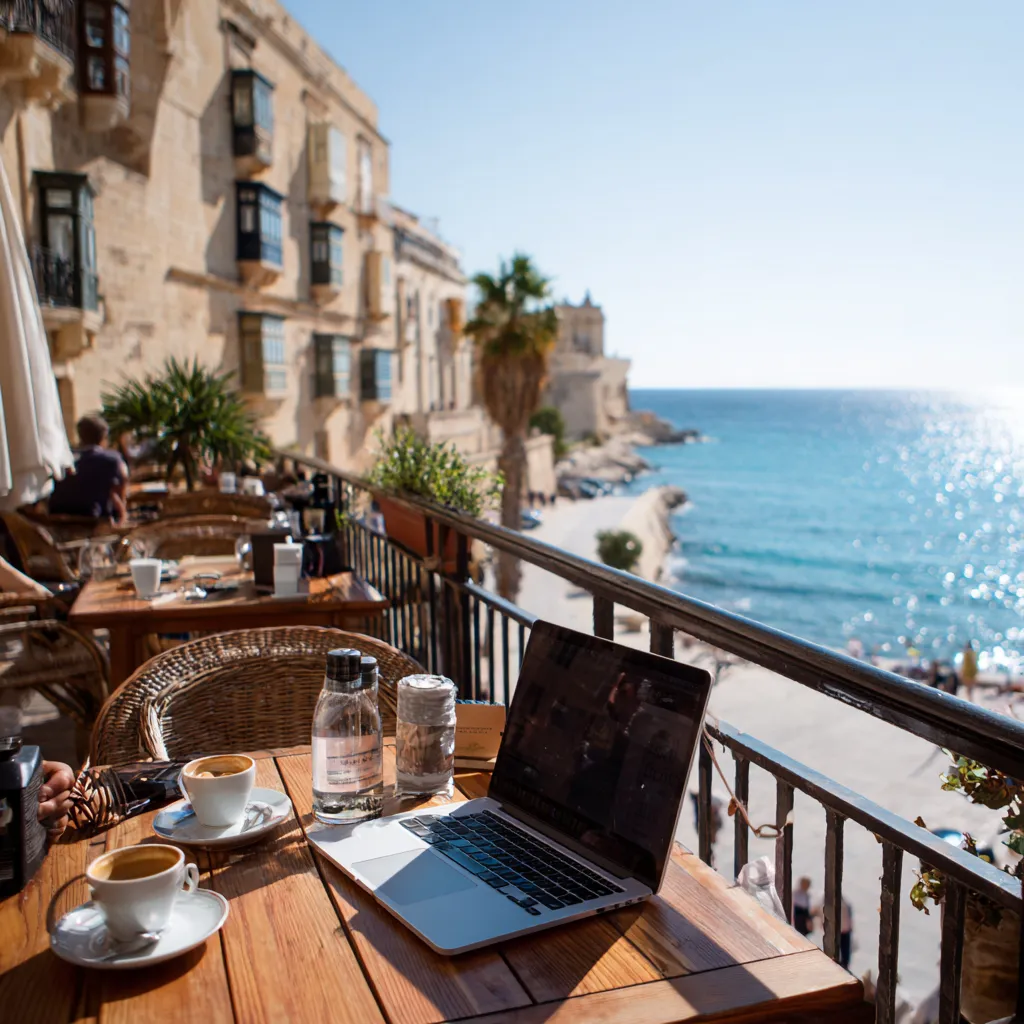
Treat a hybrid trip like a mini project: book a reliable place with good Wi‑Fi for core working hours, and schedule sightseeing and food runs for afternoons or weekends. In Malta that might mean morning work blocks then an afternoon swim; in Singapore it’s often a kopitiam breakfast followed by a few focused hours in a quiet cafe or coworking spot.
For Singaporeans who love combining work with food adventures, consider how local rituals translate abroad: find neighbourhood markets in Valletta as you would Changi or Tekka, and map nearby cafes for lunch breaks. Back in Singapore, mix up your week by splitting days between the office and neighbourhoods like Tiong Bahru or Katong to support local makan spots.
Explore more career advice and industry insights.
A Singapore-rooted look at Malta's hybrid work experiment — what it means for digital nomads, how it compares with Singapore's caf…
A Singapore-rooted look at Malta's hybrid work experiment — what it means for digital nomads, how it compares with Singapore's caf…
A Singapore-rooted look at Malta's hybrid work experiment — what it means for digital nomads, how it compares with Singapore's caf…
Find your next opportunity.