

SmartCity Malta: Is it the Tech Hub of the Mediterranean?
An in-depth look at SmartCity Malta and what it means for tech and office job seekers in Malta — sectors, skills employers want, a…

An in-depth look at SmartCity Malta and what it means for tech and office job seekers in Malta — sectors, skills employers want, and practical tips for applying or relocating.
SmartCity has helped centralise Malta’s tech talent — it’s easier to switch roles without leaving the island.
For international candidates, clear communication about right-to-work status and flexibility on start dates makes you a stronger hire.
SmartCity Malta is one of the island’s best-known technology and office developments and, for many jobseekers, represents a concentration of tech, fintech, iGaming and shared-service centre opportunities that sit alongside Malta’s traditional sectors such as tourism and financial services.
For a small island job market like Malta’s, having a purpose-built tech park helps cluster talent and employers — making it easier for professionals based in Valletta, Sliema, St Julian’s or Birkirkara to find specialised roles, network at events, and switch jobs without relocating far. Hybrid and remote work are common, but many companies still value a local presence for team days, client meetings and onboarding.
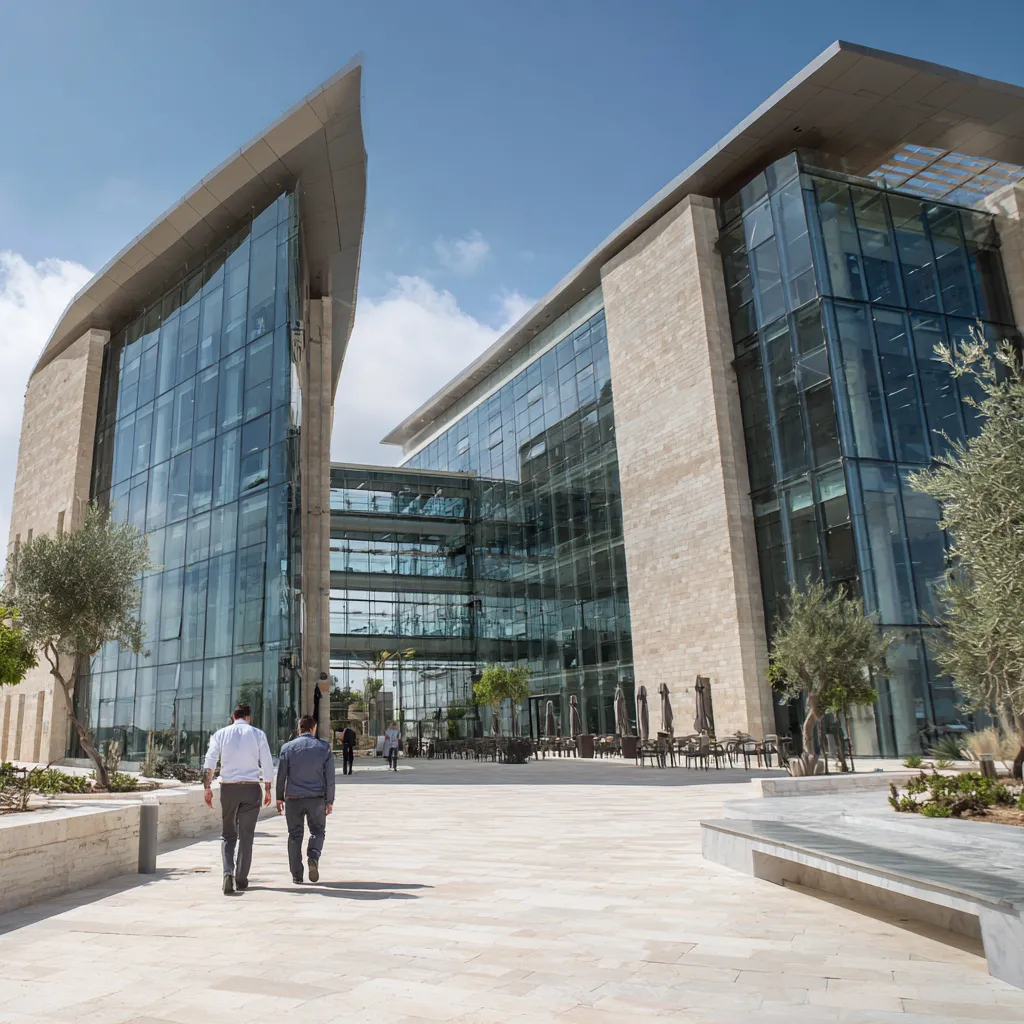
SmartCity attracts a mix of multinational corporations, regional offices and local startups. You’ll find companies hiring for product development, compliance and regulatory roles, operations teams for finance and iGaming, and support functions such as HR, marketing and sales.
Popular job types include software engineering (front-end, back-end, full-stack), data and analytics, DevOps, cyber-security, product management, business analysis, account management and customer support. Many shared-service centres located in and around Malta also recruit for finance, payroll and technical support roles.
If you’re looking for entry-level or graduate jobs, check for trainee schemes, internships or junior roles at companies that operate multi-country support centres — these often offer structured training and a fast route to specialist roles.
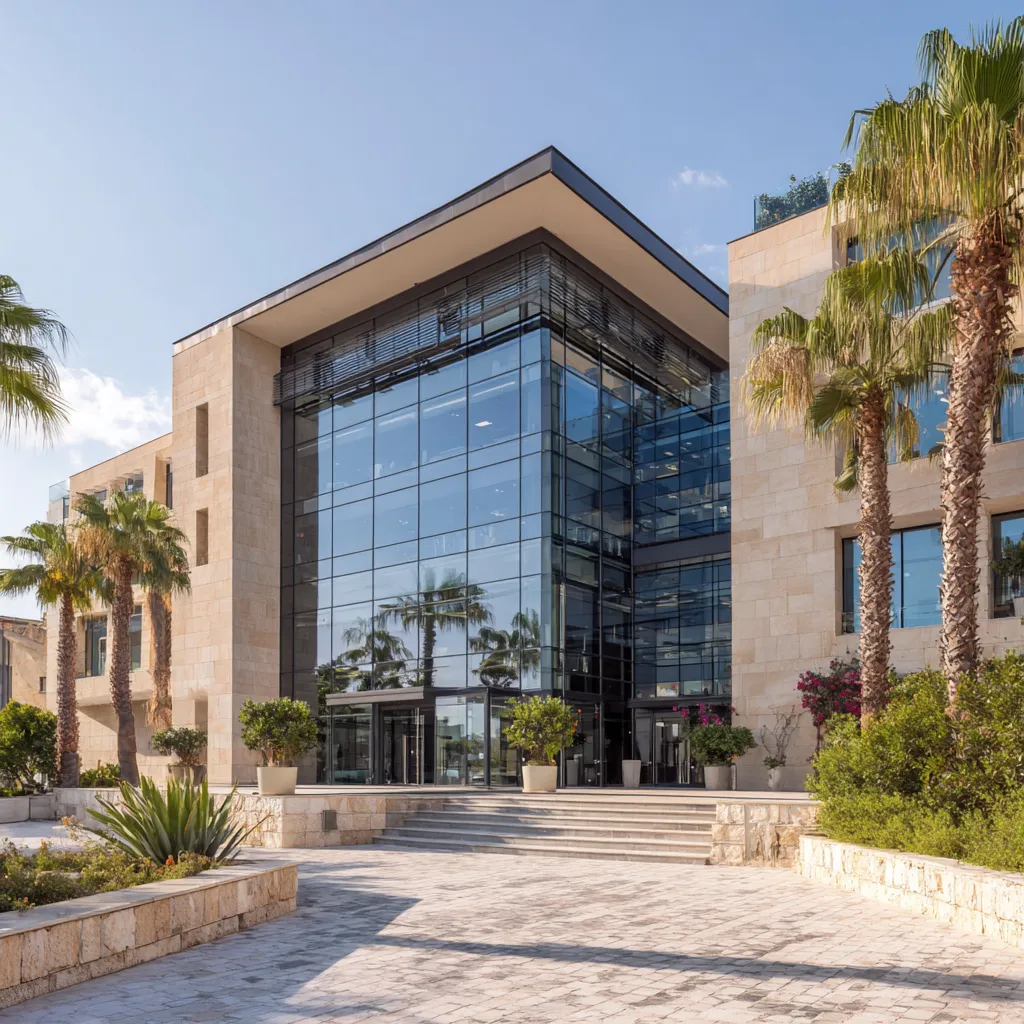
Technical competence matters — modern stacks (JavaScript frameworks, cloud platforms, SQL/NoSQL, APIs) are commonly requested — but soft skills (problem solving, clear English communication, teamwork) often tip the balance. Maltese and English are useful to note on your CV depending on the role; many companies operate in English, but Maltese can help for client-facing or local-market roles.
For regulated sectors such as finance and iGaming, employers place extra weight on compliance, attention to detail and specific certifications (e.g. security or cloud certifications) or demonstrable experience with regulatory processes. For startups, look for breadth and adaptability; for larger firms, expect well-defined role requirements and structured interview stages.

Use a mix of job boards, recruitment agencies, and company career pages. Local resources such as Jobsplus and Malta-based recruitment firms can help, but LinkedIn and the employers’ own sites often list the most up-to-date vacancies. Follow SmartCity-based companies on social media and set alerts for relevant roles.
Tailor your CV and cover letter to Malta expectations: keep CVs concise (2 pages for mid-level roles), emphasise local or regional experience, and put your right-to-work situation clearly on the application (EU vs non-EU). Prepare for behavioural interviews and technical assessments — many employers run coding tests or case studies as part of the process.
Attend local meetups, hackathons, and industry events (many happen in and around Valletta, Sliema and St Julian’s) to get noticed. Networking can lead to referrals — in Malta’s close-knit market a personal introduction often accelerates hiring.
If you’re moving to Malta, know the difference between EU and non-EU procedures: EU nationals have different registration steps than third-country nationals who usually need employer sponsorship or a work permit. Always consult official sources (Jobsplus, Identity Malta or government portals) for the latest requirements rather than relying on informal advice.
Practical steps once you accept an offer: sort temporary housing (St Julian’s and Sliema are popular but pricier), register with local authorities, open a bank account, and plan the first 30–90 days to focus on onboarding, building relationships, and learning company processes. For the job hunt, a structured 30–90 day search plan — weekly targets for applications, networking, and upskilling — keeps progress steady in a compact market like Malta’s.
Explore more career advice and industry insights.
An in-depth look at SmartCity Malta and what it means for tech and office job seekers in Malta — sectors, skills employers want, a…
An in-depth look at SmartCity Malta and what it means for tech and office job seekers in Malta — sectors, skills employers want, a…

An in-depth look at SmartCity Malta and what it means for tech and office job seekers in Malta — sectors, skills employers want, a…
Find your next opportunity.