
SiGMA & AIBC: The Biggest Tech Conferences You Must Attend
A practical Malta-focused guide to attending SiGMA and AIBC — how to network, find tech and iGaming roles, and turn conference mee…
A practical Malta-focused guide to attending SiGMA and AIBC — how to network, find tech and iGaming roles, and turn conference meetings into job opportunities in Valletta, St Julian’s and beyond.
A well-planned follow-up after SiGMA or AIBC often matters more than a dozen casual chats on the exhibition floor.
Show your language skills and regulatory awareness — Maltese employers hire for fit as much as for technical skill.
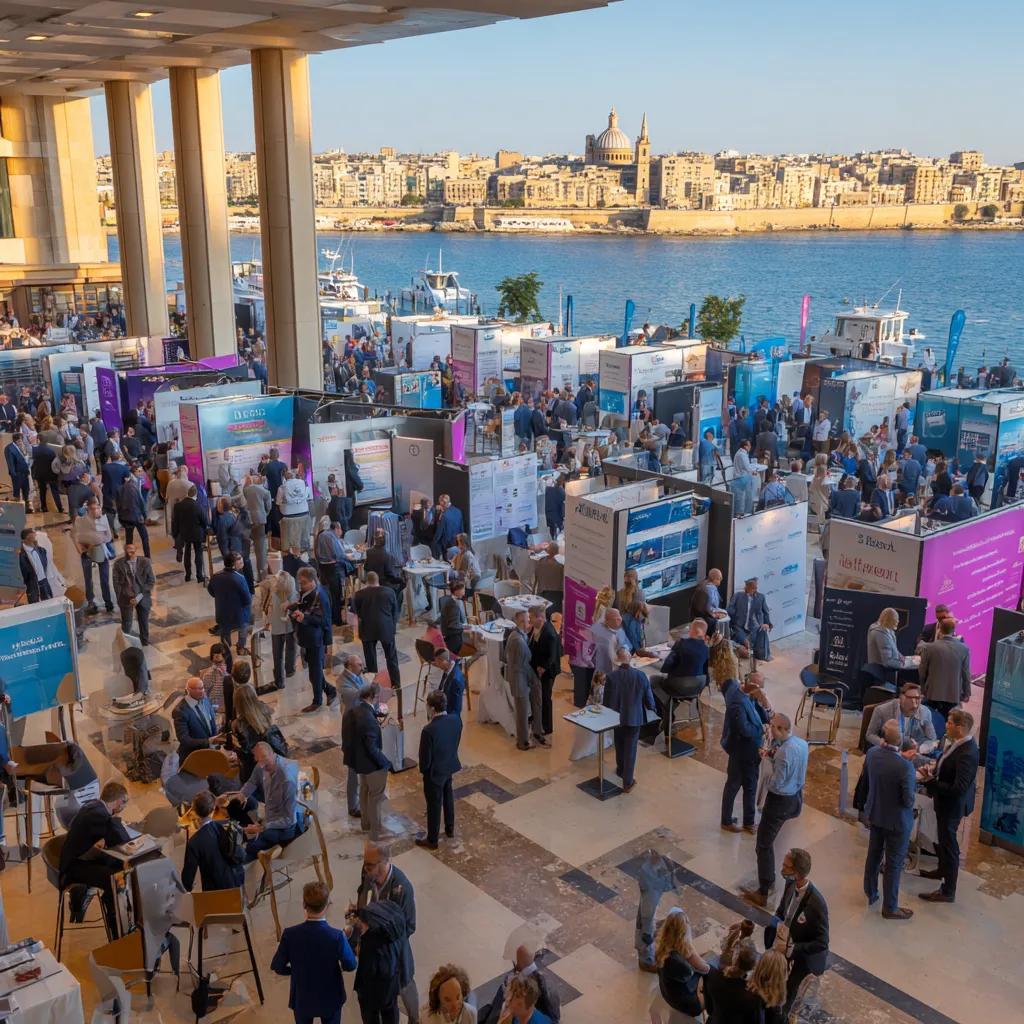
SiGMA and AIBC have grown into major fixtures on Malta’s tech and iGaming calendar — events where employers, founders and recruiters from Valletta to St Julian’s meet to hire, scout partnerships and showcase projects.
For anyone hunting Malta jobs in iGaming, blockchain, fintech or AI, attendance can fast-track introductions to local shared-service centres, startups, and international companies with Malta hubs.
Even if you’re based outside Malta, these conferences are useful for understanding local salary benchmarks, employer benefits, hybrid/remote policies, and the kinds of skills Maltese employers prize (multilingualism, regulatory knowledge, and product or compliance experience).
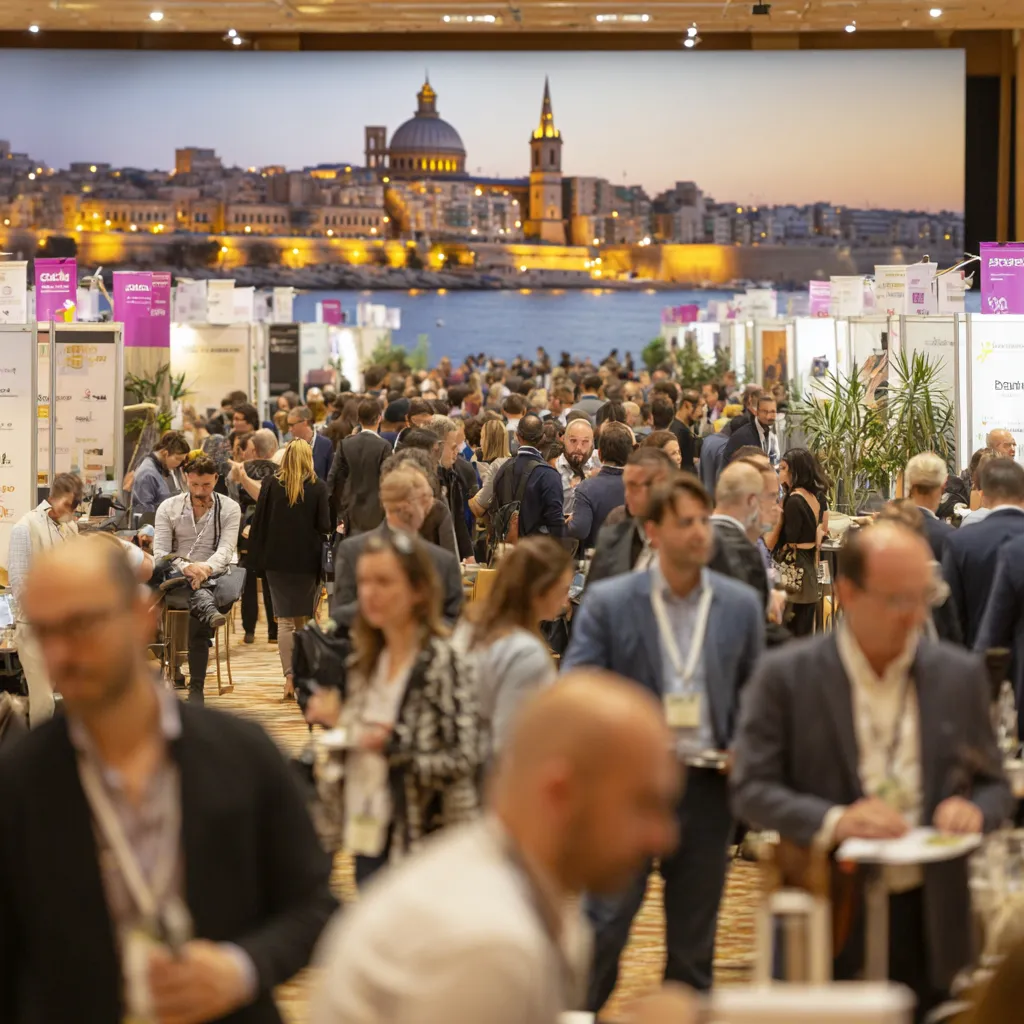
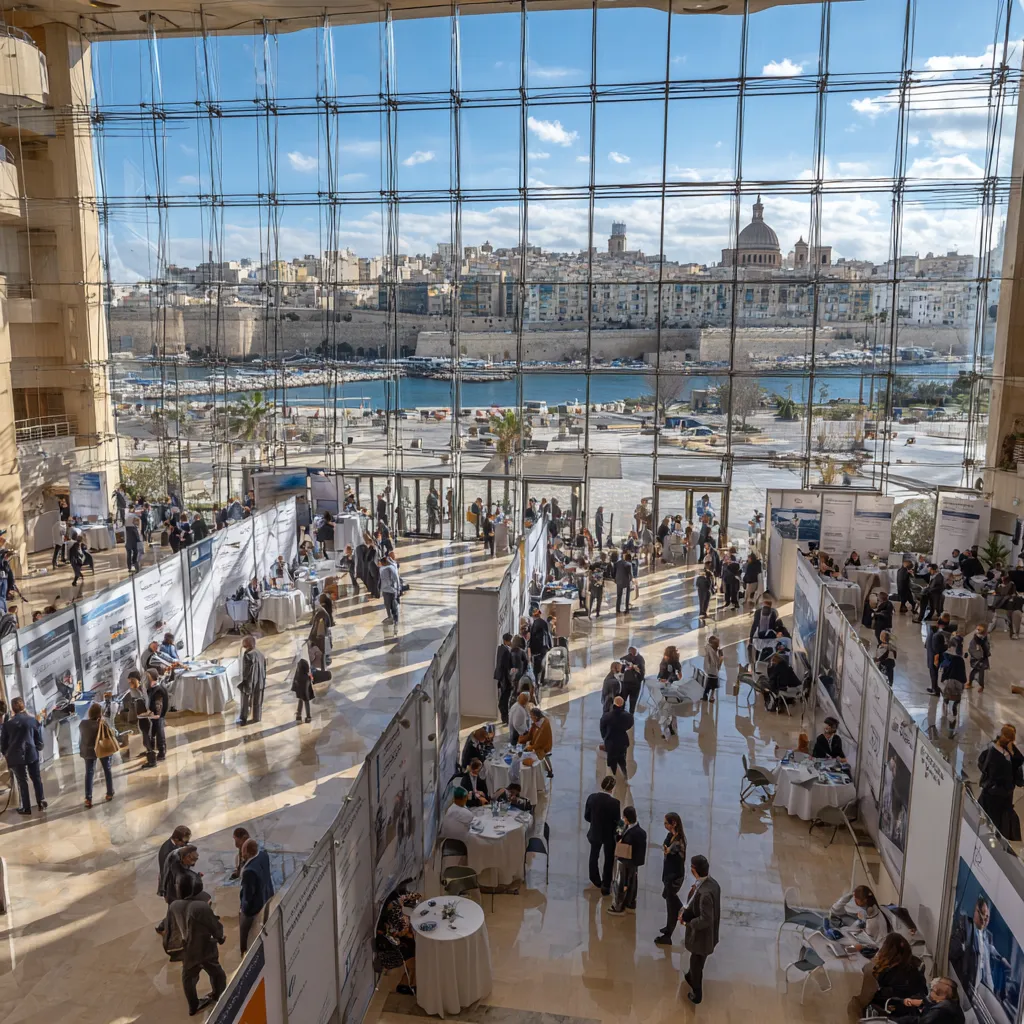
Expect a mix of exhibition stands, pitch stages and themed halls: recruitment booths, startup zones and specialist tracks (blockchain, AI, payments). Recruiters often attend to meet mid-senior level engineers, product managers, compliance officers and salespeople.
Many roles discussed are based in Malta’s main business hubs — Sliema and Ta’ Xbiex for fintech and shared services, St Julian’s for iGaming and hospitality-adjacent roles, and Msida/Birkirkara for offices and education-related employers.
Don’t overlook non-technical roles: marketing, customer support (multilingual), HR and legal/compliance positions are frequently recruited on-site or via follow-up interviews.
Tailor your CV for Malta employers: keep it concise (two pages), highlight EU work eligibility or permit status, and list language skills (English and Maltese if applicable). For iGaming and fintech roles, emphasise compliance, AML or product experience where relevant.
Bring 10–20 printed one-page CVs for on-the-spot handouts, but also prepare a short 30–45 second elevator pitch that states your role, key skills, and what you’re looking for in Malta (full-time, hybrid, remote or contract).
Pack a professional business card or a digital contact method (LinkedIn QR, vCard), a notebook for names and follow-ups, and a folder with any relevant portfolio links or certifications.
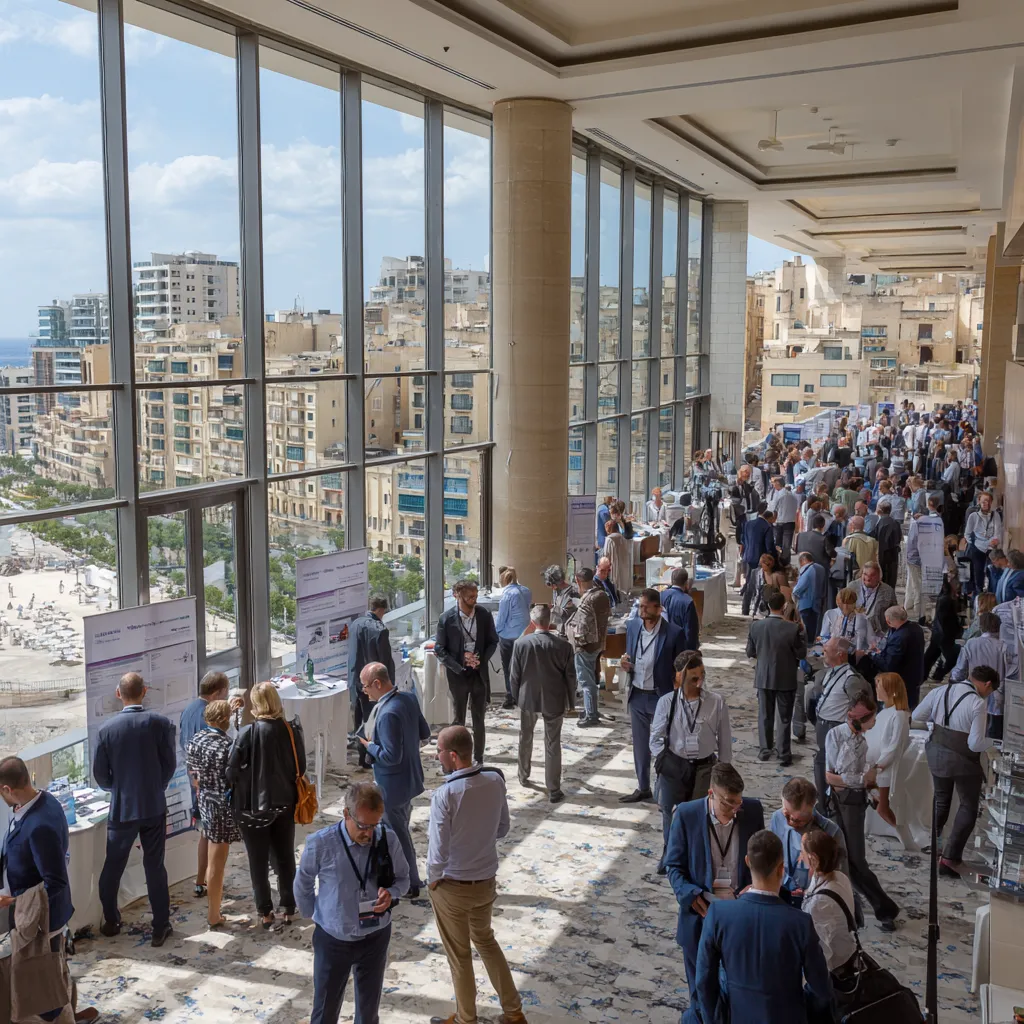
Quality beats quantity: focus conversations on 5–10 target companies. Ask about their hiring timelines, team structure, and whether they’re open to EU vs non‑EU candidates — this saves time when planning relocation or visa steps.
After the event, follow up within 48–72 hours with a personalised message that references your conversation, attaches your CV, and suggests next steps (a call or local interview). Recruiters in Malta appreciate clear availability windows — include timezone-friendly meeting times.
Use local meetup groups and LinkedIn to convert casual contacts into informational interviews. Many Malta-based hiring managers will schedule short remote calls before inviting candidates to on-site interviews in St Julian’s or Sliema.
Turn event momentum into a structured job search: week 1–2 post-conference, follow up and book calls; weeks 3–6, complete technical tests or interviews; months 2–3, negotiate offers and clarify relocation or work-permit logistics.
If you’re relocating to Malta, research cost of living across areas (St Julian’s and Sliema are more expensive; Mosta and Birkirkara can be more affordable), and ask prospective employers about relocation packages, probation terms and hybrid working policies.
Remember not to rely solely on conferences — continue applying through local job boards, recruitment agencies, and LinkedIn, and attend smaller local meetups or workshops in Valletta and Msida to keep contacts warm.
Explore more career advice and industry insights.
A practical Malta-focused guide to attending SiGMA and AIBC — how to network, find tech and iGaming roles, and turn conference mee…
A practical Malta-focused guide to attending SiGMA and AIBC — how to network, find tech and iGaming roles, and turn conference mee…

A practical Malta-focused guide to attending SiGMA and AIBC — how to network, find tech and iGaming roles, and turn conference mee…
Find your next opportunity.