
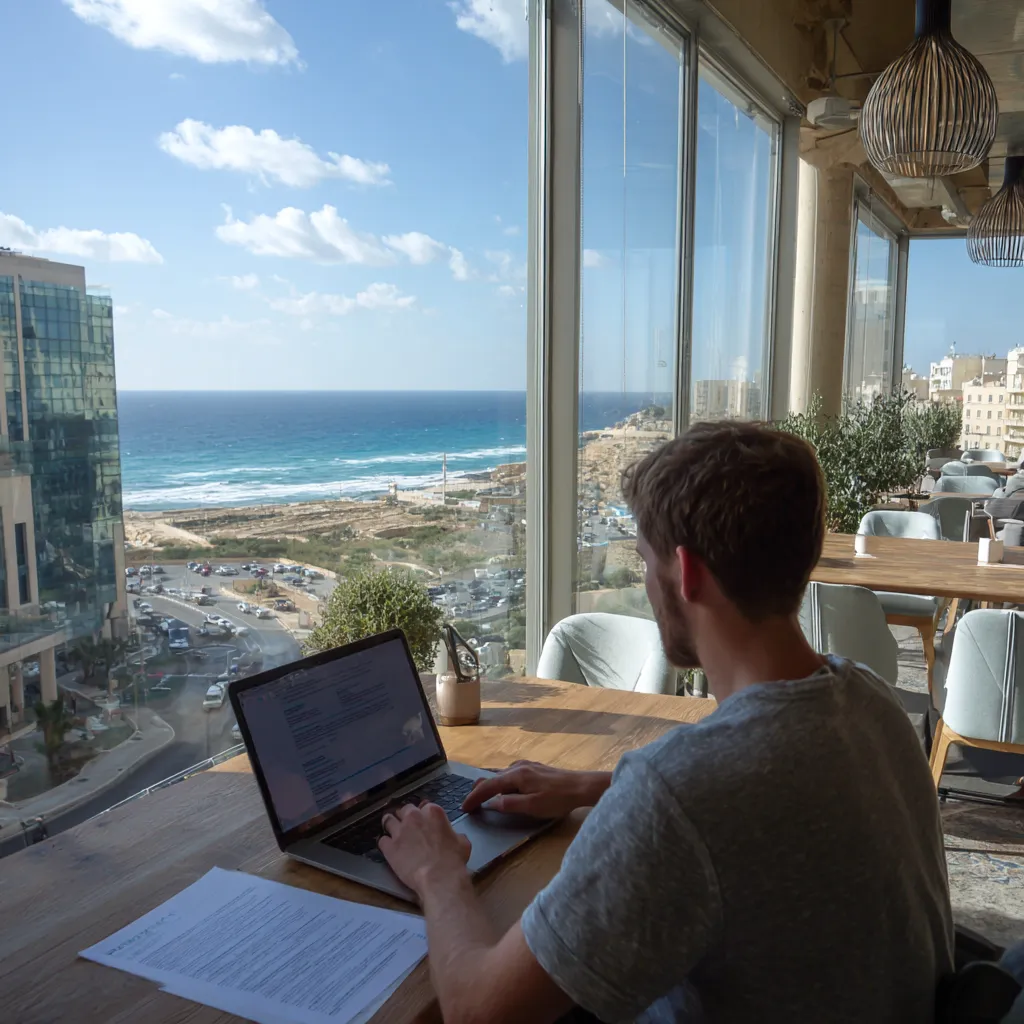
The Growing Vegan Scene: Best Plant-Based Eats in Malta
Explore Malta’s growing plant-based dining scene and the job opportunities it creates across kitchens, cafés and hospitality busin…
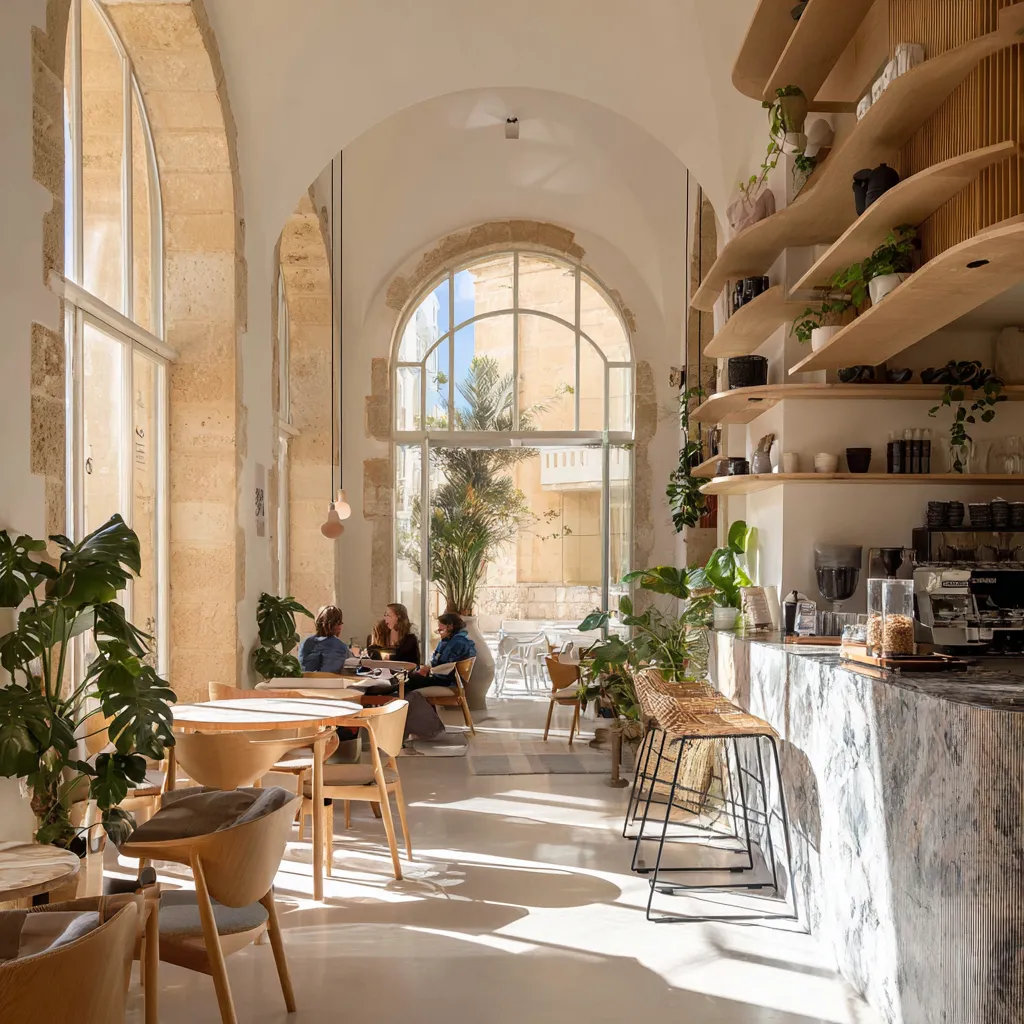
Explore Malta’s growing plant-based dining scene and the job opportunities it creates across kitchens, cafés and hospitality businesses on the islands.
The rise of plant-based venues isn’t just good for diners — it’s creating real, varied jobs across kitchens, delivery and hospitality operations in Malta.
Local experience and a few creative vegan recipes can outweigh formal qualifications when small cafés hire.
Malta’s plant-based dining market has moved from niche to noticeable in recent years, driven by tourism demand, local health trends and an uptick in innovative small food businesses. For jobseekers this matters: vegetarian and vegan venues create year-round roles beyond the summer season, from kitchen staff to operations and marketing.
Employers in Valletta, Sliema, St Julian’s and Birkirkara are expanding menus to include plant-based options, which means more openings for cooks with plant-focused experience, baristas, FOH staff and managers who understand menu planning and dietary needs. The growth also opens opportunities in adjacent areas like food delivery, catering for corporate functions in MSIDA and hospitality events in Gozo.
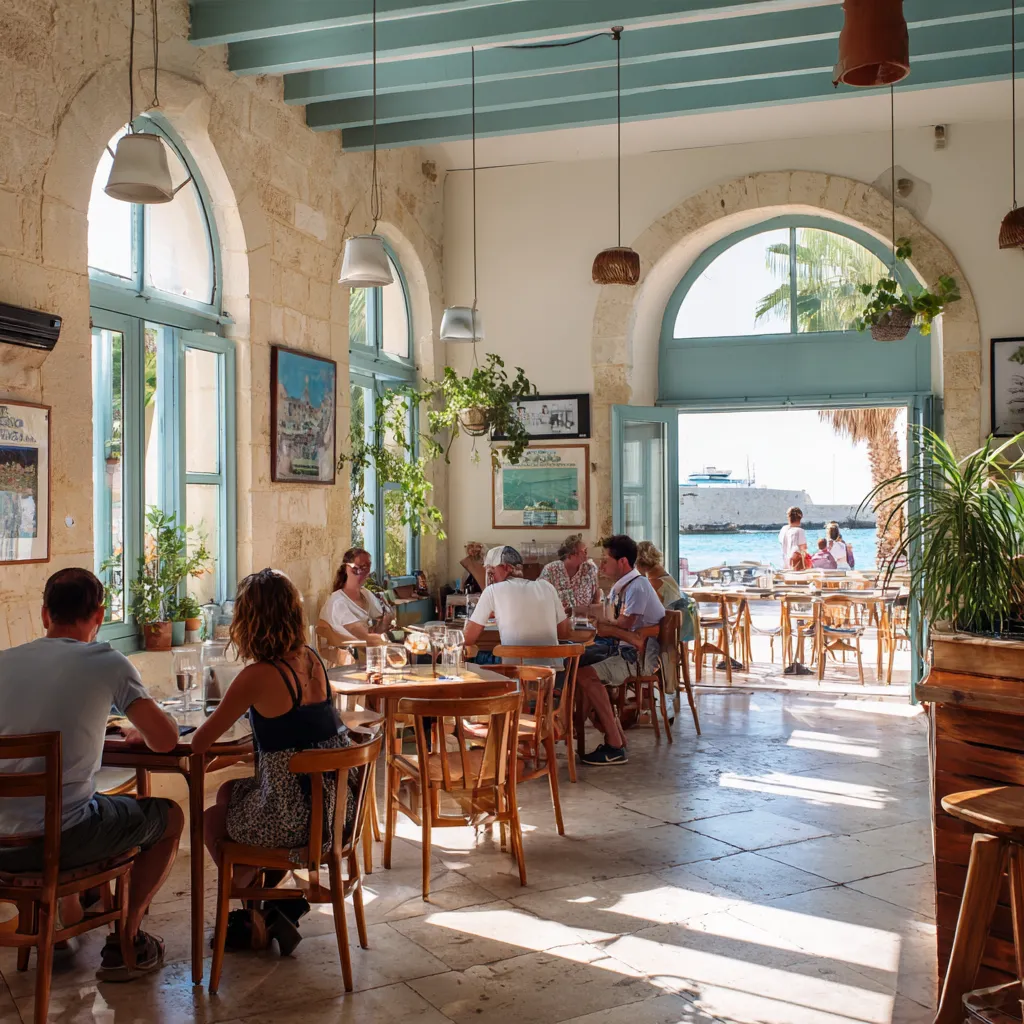
Look beyond obvious tourist strips: while St Julian’s and Sliema host many cafés and casual dining spots popular with expats and visitors, smaller hubs such as Valletta, Msida and Mosta have creative eateries and shared kitchens where startups and caterers base themselves.
Seasonal and event catering tends to cluster around the tourism and events calendar — think conference catering near the main hotels, wedding and festival catering in Gozo, and corporate delivery to business parks. If you want stability, target hotels and larger restaurants that offer a variety of menus year round.
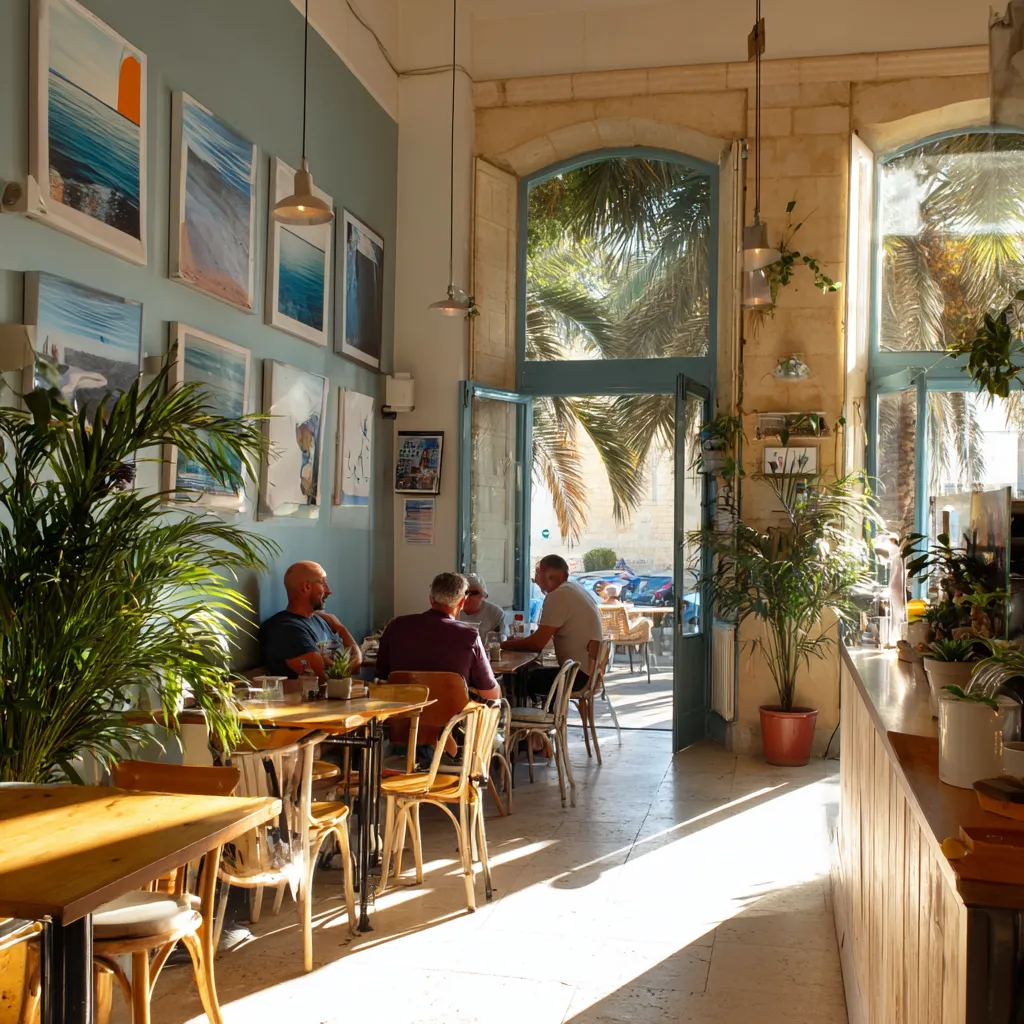
Restaurants and cafés hiring in the plant-based niche look for a mix of kitchen skills and food knowledge: knife skills, mise en place, comfort with alternative proteins and familiarity with dietary requirements (gluten-free, nut-free). Employers also value creativity — turning vegetables into star dishes is part craft, part recipe development.
Beyond chefs and cooks, roles include pastry chefs specialising in vegan desserts, FOH staff who can advise on menu ingredients, buyers who can source local produce, and small-business skills such as social media, ordering and basic food cost management.
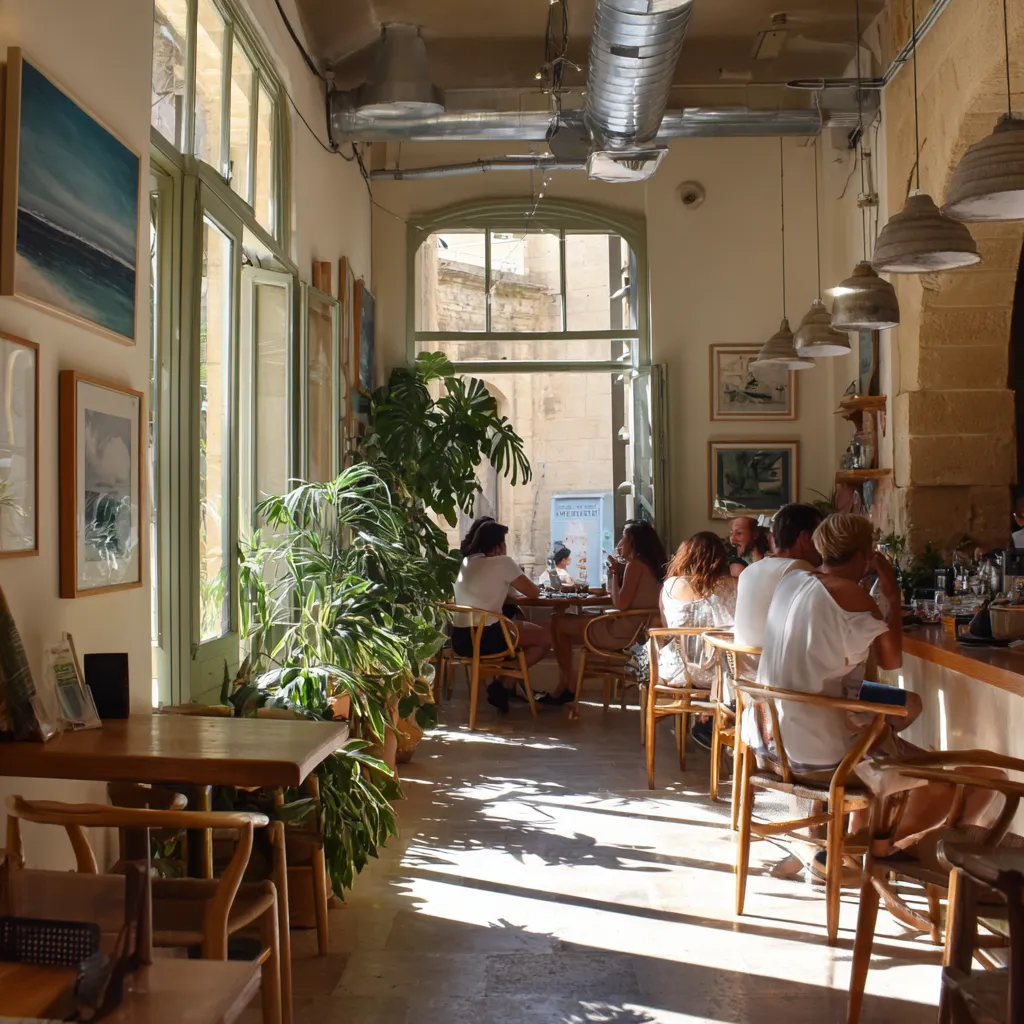
Start with a tailored CV and short cover note that highlights plant-based experience, menu development or event catering you’ve done. For kitchen roles, include example dishes or a link to a portfolio; for customer-facing roles, note language skills and customer service experience.
Use a mix of channels: hospitality recruiters, local Facebook groups, LinkedIn, Maltese job boards and, importantly, in-person visits to cafés and markets. Seasonal venues often post short-notice openings, so be ready to follow up quickly. Networking at community food events and volunteering at pop-ups can lead to paid positions.
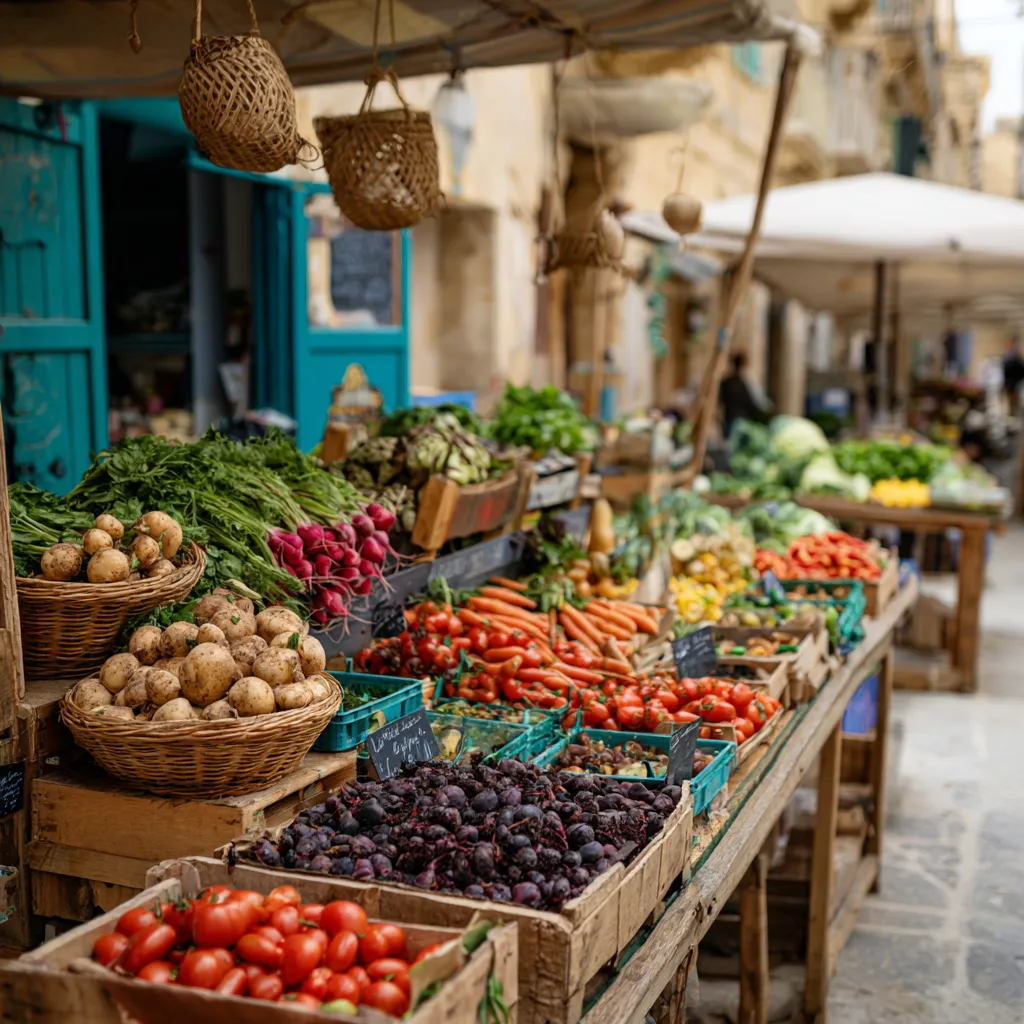
If you’re moving to Malta to work in the plant-based sector, check whether you need a work permit — EU citizens have simplified access; non-EU candidates must check official guidance and speak to prospective employers or a licensed agent. Keep immigration details high-level and verify on official pages such as Identity Malta.
Plan your first three months around learning the local market: meet suppliers, attend community food meetups and target a combination of temp work and interviews to build local references quickly.
Explore more career advice and industry insights.
Explore Malta’s growing plant-based dining scene and the job opportunities it creates across kitchens, cafés and hospitality busin…
Explore Malta’s growing plant-based dining scene and the job opportunities it creates across kitchens, cafés and hospitality busin…

Explore Malta’s growing plant-based dining scene and the job opportunities it creates across kitchens, cafés and hospitality busin…
Find your next opportunity.